Beyond the Animals: How Calgary Zoo's Gardens Support Wildlife Conservation

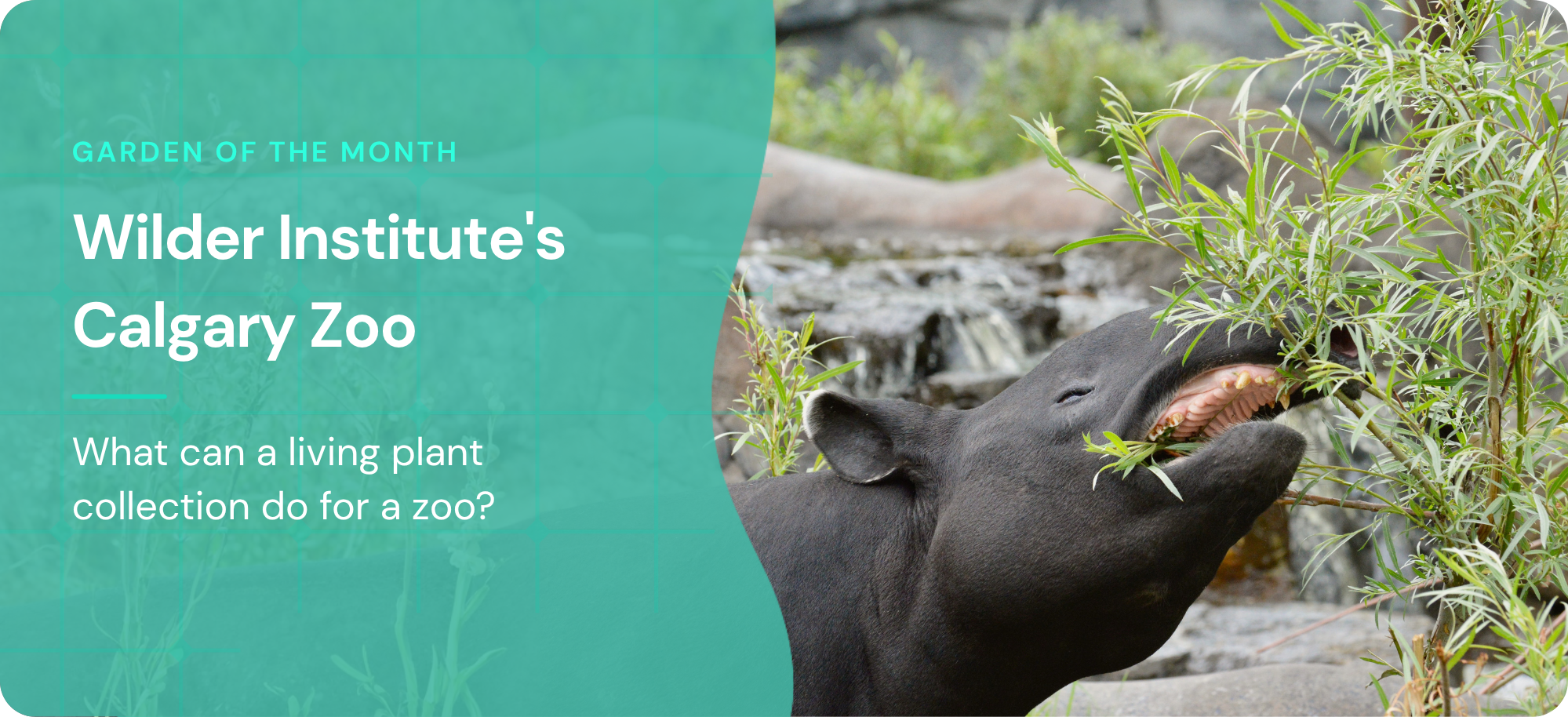
Founded: Calgary Zoo founded in 1929; Wilder Institute launched in 2021
Location: Calgary, Alberta, Canada
Size: 125-acre zoo site, including the six-acre Dorothy Harvie Gardens
Access: Open year-round, except Christmas Day
Collection: Seasonal displays, native and pollinator plantings, tropical conservatory collections, and plants grown for animal browse and enrichment
Collection type: Zoo-based living plant collection combining display horticulture, conservation plantings, tropical collections, and plantings supporting animal wellbeing
More Than Beautiful Displays
At Wilder Institute’s Calgary Zoo, our botanical gardens are much more than beautiful displays. They are living collections that connect people with plants, wildlife, conservation, and the natural world. Every season brings new opportunities and challenges as we steward a diverse collection of plants in one of Canada’s most demanding growing environments.
As a four-season garden, we strive to balance beauty, resilience, biodiversity, and conservation value in every planting decision we make. Our gardens function as living museums, showcasing the remarkable diversity of the plant world while creating meaningful opportunities for people to connect with nature. Every plant has a purpose, whether it supports pollinators, contributes to a conservation initiative, provides habitat for wildlife, supports animal wellbeing, or simply inspires wonder.

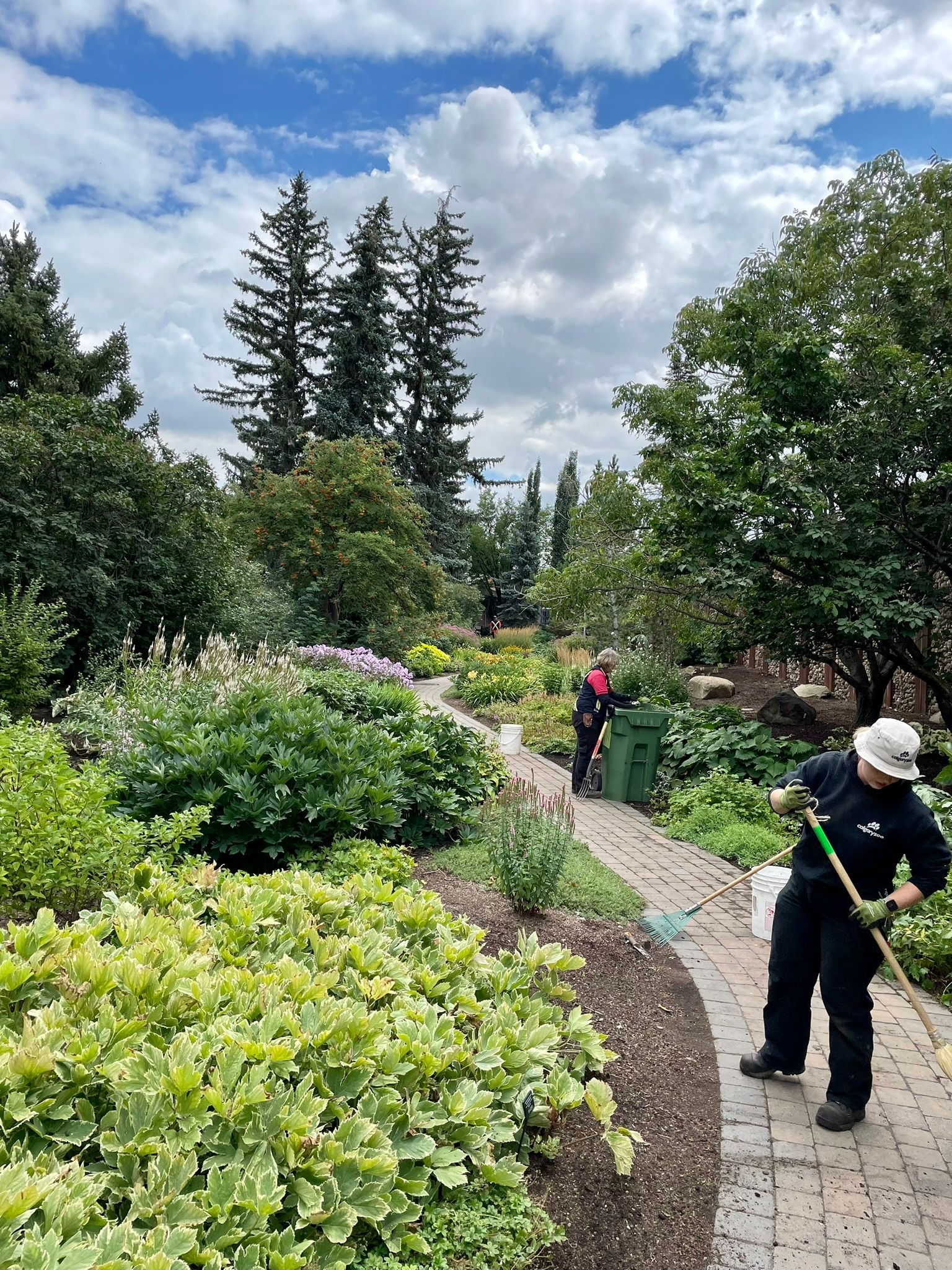
What many visitors do not see is the tremendous amount of work that happens behind the scenes. Long before the first blooms appear, our team is planning seasonal displays, propagating plants, growing material in our greenhouses, monitoring plant health, and preparing collections for winter. Throughout the growing season, displays are continually refreshed and reimagined, creating an experience that changes from week to week and season to season.
Gardening at the Extremes
Gardening in Calgary is not for the faint of heart. Our plants must withstand intense environmental swings, from hot summer days to unexpectedly cold summer nights. Winters regularly bring temperatures below −30°C, accompanied by drying winds that can be as damaging as the cold itself. Chinook events add another layer of complexity, bringing sudden warmth that can interrupt winter dormancy before temperatures drop again.
Success here depends on selecting resilient plants, understanding microclimates, and continuously adapting our horticultural practices. Our climate challenges every assumption about what can be grown and how landscapes should be managed. Many visitors are surprised by the diversity and quality of plants that thrive in our gardens. What they see is the result of years of testing, learning, and refinement by our horticulture team.

Working in such a demanding environment has made us exceptional problem solvers. The realities of our climate have shaped a team that is resilient, innovative, and deeply knowledgeable about plant performance under stress. While our conditions can be challenging, they are also a source of pride. If we can grow it in Calgary, we know we have done something right.
Plants at the Heart of Conservation
What makes horticulture at Wilder Institute’s Calgary Zoo unique is the way our work intersects with animal care, conservation, and biodiversity. Every planting decision considers not only aesthetics and plant performance, but also how landscapes can support wildlife, contribute to ecosystem health, and advance the organization’s broader conservation mission.
Plants are the foundation of every terrestrial ecosystem, yet plant conservation often receives far less attention than wildlife conservation. Through our gardens, living collections, and conservation initiatives, we help demonstrate that protecting wildlife begins with protecting habitat and the plant communities that sustain it.
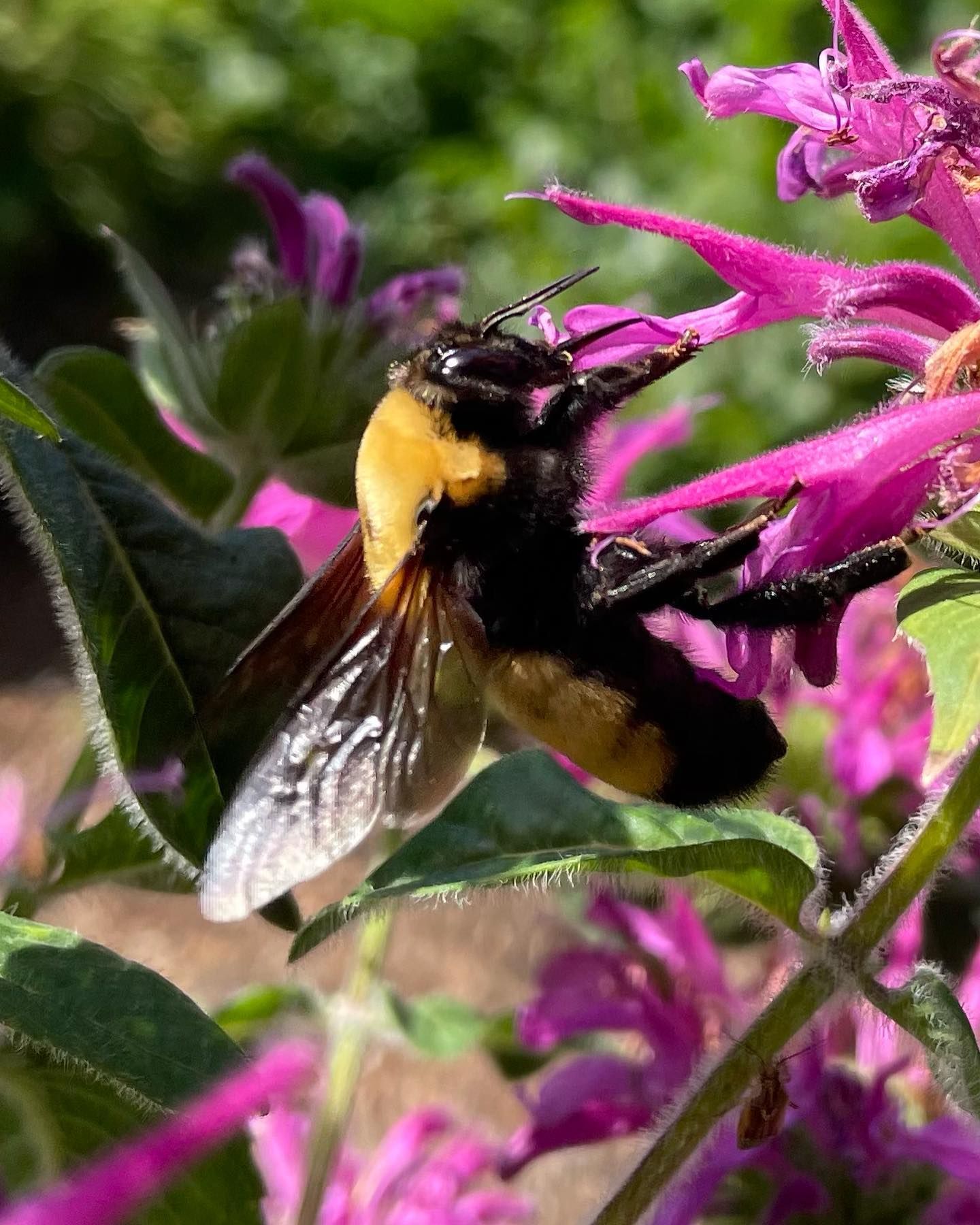
Throughout the zoo, plantings are selected to support pollinators and other beneficial insects, contribute to soil health, provide habitat for native wildlife, and demonstrate the essential role plants play in healthy ecosystems. Native plants are a particularly important focus, as they provide food and habitat that local wildlife have evolved alongside for thousands of years.
This work aligns with the Wilder Canada Action Plan, a national effort to accelerate recovery actions for species at risk across Canada. Horticulture contributes by building expertise in native plant propagation, supporting restoration-focused growing programs, maintaining living collections, and demonstrating the critical connection between species recovery and habitat conservation.
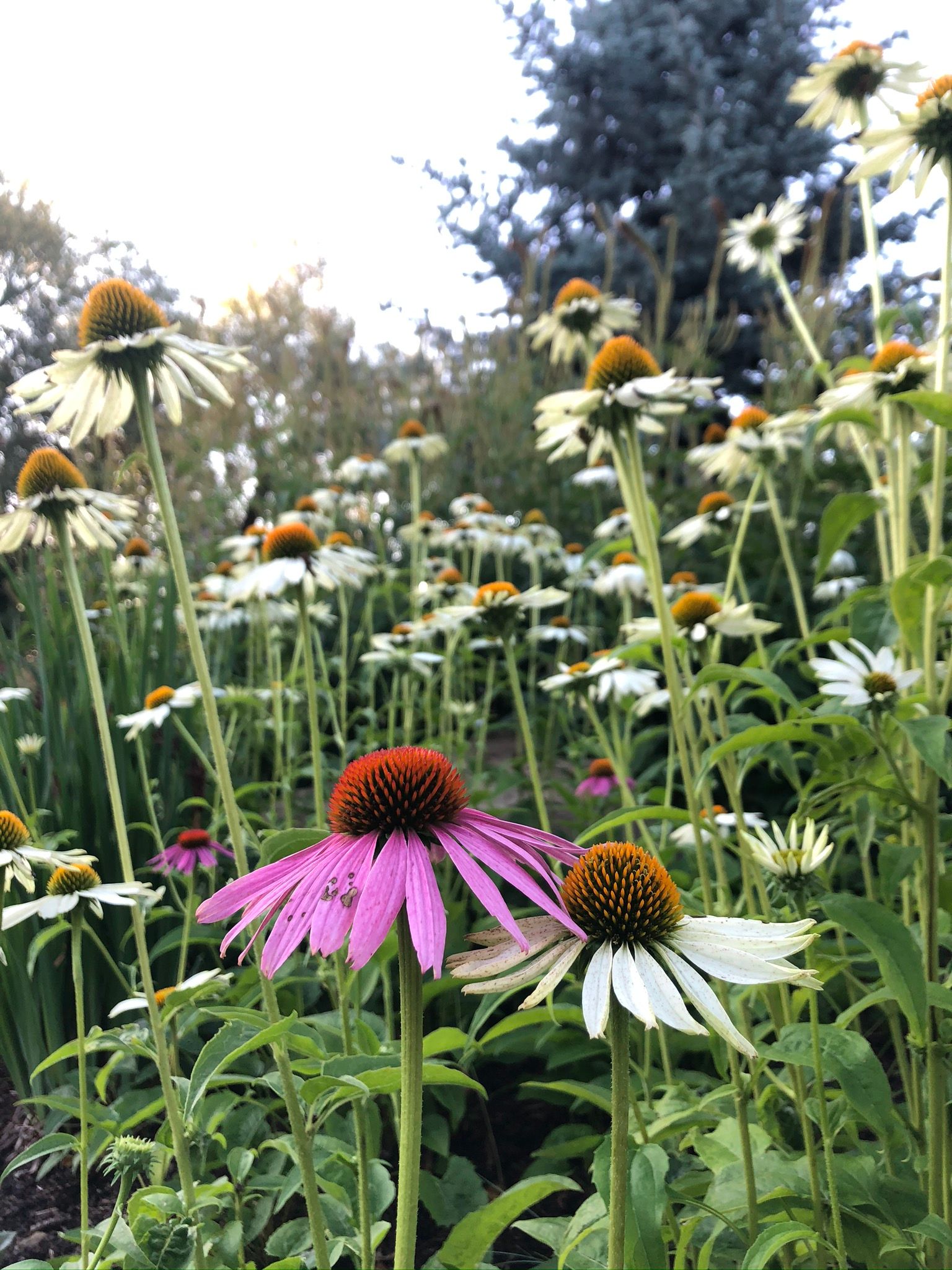
As prairie, grassland, and other natural ecosystems face increasing pressure from development, fragmentation, invasive species, and climate change, the demand for native plant material and propagation expertise continues to grow. Botanical gardens and horticulture professionals have an important role in collecting, growing, and safeguarding native species for use in habitat restoration and ecosystem recovery. By preserving botanical diversity, we help create the foundation upon which wildlife conservation depends.
Growing for Animal Wellbeing
One of the most rewarding aspects of working within a zoo is the opportunity to support animal wellbeing through horticulture. Our browse and enrichment programs incorporate plant material grown and managed by our team to encourage natural behaviours such as foraging, exploration, manipulation, and play.
Fresh willow, poplar, and other browse species are used as enrichment for a variety of animals. In some cases, plants are intentionally selected with several outcomes in mind. Ornamental crops such as kale and other edible varieties may be incorporated into seasonal displays for their visual appeal before later serving as nutritional enrichment. This approach allows us to integrate beauty, sustainability, animal welfare, and conservation into the same landscape.
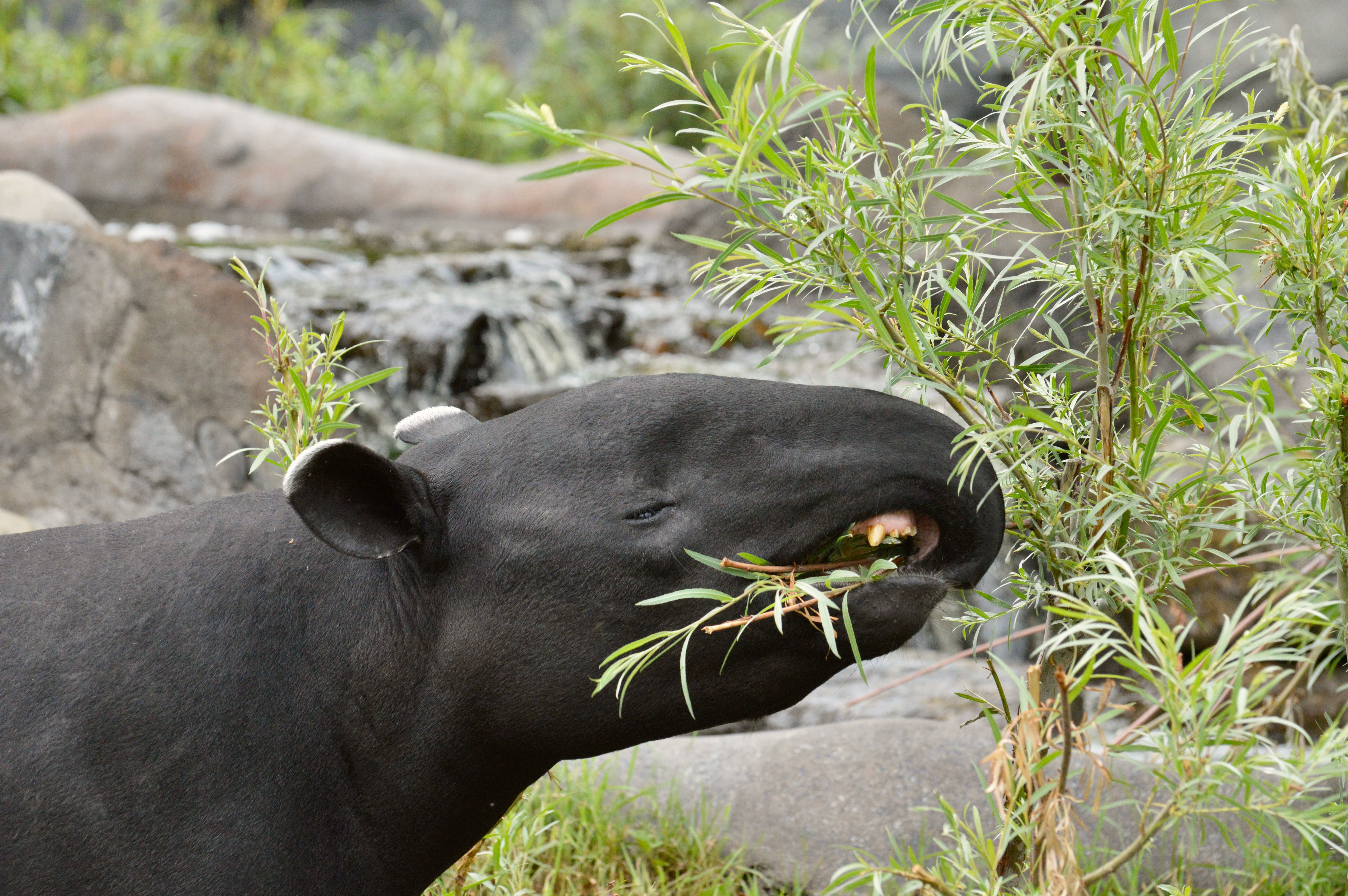
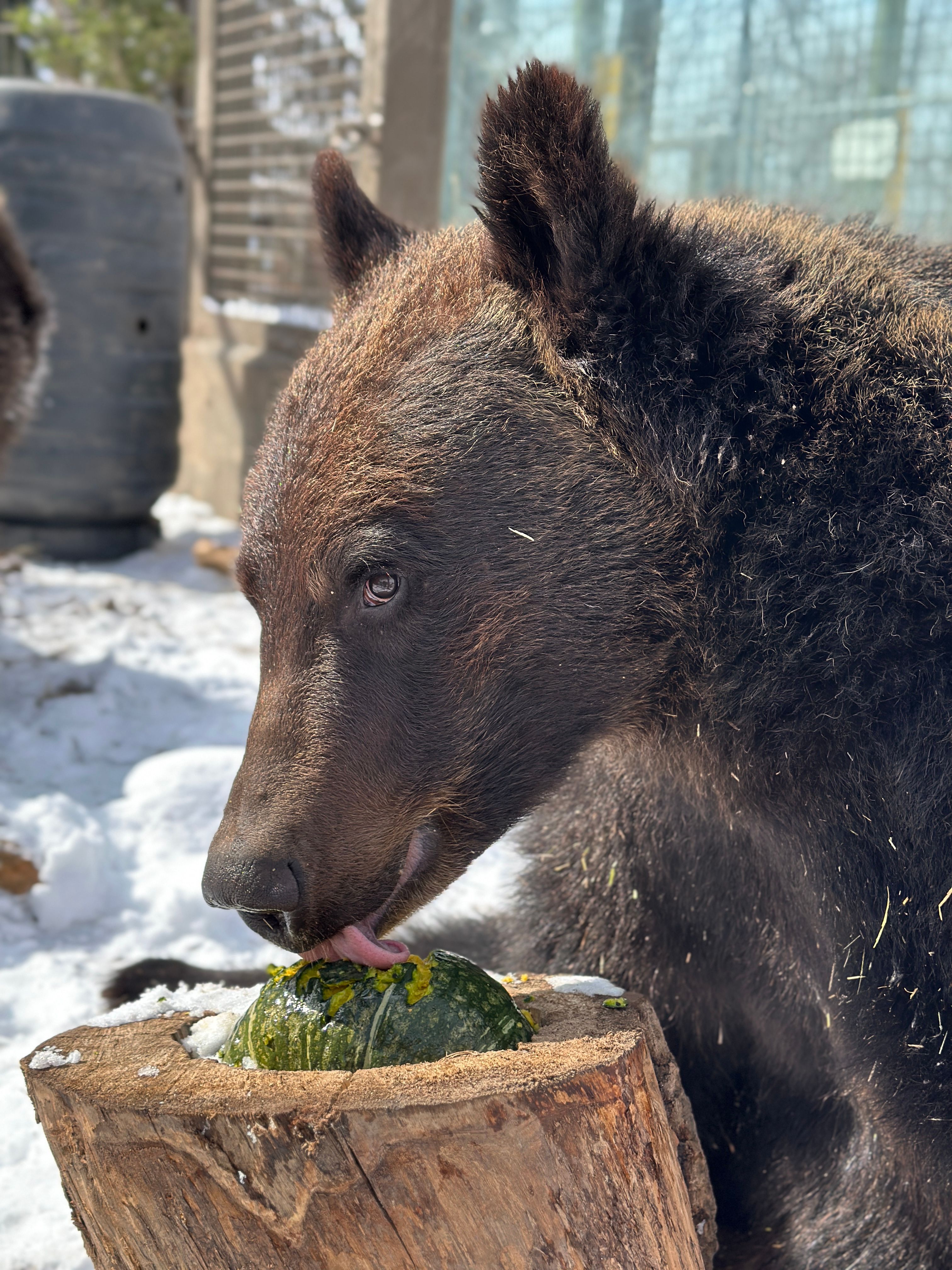
Horticulture also supports work beyond the gardens themselves. Edible crops, herbs, fruits, and specialty plantings can contribute to culinary experiences and educational programming, demonstrating the value of local food production. By viewing plants as more than ornamental features, we can maximize their impact across the organization and showcase the many ways horticulture contributes to a thriving and sustainable zoo.

Growing the Future
Collaboration is at the heart of our work. Our horticulture team works closely with colleagues in animal care, conservation, education, facilities, and culinary services to create immersive landscapes that support both people and wildlife. Equally important is investing in the next generation of horticulturists through mentorship, knowledge sharing, and professional development. The specialised skills developed over decades of gardening in Calgary’s unique climate are invaluable, and passing that knowledge on is essential to the future of the profession.
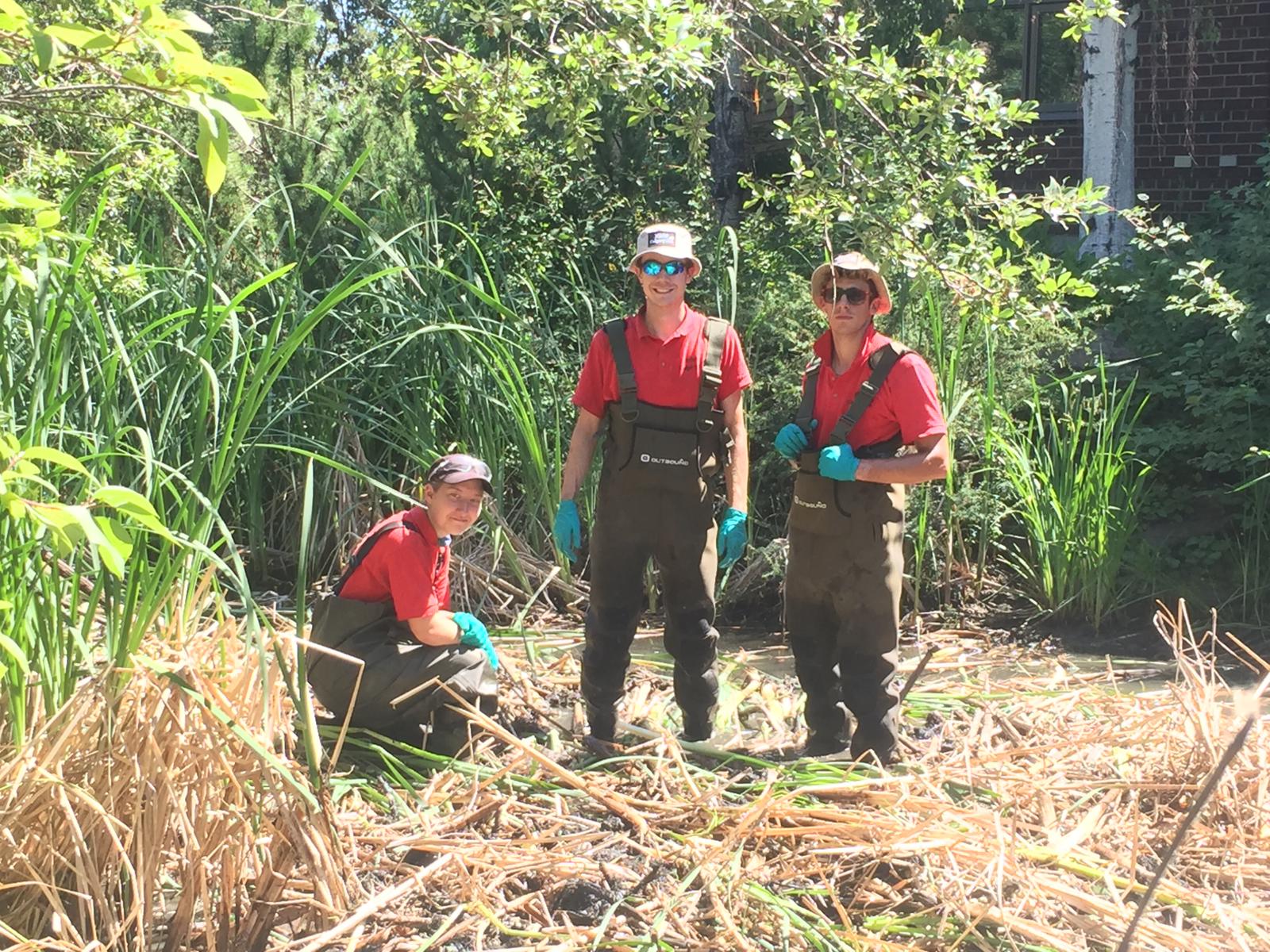
Looking ahead, we are expanding the role of horticulture within the organization’s One Wild Future vision by strengthening conservation-focused programming, advancing native plant and habitat conservation efforts, supporting biodiversity initiatives, and contributing to priorities identified through the Wilder Canada Action Plan.
In a world facing accelerating biodiversity loss, habitat fragmentation, invasive species, and climate change, botanical gardens have an increasingly important role to play. By connecting people to plants and demonstrating the value of healthy ecosystems, we can inspire stewardship while contributing to meaningful conservation outcomes.
We are proud to be growing more than gardens. We are helping cultivate a future where both plants and wildlife can thrive.
Learn more about Wilder Institute’s Calgary Zoo, explore their conservation work, or stay connected through their website and latest updates.
Wilder Institute Linktree – Visit their main links for news, the Wilder Canada Action Plan, newsletters, careers and ways to support conservation.