How Volunteers Built a Native Botanic Garden to Safeguard Threatened Species: Shoalhaven Heads
Founded: 2006 (officially opened 2011)
Location: Shoalhaven Heads, New South Wales, Australia
Size: 1 hectare (2.5 acres)
Access: Open 24/7, free entry
Collection: 550+ species, including 80+ threatened and critically endangered plants
Collection type: Australian native plants, including rare and bush tucker species
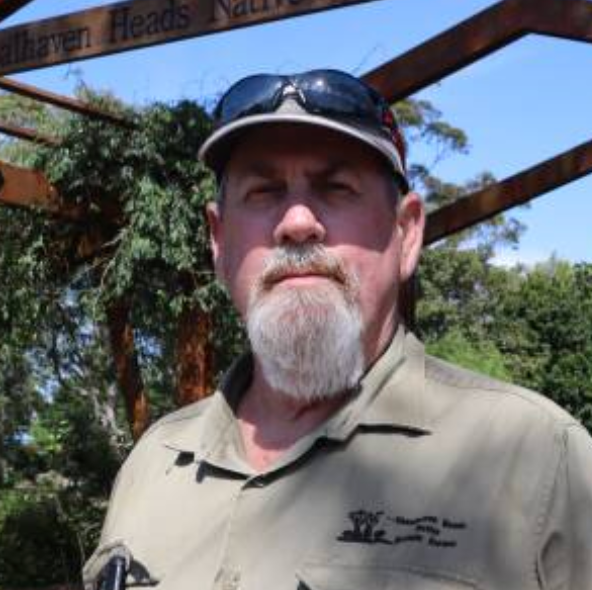
In 2006, Roger Tilley and Rob Stewart, neighbours living next to a council reserve at Shoalhaven Heads, began germinating seeds brought back from a holiday in far north Queensland. Tilley was a plant enthusiast, Stewart a horticulturalist. From that starting point, the idea of developing an arboretum on the reserve took shape.
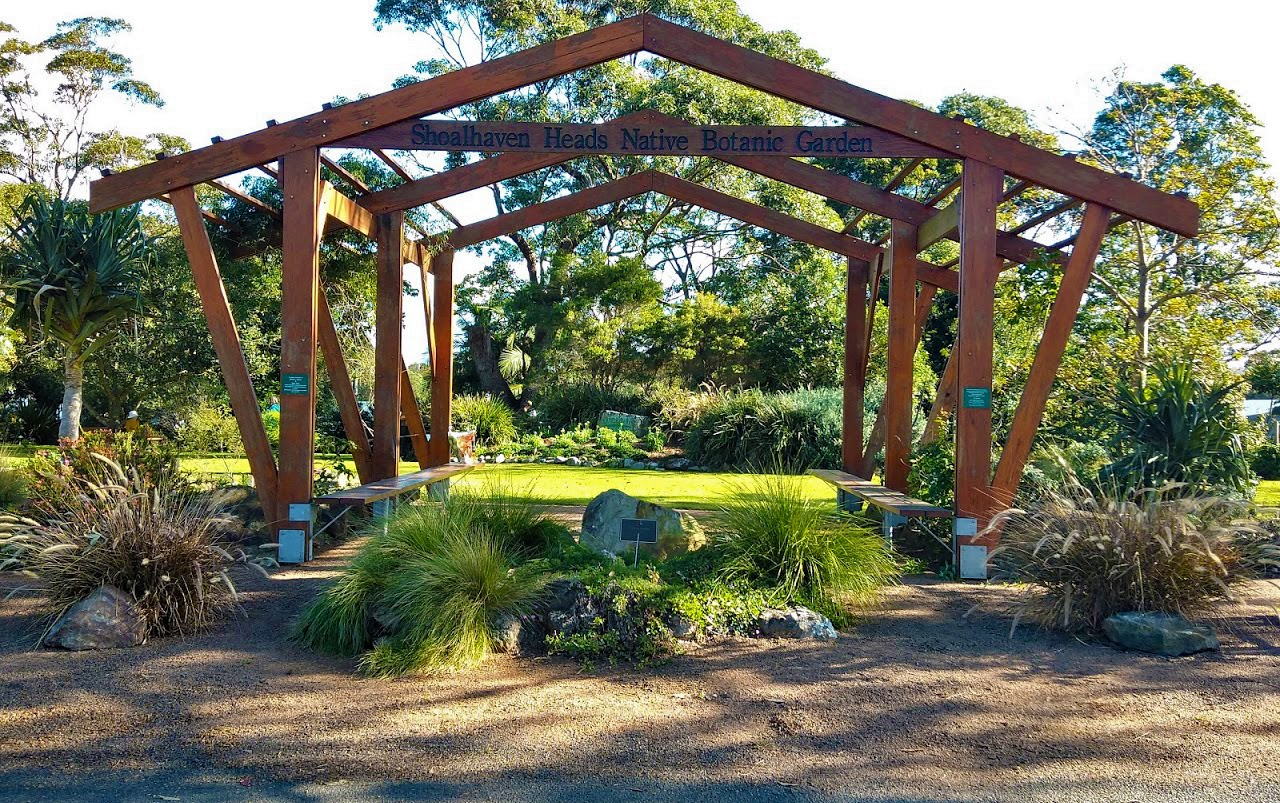
Nearly twenty years later, the Shoalhaven Heads Native Botanic Garden holds over 550 species of Australian native plants, more than 80 of them threatened or critically endangered, on one hectare of council land, tended entirely by volunteers. It is free to enter and open around the clock. Rob has been running education sessions with the preschool next door for over a decade, and the garden's relationship with its community runs deep. "The gardens are open 24/7 and we don't get any vandalism," he says. "There's no gates."
The Garden
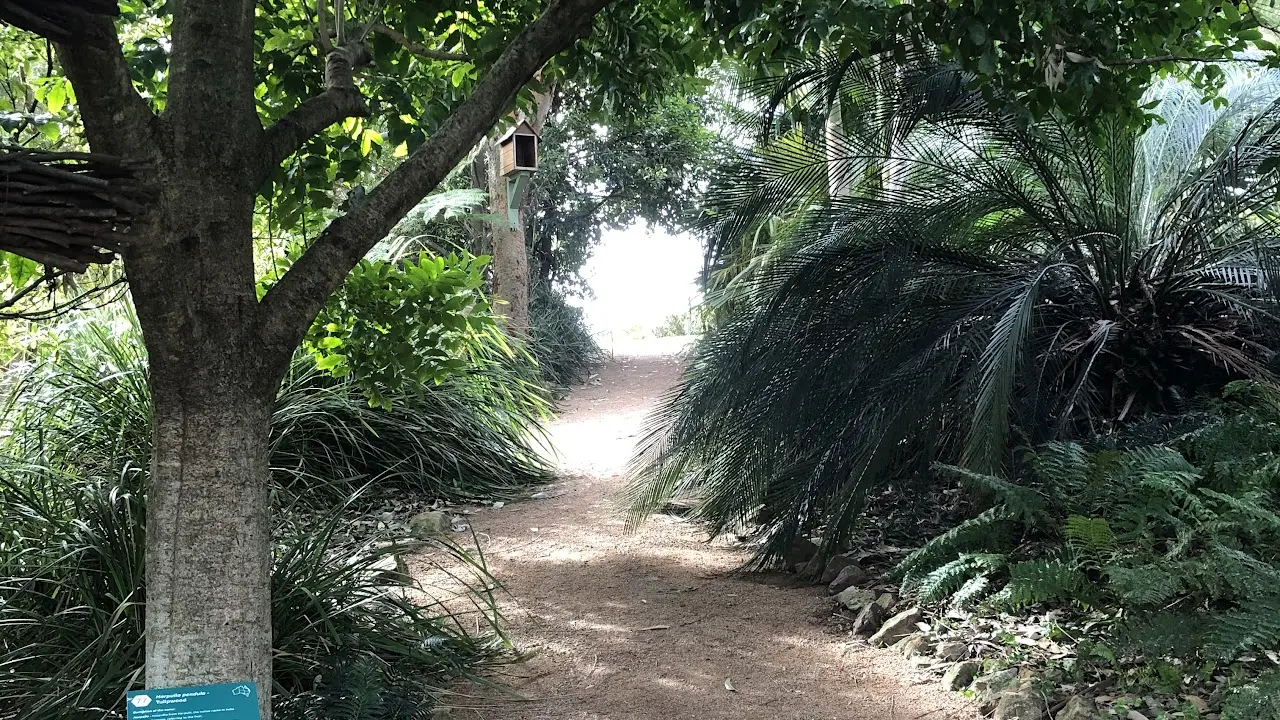
Shoalhaven City Council approved the project in 2009, and in April 2011 Curtis Park Arboretum was officially opened on what was still largely a grass paddock. The Bush Tucker Garden, laid out in the shape of a hunting boomerang following consultation with the local Jerrinja Land Council, followed in 2011, planted with Davidson's Plum, native ginger, Midgen Berry and other edible species. As the collection deepened and expanded well beyond trees, the name was changed in 2017 to Shoalhaven Heads Native Botanic Garden, the same year it joined Botanic Gardens Australia and New Zealand (BGANZ).
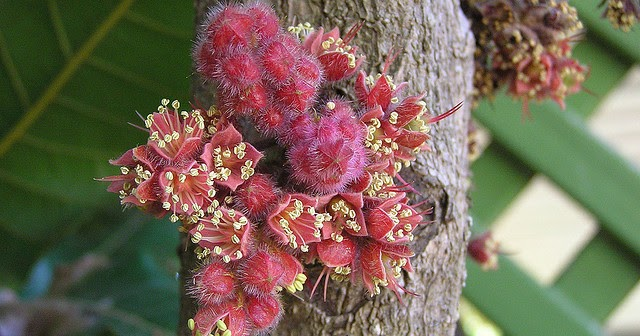
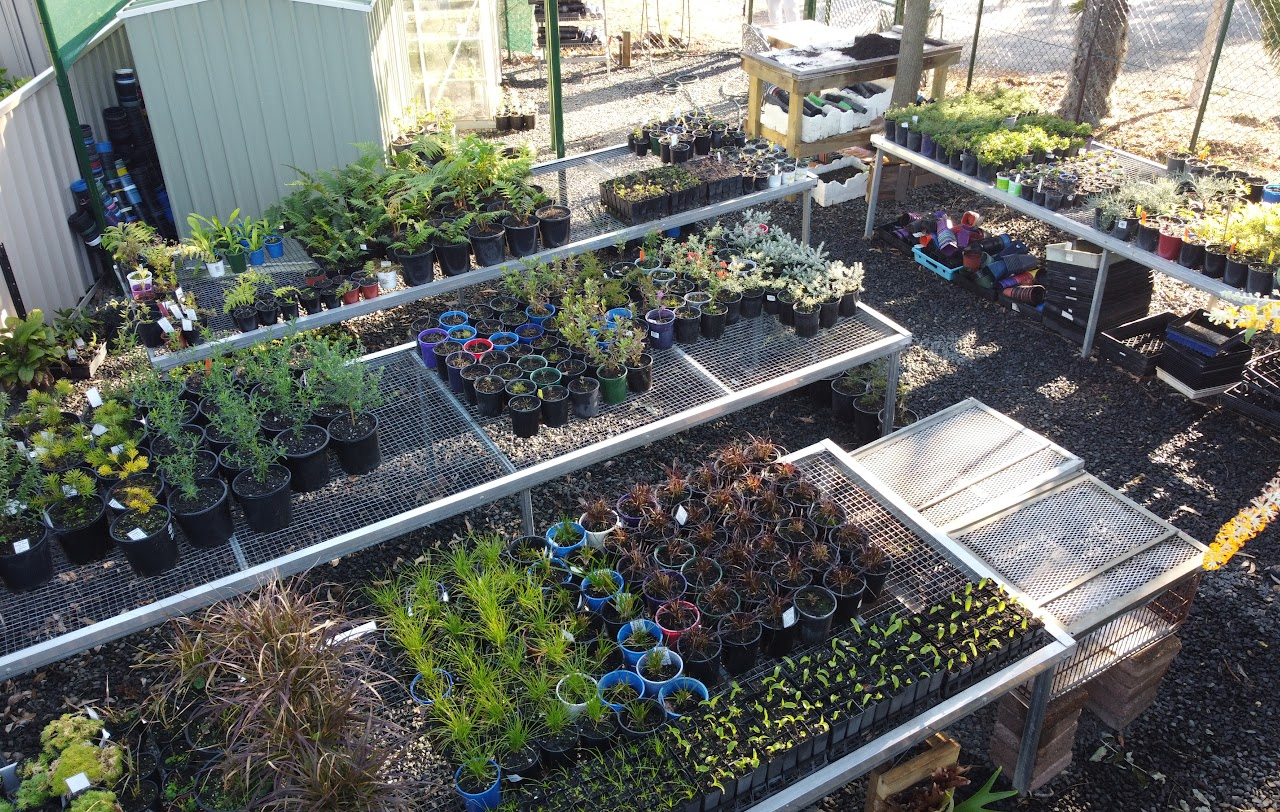
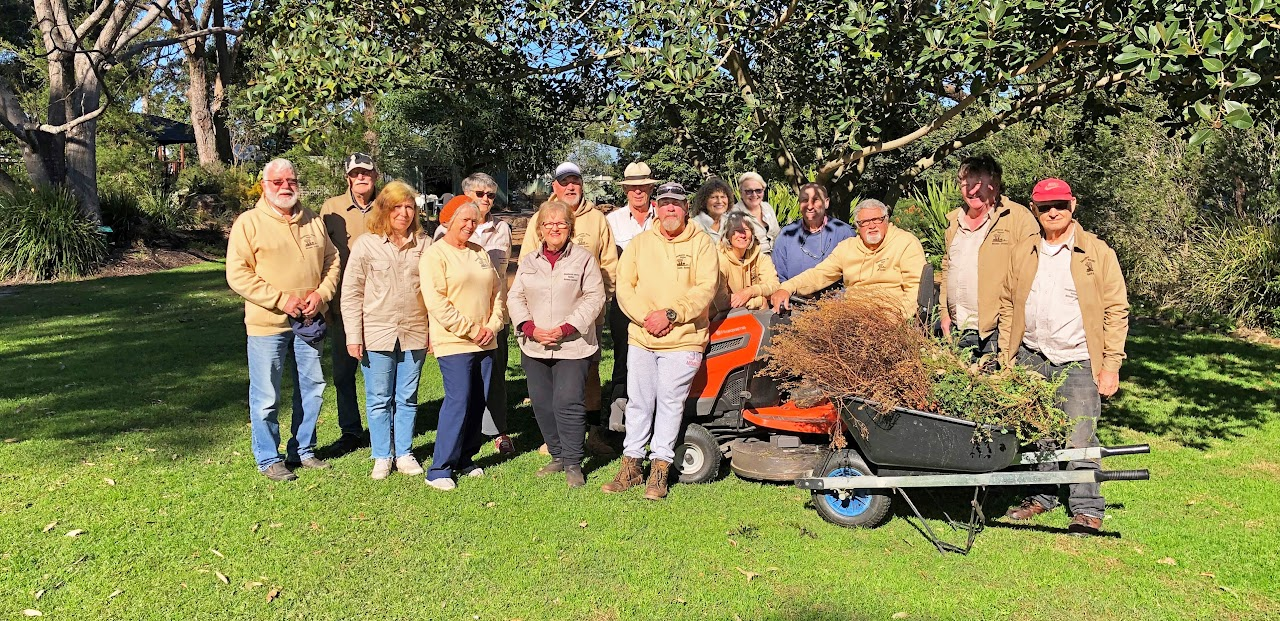
Today around twenty volunteers tend the garden on a self-funded basis, supported by small grants and two plant sales a year. Schools and preschools visit for education sessions, disability groups come regularly, and the garden's compact scale means it can be explored fully without becoming exhausting. In 2025, the garden received the BGANZ Living Collection Curation Award, formal recognition for its approach to living collection curation and, as Rob puts it, an amazing achievement for a small, self-funded volunteer garden that had been building towards this for nearly two decades. The award also brought a significant increase in visitors.
The Collection
Among the 550 species growing at Shoalhaven Heads are some that exist almost nowhere else. Banksia vincentia, critically endangered and with fewer than four individuals remaining in the wild, is represented here by a dozen specimens, all grown from cuttings. "We've got about a dozen in the garden now, and we're propagating them," says Rob, "but not by seed, by cuttings." A Hibiscus insularis, which came close to extinction after cattle stripped its habitat on a small island off the coast, also survives at Shoalhaven Heads, propagated from cuttings Rob managed to source before the wild population disappeared.
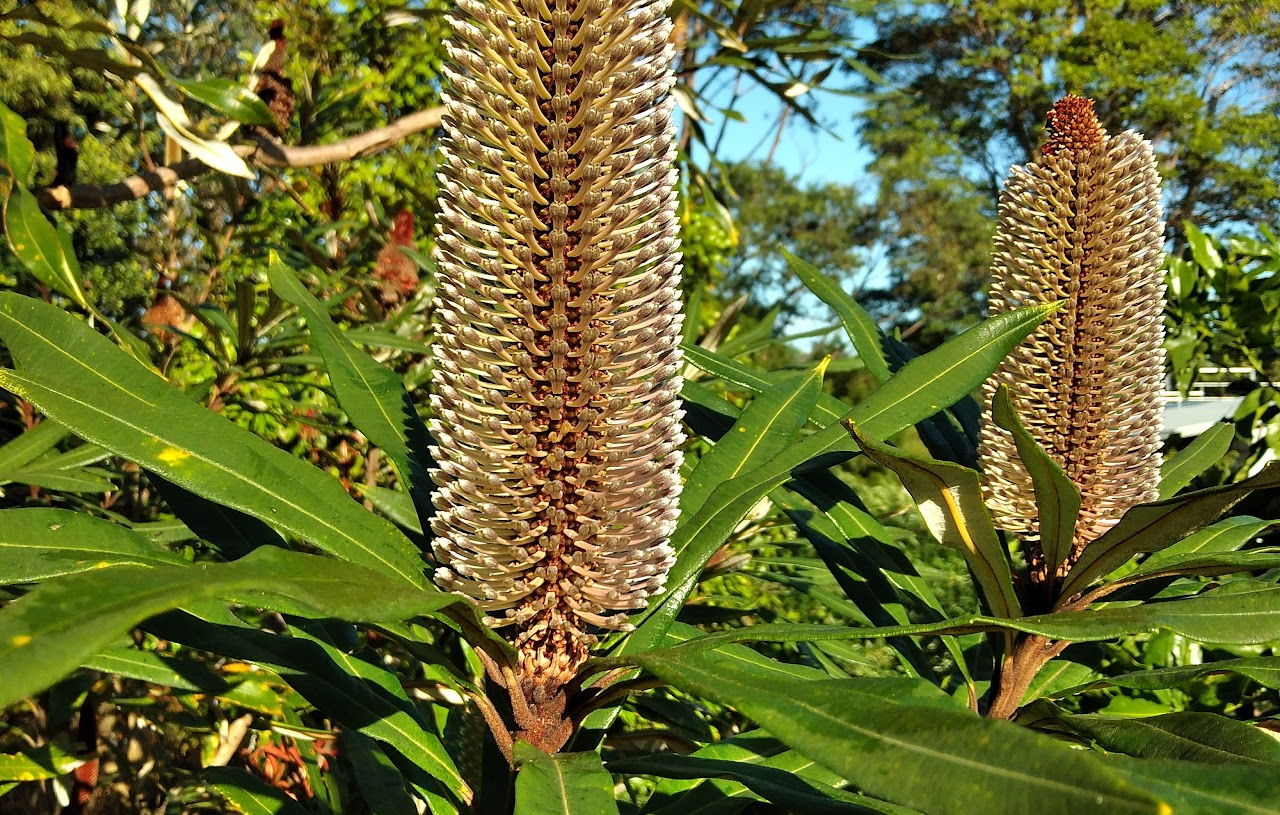
The garden has also taken on the challenge of Western Australian species, which can struggle with the humidity of the south coast. When a species doesn't adapt, it is tried once more before the garden accepts it won't take, and the record of that attempt stays in the collection regardless. Over time, that record has revealed something useful: Western Australian plants that flower in September and October at home have been flowering in May at Shoalhaven Heads, a pattern only visible because someone was keeping careful track.
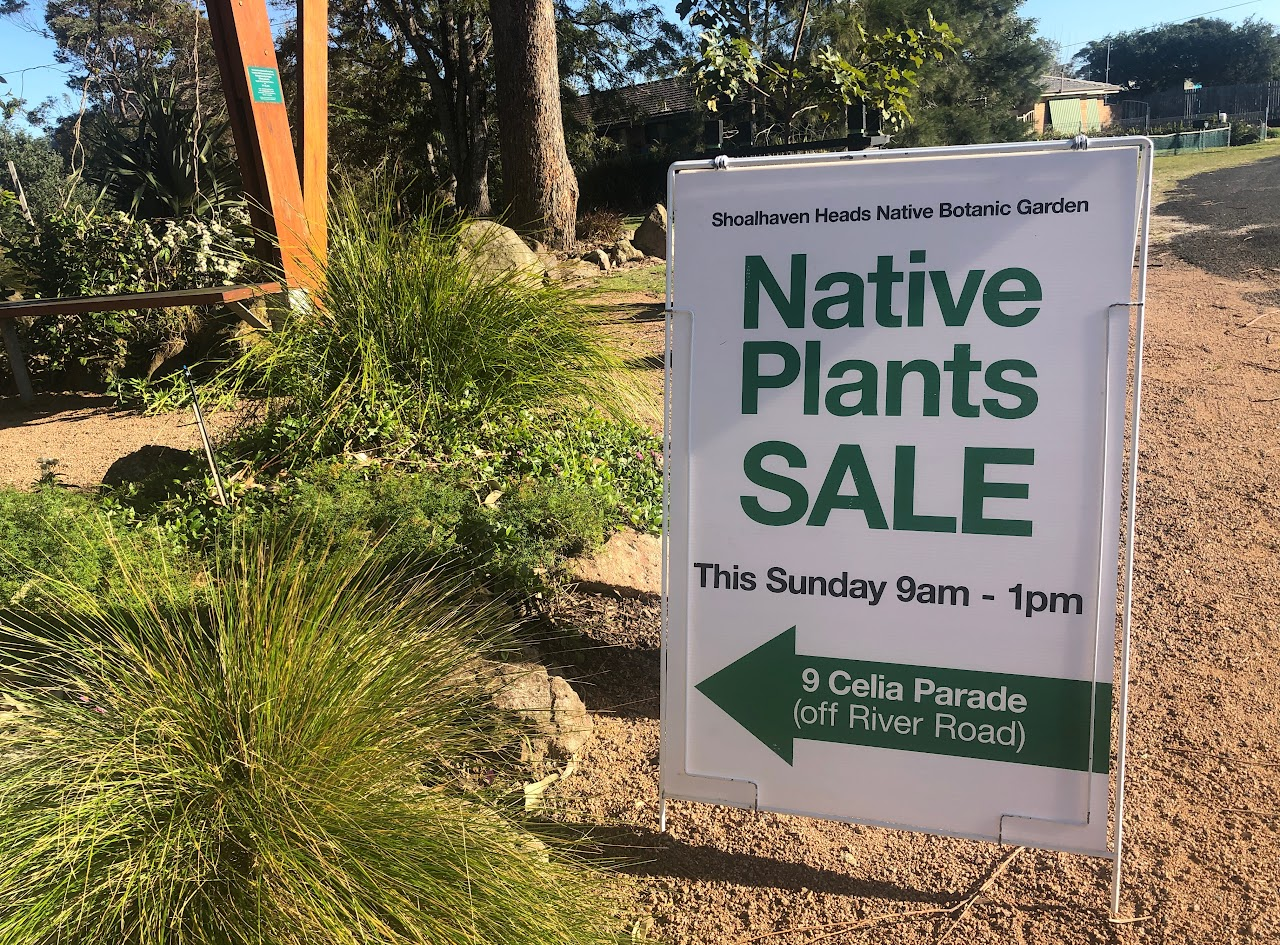
Propagation of threatened species feeds directly into the plant sales. Visitors who see a species thriving in the garden know it can be grown in this climate, and some leave with one of their own.
Hortis
Before Hortis, the garden's records lived in paper files and whatever Rob held in his head. "It was a never-ending paper trail," he says. "I knew where they were, I knew what they were, but we didn't have any complete records."
A grant from Horizon Bank in 2023 gave the garden access to Hortis, and Rob spent around a year transferring the collection into the platform. "I'm not a big computer wiz, so it took me a bit to get my head around it. But once I got my head around it, I got right into it." When he finished, the full picture surprised everyone. "We had 540 different species in the garden. It was a bit of a surprise to all our volunteers what we actually had."
The practical benefits have spread across how the garden runs. Chris Lawrence, a former librarian and volunteer, takes Rob's lists of plants needing new tags, goes home, pulls the correct information from Hortis, and compiles the label data. Nursery staff use the platform to locate the exact plants they need to propagate: "They get on the map, click on the plant, go out into the garden, they know exactly where it is and off they go." Propagation notes capture what works and what doesn't. A Grevillea that strikes poorly one month but at close to 100% the following month is the kind of detail that used to live only in someone's memory.
When plants die, Rob keeps the record rather than deleting it. "I just have them as de-accessioned. I leave them there because when we've spent this money on labels, if we can replace the plant, we will." Visitors can access the full collection by scanning a QR code on-site or through the garden's website, exploring plants by name, location and conservation status.
"I don't see how we could do it any other way now," Rob says.
For a volunteer organisation, continuity is a real concern. Members come and go, and knowledge held in one person's head can be lost. "We really wanted to get this in place for the future of the Botanic Gardens, because we're all volunteers," Rob says. "Down the track, if something happens to me or someone else, this is set in concrete. Anyone can come in, log on, use that program, and know where every plant is, what species it is, whether it's endangered."
Explore the garden’s living collection on its public Hortis site, watch Rob share more of its story in our webinar recording, or stay connected through Facebook and the Shoalhaven Heads Native Botanic Garden website.
Public site - Explore the plants growing across the garden through their public Hortis collection.
Webinar - Plant Conservation Stories: Shoalhaven Heads Native Botanic Garden
Website - Learn more about the garden, its work and how to visit.
Facebook - Keep up with the latest news, events and garden updates.