Mendel's Peas, Climate Research and 140 Years of Botanical Discovery: Inside Oldenburg's Botanical Garden

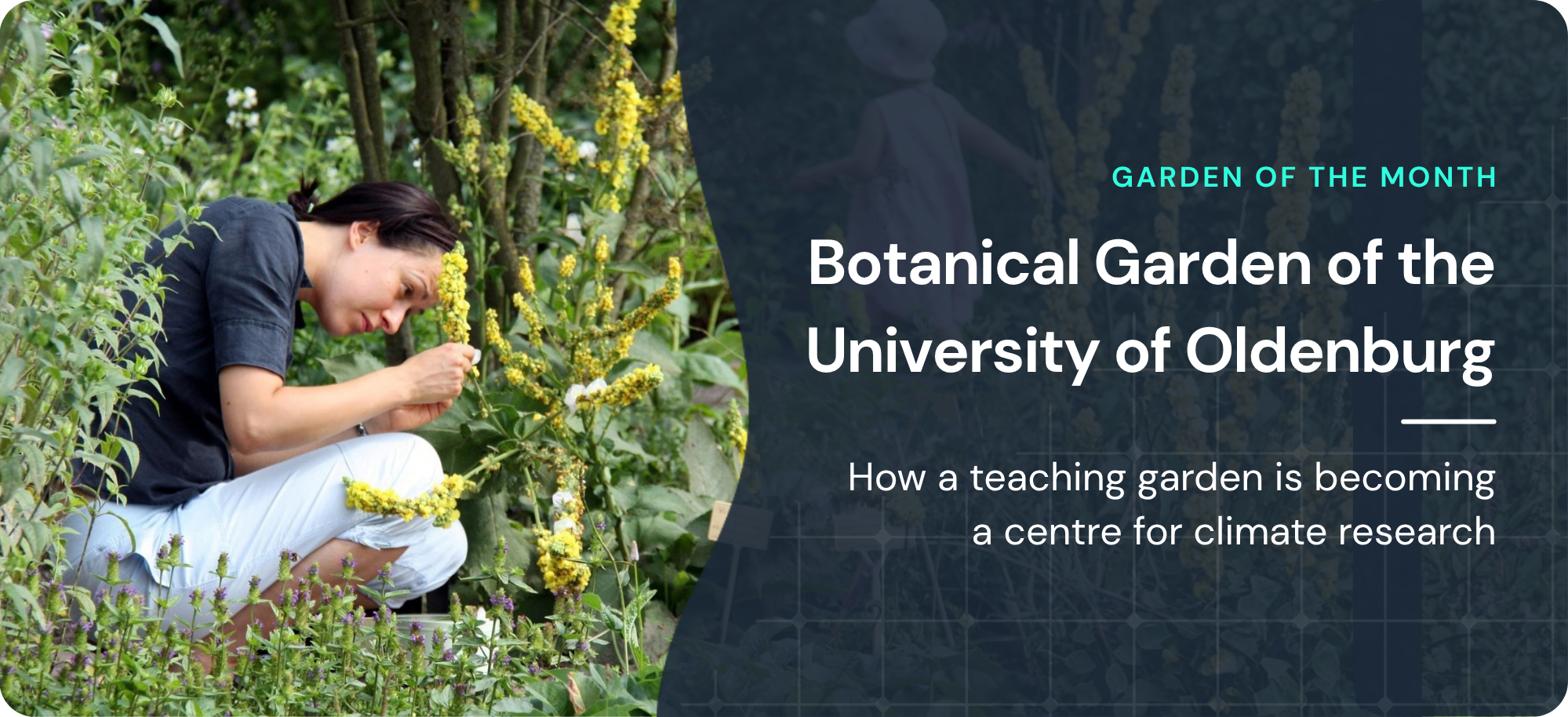
Founded: 1882 as a 0.5 ha garden for the education of future teachers; part of the University of Oldenburg since 1976
Location: Oldenburg, Lower Saxony, Germany, close to the city centre
Size: 9.1 acres (3.7 ha) public garden, plus a 2.5-acre (1 ha) external research nursery
Access: Open year-round with free entry; around 150,000 visitors per year
Collection: Around 4,500 plant species from across the world, including plants from high mountains, wet tropics and dry subtropics, as well as medicinal and useful plants. More than 50 animal species are also on display
Collection type: University botanical garden combining public displays, education and research
History and current tasks
Research, education and public engagement all come together at the Botanical Garden of the University of Oldenburg. Its collections support university teaching and scientific research, while also giving visitors the opportunity to explore plants from a wide range of habitats and discover their scientific, cultural and ecological significance.
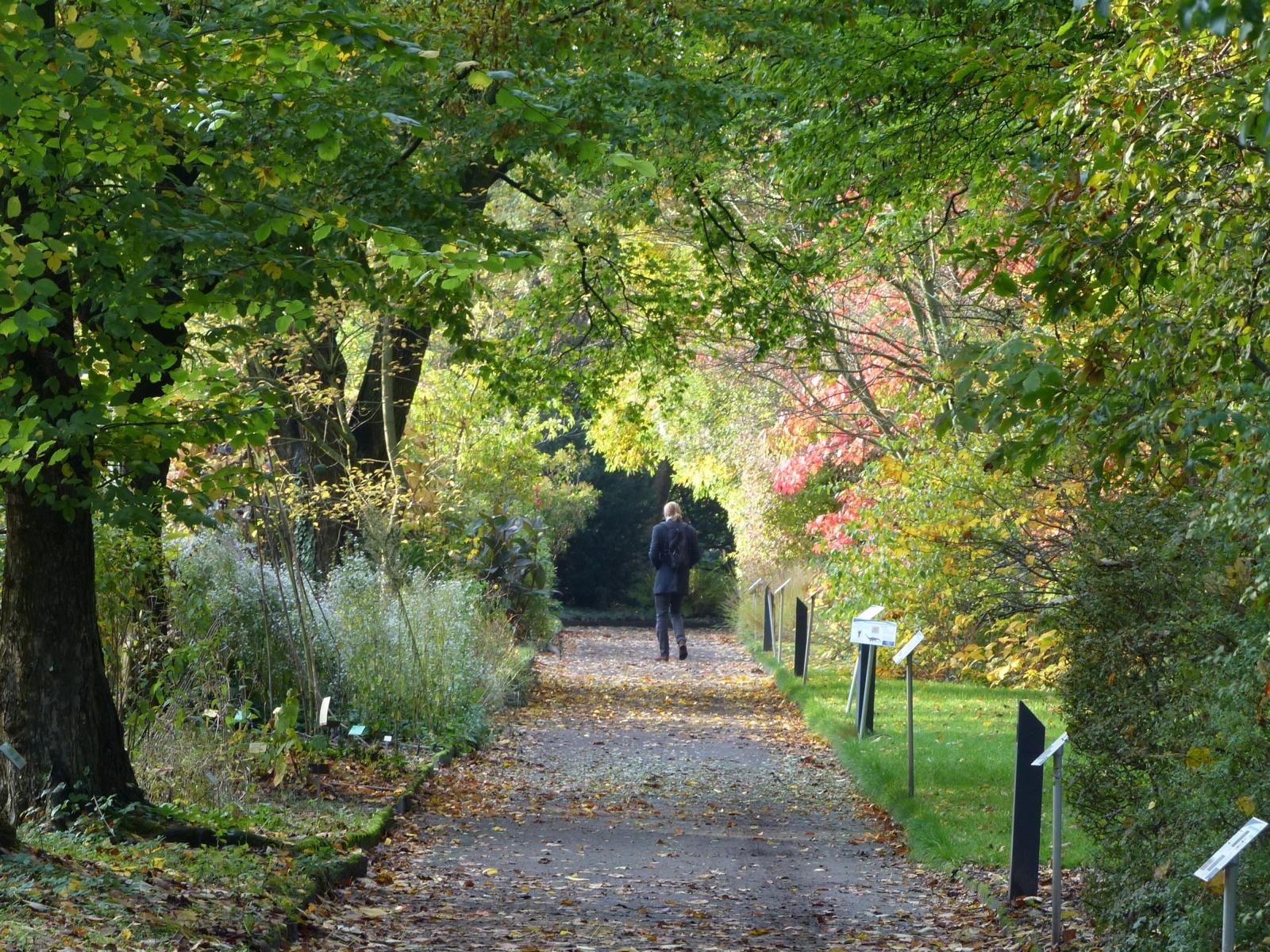
The garden’s story began in 1882 on just half a hectare, originally established for the horticultural education of future teachers. Following several changes in ownership, it gradually developed into a botanical and biological garden, growing to around five hectares before becoming part of the University of Oldenburg in 1976.
For much of the 20th century, one of the garden’s main aims was to showcase as many plants and animals from northwest Germany as possible, an approach characteristic of what might be described as a ‘biological garden’.
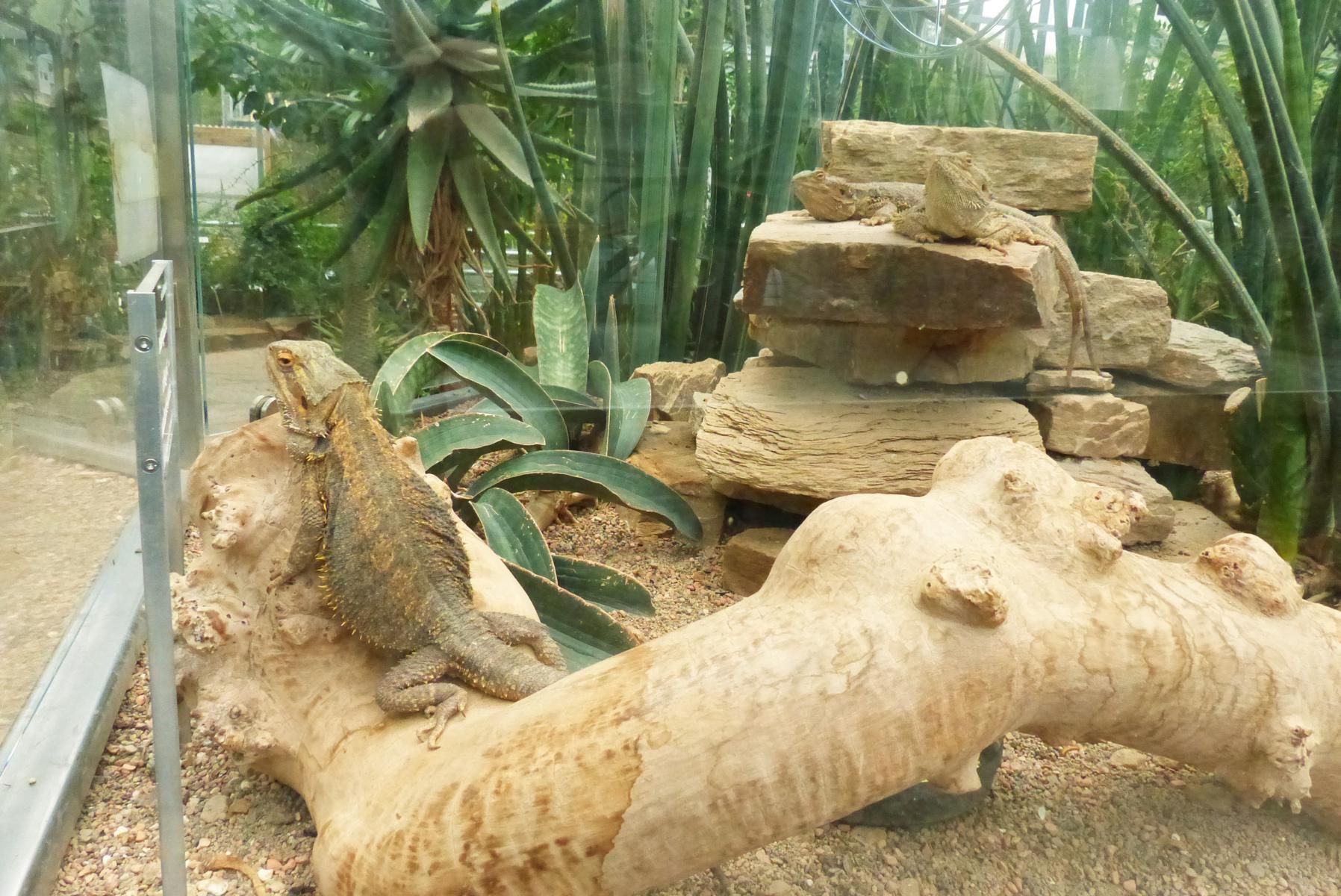
The number of animal species has since been reduced, although more than 50 species, mainly birds and reptiles, are still on display. Where possible, these have links to research at the University of Oldenburg. The garden’s owls, for example, connect with the university’s world-renowned research into hearing.
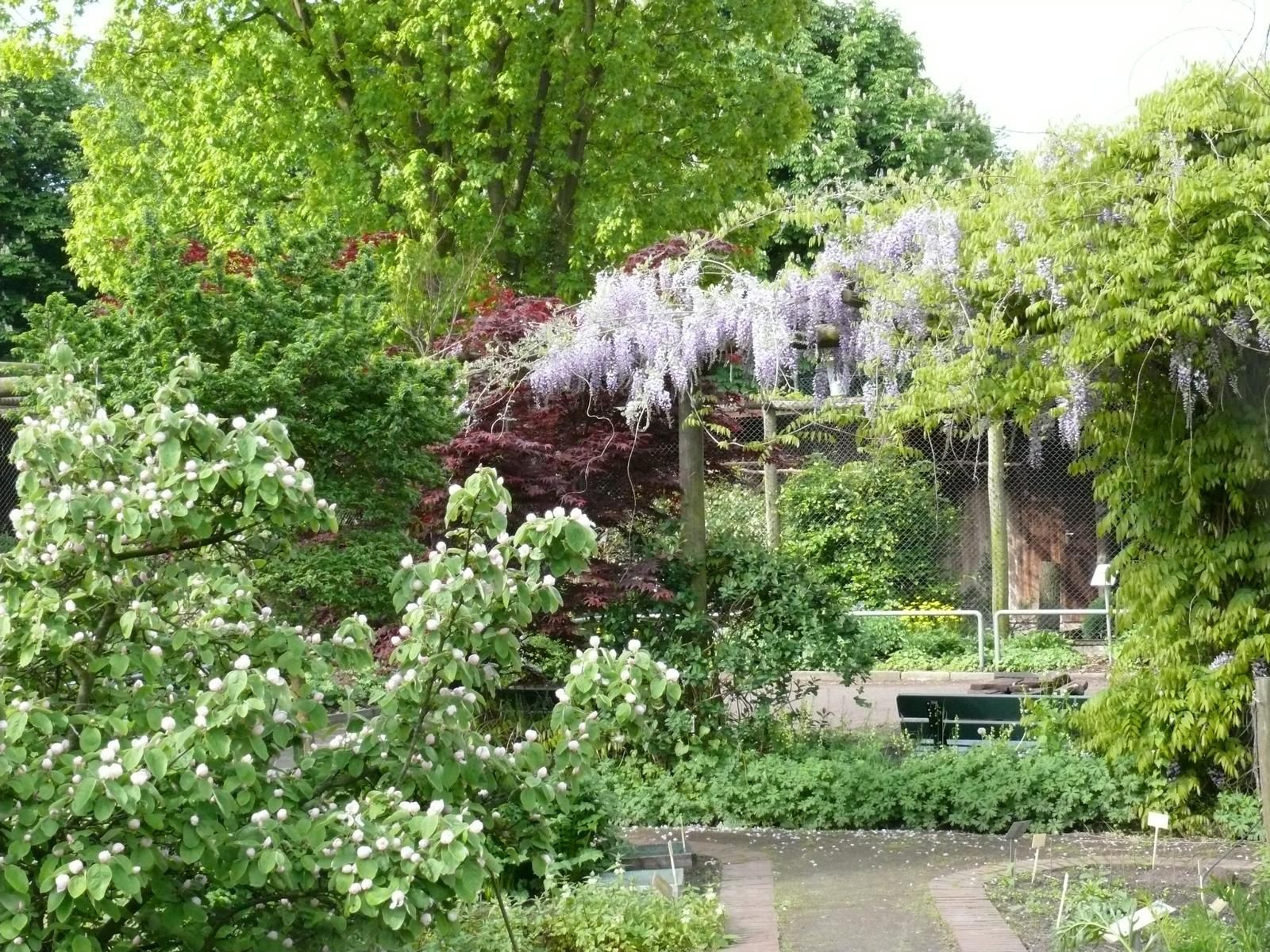
The first small glasshouse for plants unable to survive the winter outdoors was built in 1971. Today, approximately 2,000 m² of the garden is under glass, while a green classroom added in 2008 is fully booked throughout the season.
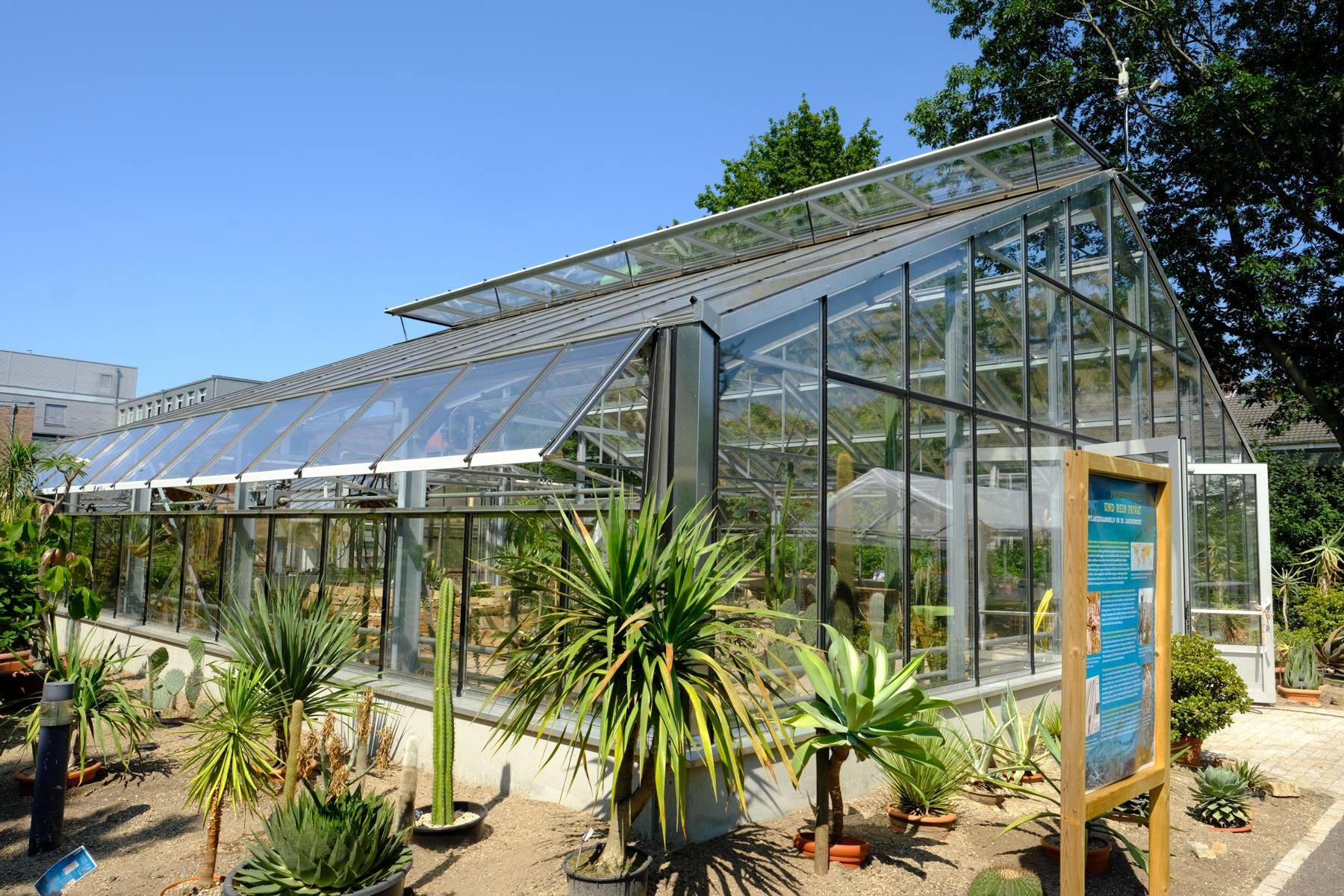
As a public garden affiliated with a university, Oldenburg has to balance many different roles. It provides plants and infrastructure for teaching and research, maintains general and specialist collections, cultivates rare plants for nature conservation and represents plants from a variety of natural habitats.
Alongside this, the garden provides biological education for children and the wider public, demonstrates approaches to modern gardening and offers a place for visitors of all ages to enjoy.
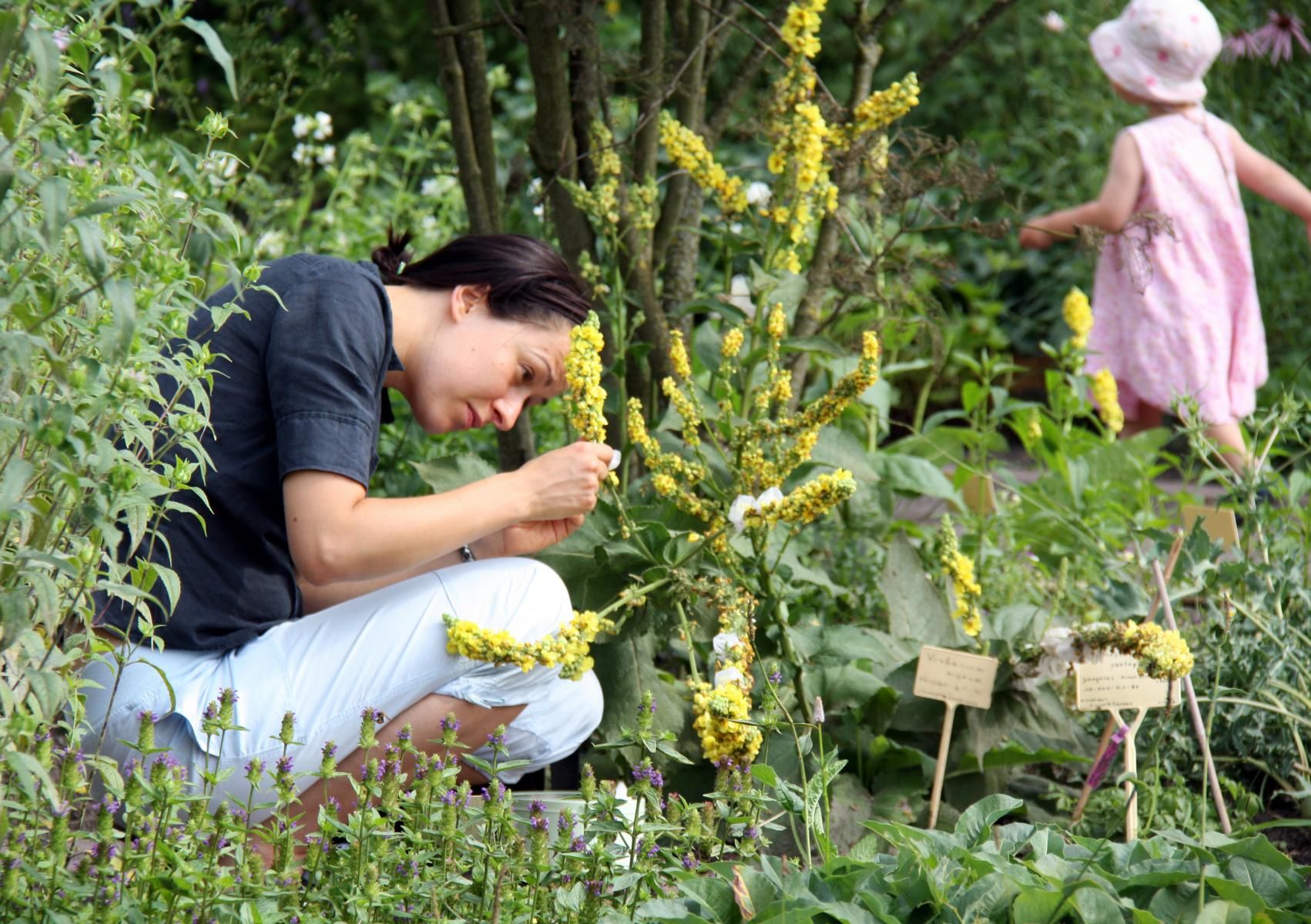
Finding a sustainable and widely accepted balance between these different needs is one of the garden’s major challenges. At present, particular emphasis is being placed on information, education and providing infrastructure for research, while its many other roles continue alongside them.
The garden and its themes
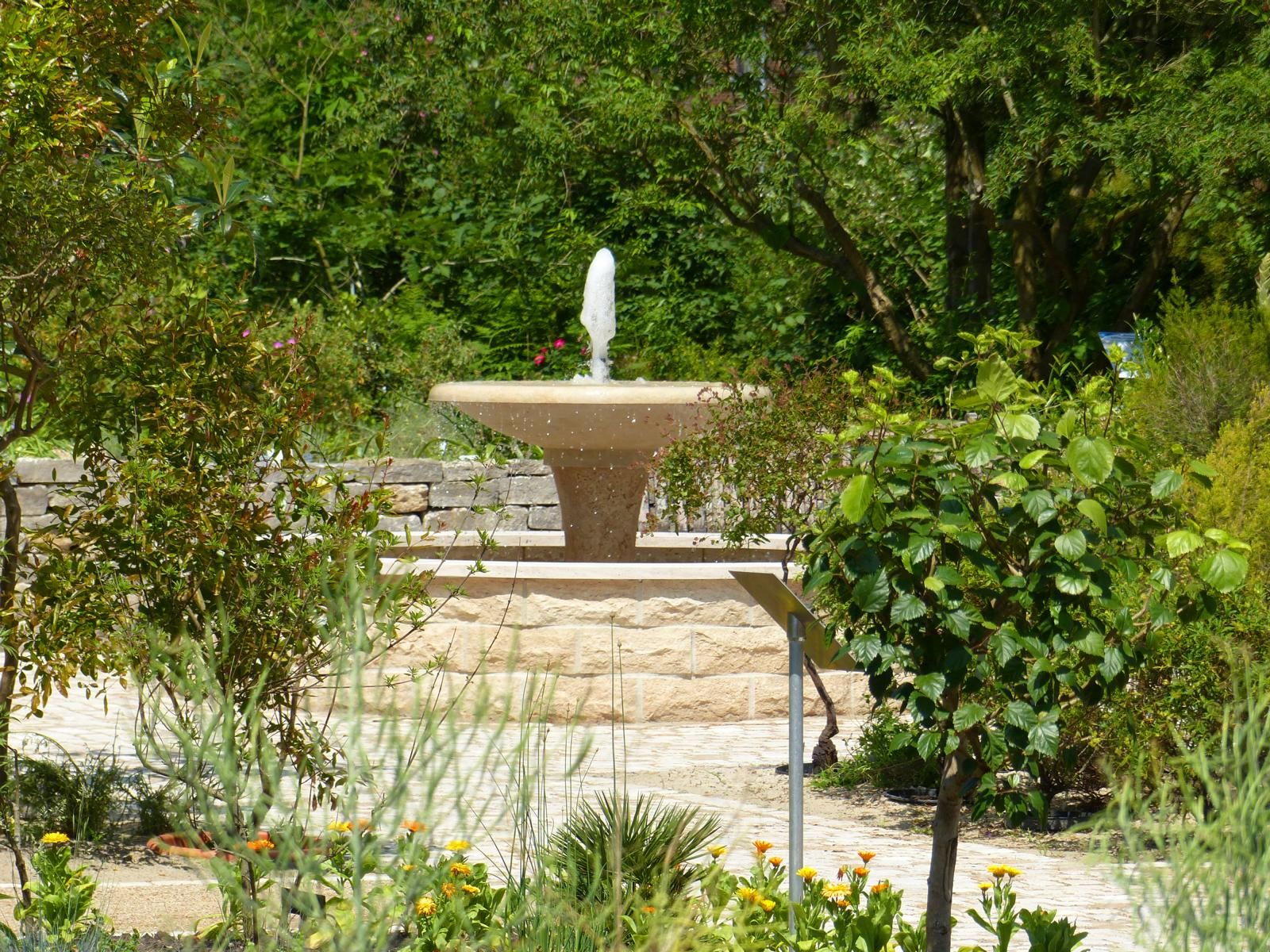
The public garden is divided into around a dozen main thematic areas. These include a useful plants bed, a systematic plant collection, trees and rock plants arranged geographically, and tropical plants grown under glass.
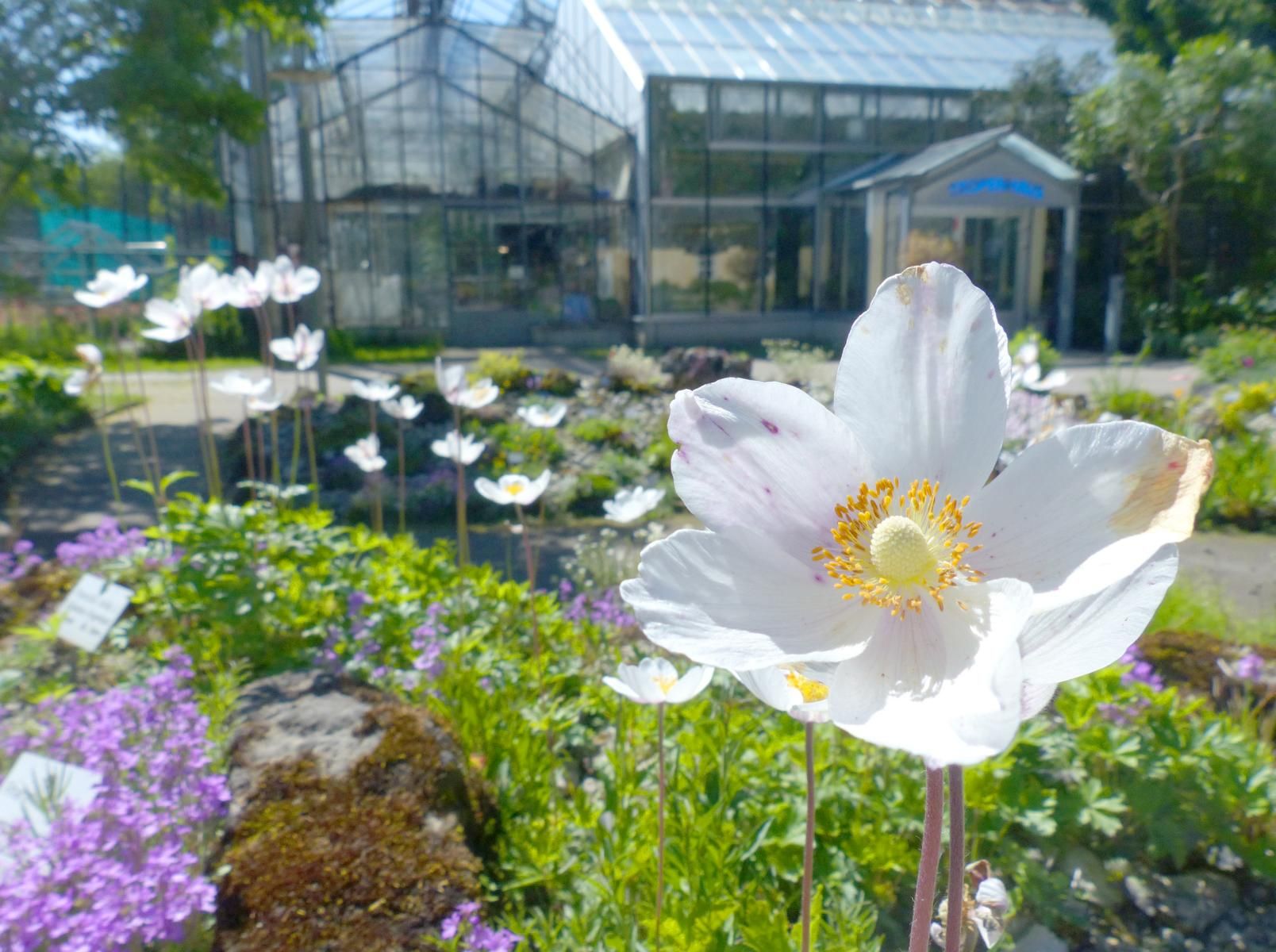
Specialist collections include the genera Quercus, Brassica, Ligustrum and Aeonium.
Areas representing the characteristic vegetation of northwest Germany include peat bog, heath and dunes, as well as a pond containing extremely rare plants of Lower Saxony such as shoreweed and water lobelia.
One particularly unusual bed is dedicated entirely to plants with high cultural or scientific significance.
Among them are Madonna lilies, important as religious symbols and in Renaissance art; different pea cultivars studied by Gregor Mendel in his work on the fundamental laws of genetic inheritance; and mosaic maize studied by Nobel Prize laureate Barbara McClintock, whose work changed our understanding of the evolution and stability of genomes.
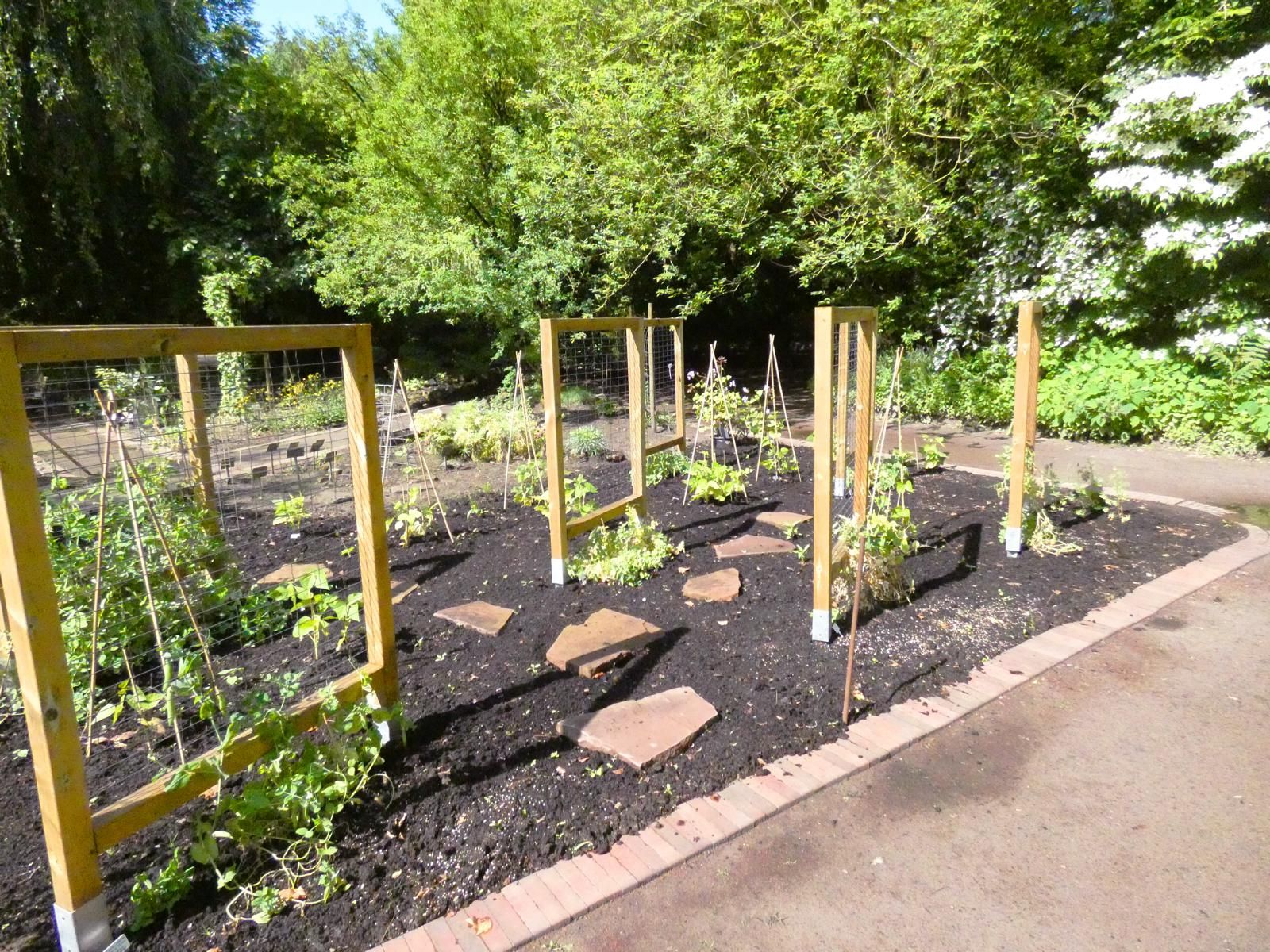
A second, similarly distinctive educational bed is now more than halfway through construction. Dedicated to the process of evolution, and particularly the contributions of Charles Darwin, it explores subjects including mutations, hybridisation, genetic bottlenecks, earthworm activity and island biogeography.
Research in the garden
Scientific research is part of everyday life at Oldenburg.
Typically, 15 or more bachelor’s and master’s students carry out experiments on the grounds each year. Some work directly with plants from the collections, while others use the glasshouses and other facilities for their research.
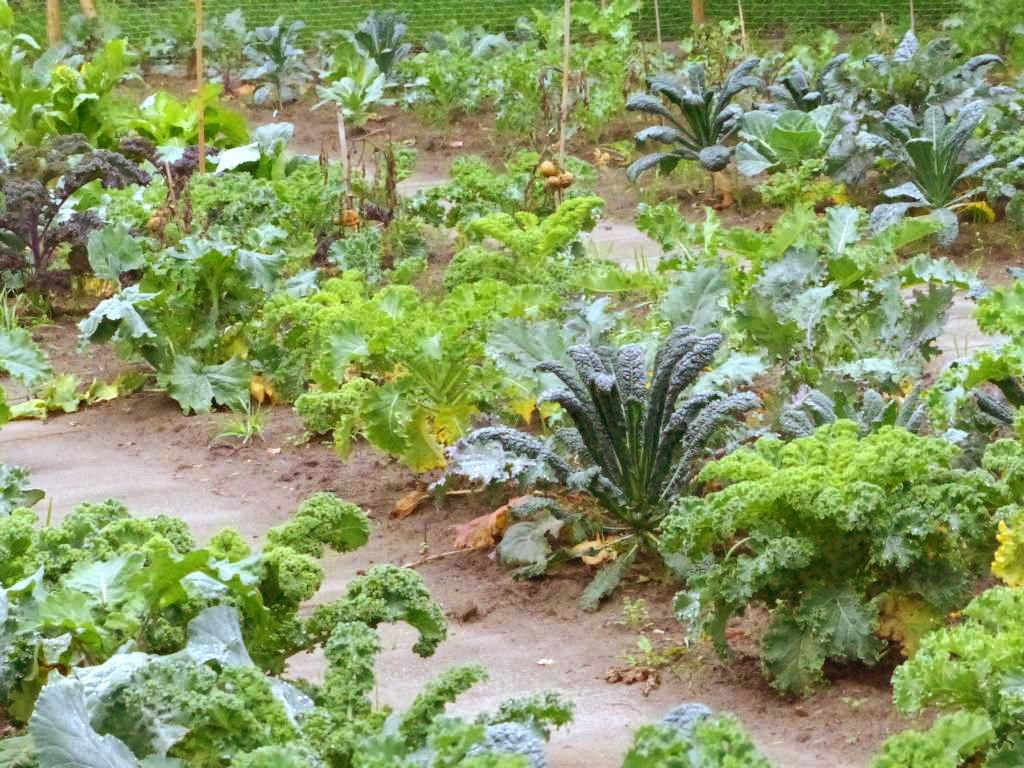
This includes work involving the garden’s collection of more than 100 varieties of kale, a particularly fitting subject in Oldenburg, where kale has strong cultural significance and is regarded as a signature plant of the city.
Responding to a changing climate
The use of resources such as water and fossil fuels, as well as high nitrogen inputs, is becoming increasingly important to address in the face of global change.
The garden therefore works to inform visitors about sustainable gardening while demonstrating practical examples, including green roofs, vertical gardening and efficient automatic irrigation.
New rainwater reservoirs provide a combined storage capacity of around 300 cubic metres, and during winter 2026/27 the garden plans to move away from natural gas and switch to geothermal heating, including for its tropical glasshouse.
These measures reflect changes already being experienced in northwest Germany. Periods of six to eight consecutive weeks without rain during extremely hot summers were once unknown in the region, but have become the new norm over the past ten years.
Documentation behind the collections
For botanical gardens in general, and particularly those associated with a university, maintaining plant documentation to a high standard is essential.
Research relies on accurate records, as does the exchange of plant material between research institutions, whether receiving or distributing material, and the transfer of plants across international borders. At the same time, day-to-day maintenance and monitoring of individual plants and planting areas needs to remain straightforward for staff.
The garden previously relied on a self-built, desktop-based database before moving its plant records to Hortis. Since making the switch, the time required for plant administration has been significantly reduced, while the quality and accessibility of the data have improved.
Looking ahead
The garden is now building a new facility, Climatron-Northwest, which will provide new infrastructure for research and public information.
It will contain three major climate chambers, each covering around 30 m², with full control of temperature, humidity and light.
From mid-2027, research groups from a range of disciplines, including zoology, botany, medicine, psychology and horticulture, will use the facility to carry out comparative climate-related experiments.
Climatron-Northwest will also give the garden further opportunities to inform the public about the biology of climate change.
From its beginnings as a small teaching garden in 1882 to the development of a new climate research facility more than 140 years later, the Botanical Garden of the University of Oldenburg has continued to evolve alongside the work taking place within it. Research, education and public engagement remain at the heart of the garden as its collections and facilities continue to develop.
Discover more from the Botanical Garden of the University of Oldenburg, from planning a visit to keeping up with their latest news and events.
Explore the garden online
Find visitor information and updates on their official website, or follow them on Instagram.