Garden of the Month – September 2026: San Diego Botanic Garden
Founded: 1970 as a nonprofit public garden
Location: Encinitas, California, USA
Size: 37 acres, including native plant habitat, themed gardens, nurseries and behind-the-scenes horticultural facilities
Access: Open six days a week, 9 a.m.–5 p.m.; closed Tuesdays, Thanksgiving Day and Christmas Day
Collection: Thousands of plant taxa from around the world, with significant collections of medicinal plants, cycads, Mexican plants and bamboo, including North America’s largest accredited living bamboo collection
Collection type: Public botanic garden combining display horticulture, plant conservation, scientific research, education and specialist living collections
Established as a nonprofit public garden in 1970, San Diego Botanic Garden in Encinitas, California has served local, domestic, and international communities for more than 50 years. Today, the Garden stewards 37 acres (roughly 15 hectares) of land, including more than five acres of native plant habitat, 28 themed gardens, and over seven acres of behind-the-scenes plant nurseries and facilities that support its horticultural and conservation work. San Diego’s mild Mediterranean climate allows the Garden to grow and display more than 6,000 taxa from around the world, including plants from all five Mediterranean climate regions: California, Australia, Chile, South Africa, and the Mediterranean basin itself. Located just 40 miles from the U.S.-Mexico border, the Garden also has a tremendous collection of cycads and Mexican diaspora plants. In addition, it is home to the largest accredited living collection of bamboo in North America.
Science and conservation at San Diego Botanic Garden
In the last five years, San Diego Botanic Garden established a new department for Science and Conservation. An obvious emphasis has been placed on prioritizing rare, threatened, and endangered plants for conservation efforts, research, and public education that aims to make rare plants less rare. Beyond that, the team focuses mainly on three categories of plants that can overlap: agricultural and edible plants, medicinal plants, and native plants. Our emphasis on plants with direct human uses is intentional. While some people recognize the intrinsic ecological importance of biodiversity conservation, others may connect more readily with plants through their practical benefits—such as food, medicine, materials, and other cultural practices. Highlighting these human connections can serve as a gateway to a deeper understanding and appreciation of the importance of plant conservation.
Building a medicinal plant collection
One of our primary aspirations was the creation of a national medicinal plants collection for use in science, conservation, and community outreach and engagement. Part of that meant evaluating the Garden’s previous living plant collections against available databases to determine which plants have a documented history of human medicinal use. According to the evaluation using one reliable database, we could count nearly 500 unique medicinal plant taxa in the pre-existing collection of about 5,000 total taxa – by another reliable database, around 1,500 were medicinal plants – and neither database is fully comprehensive. But even having 1,500 medicinal plant taxa wasn’t enough for our purposes, considering that more than 50,000 species are estimated to be used in systems of traditional medicine worldwide.
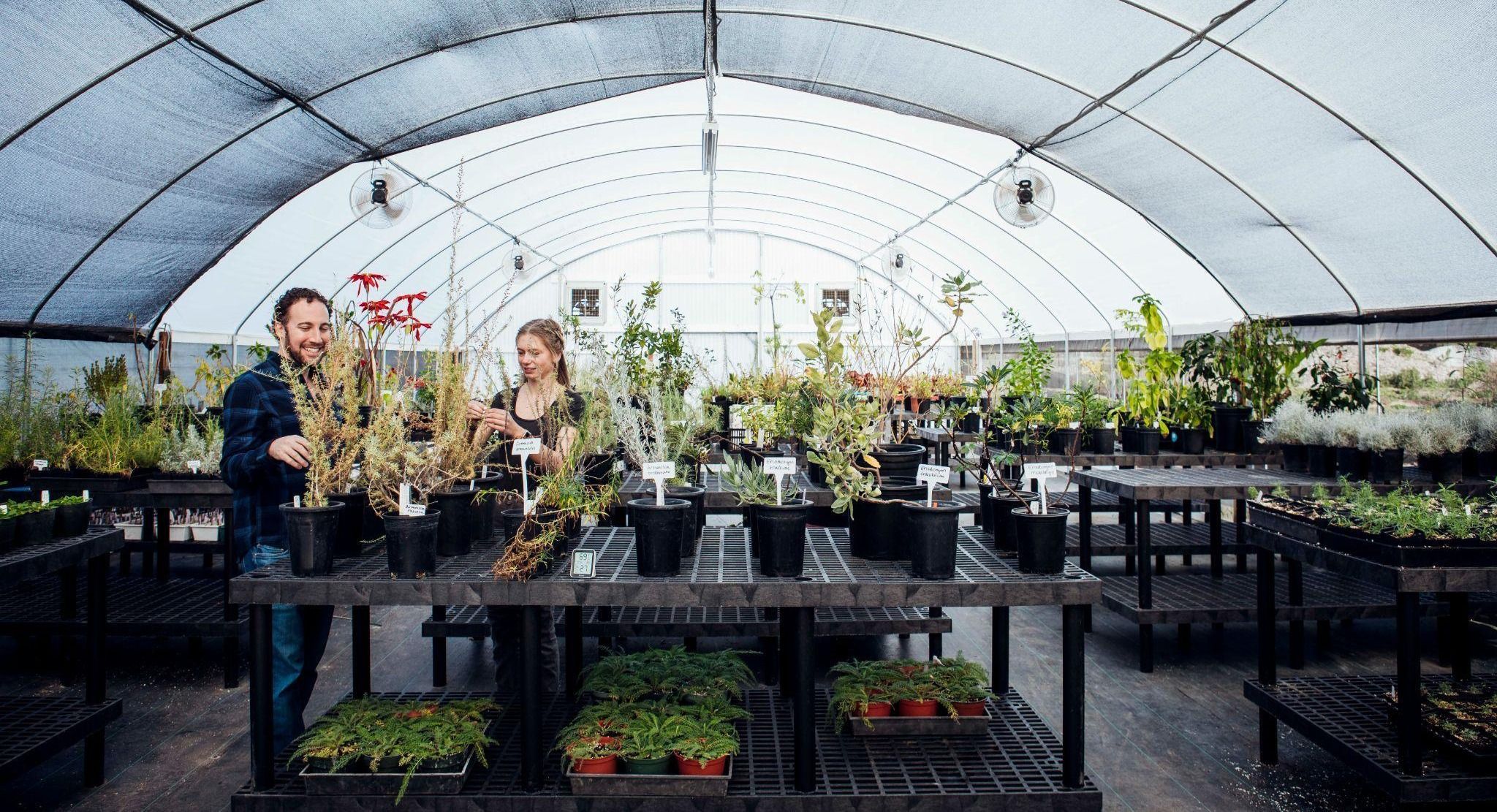
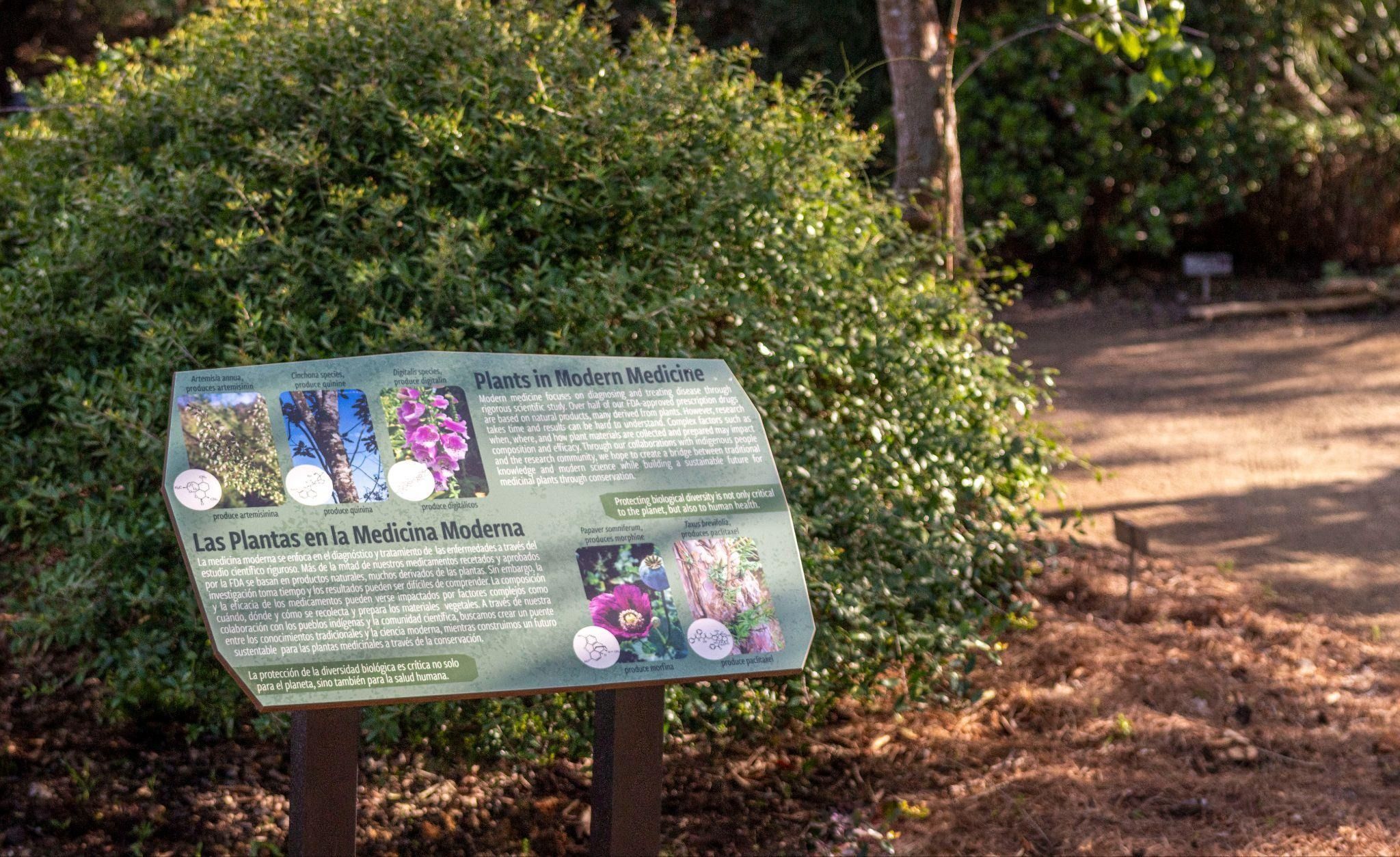
From the outset, we built a team that included members of all departments at San Diego Botanic Garden and many dedicated volunteers working together to advise, plan, and support every aspect of the project. From selecting targets for collection expansion, acquisition, and propagation to designing and maintaining the public medicinal plant gardens, the team operates together. The team also developed a new thematic garden with informative and interpretive signage, a self-guided tour app (SDBG on Android and Apple), and public programs and research projects to demonstrate the use of this tremendous resource.
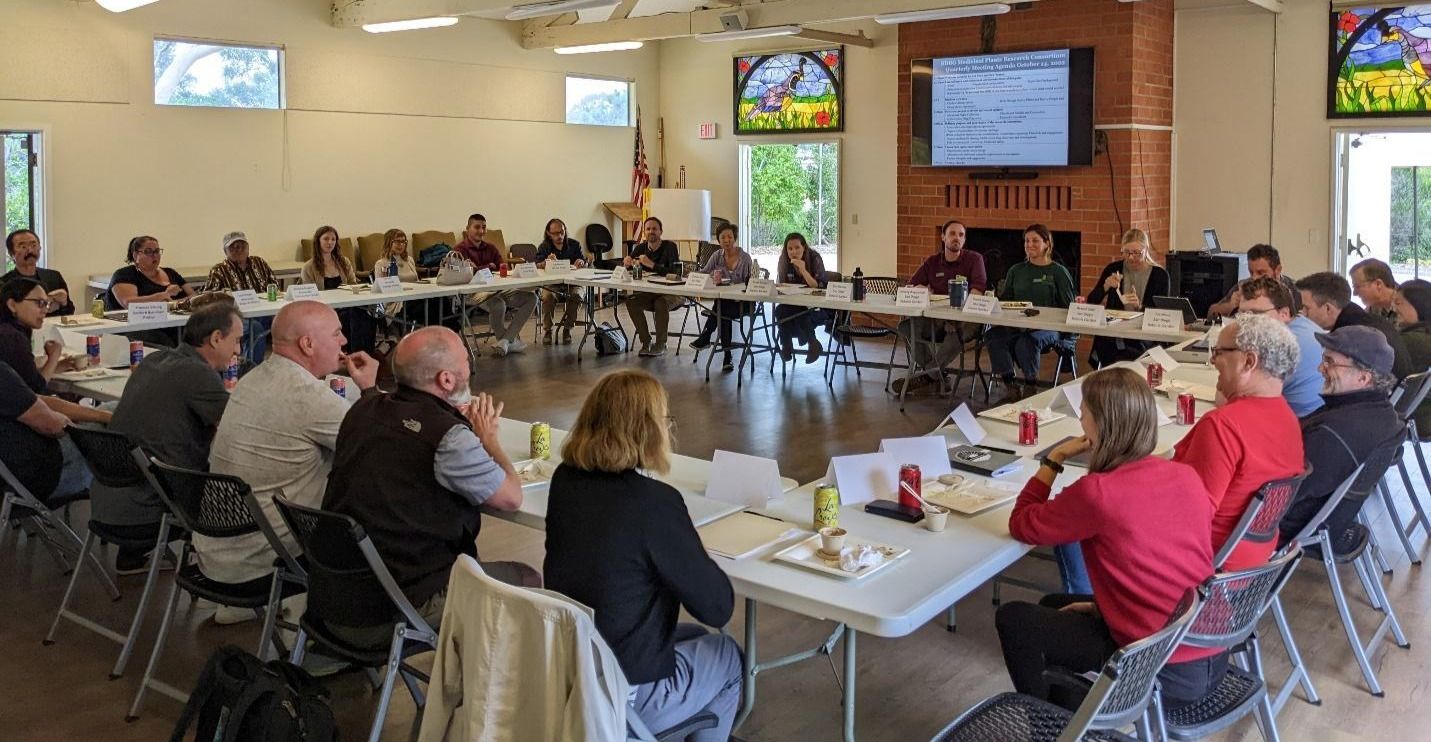
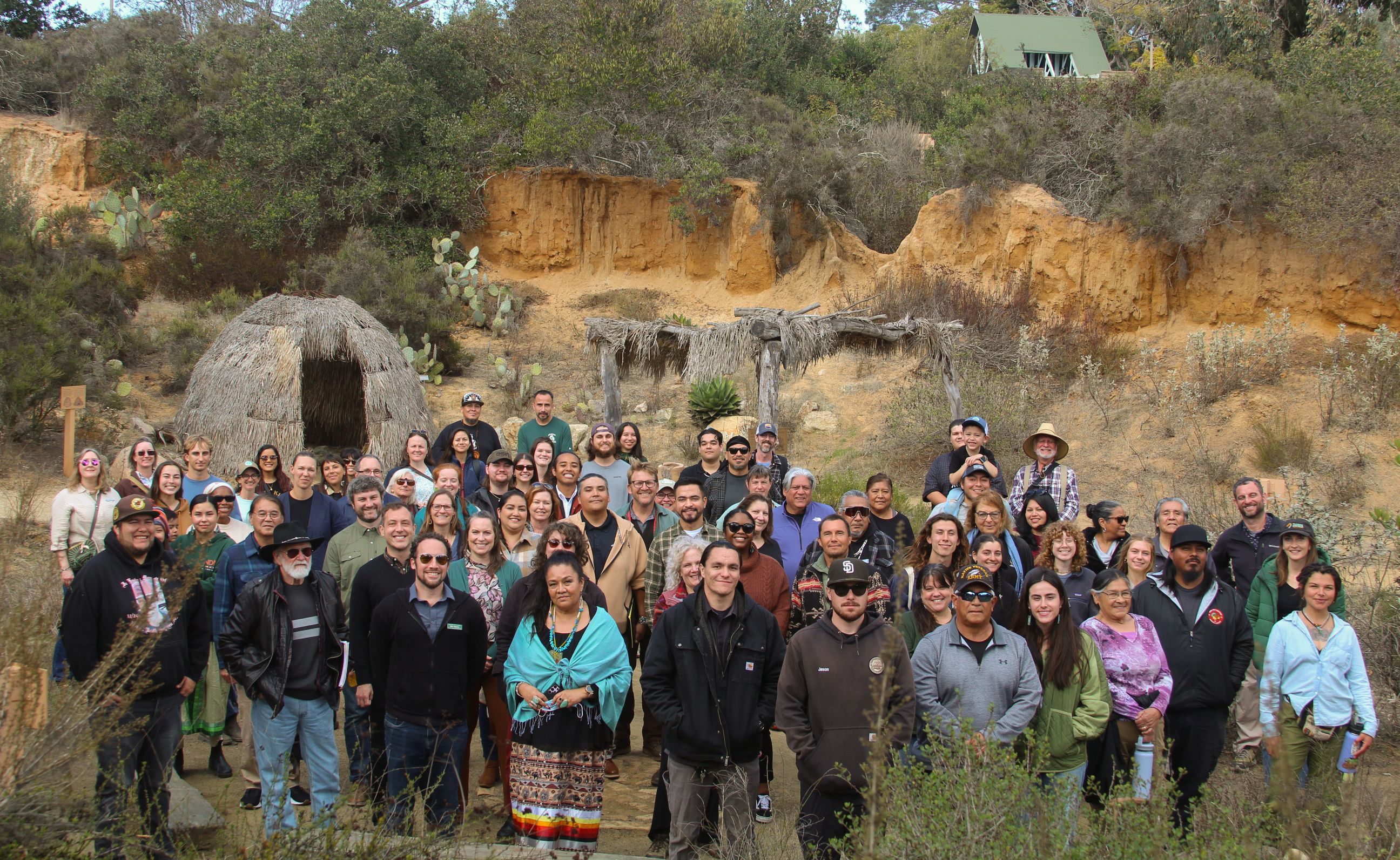
We also planned and grew the collection and the program with guidance and support from a broad group of partners. The team established an Interdisciplinary and Multi-Sector Medicinal Plants Research Consortium with local leaders in academia, industry, other nonprofits, Native American tribal governments and Indigenous-led organizations to approach and operate this program for science, conservation, and the community in a truly unique way. The consortium meetings led quickly to new institutional relationships, collaborative conservation and research projects, and better outcomes for our efforts than could ever have been imagined if work was being done in isolation.
Growing the collection and the data behind it
Over the last five years, with internal and external partnership, we have been intentionally expanding the medicinal plant collection to include target taxa especially from California and the Southwestern United States, and begun to reach outward across the country and the world through conservation partners and permitted field collections. We brought in germplasm as seeds, cuttings, and potted plants to expand the collection by almost 1,000 medicinal plant taxa. We began generating herbarium vouchers and other types of explant materials like DNA samples, phytochemical extracts, pollen, spores, and so on. Suddenly we found ourselves with significantly more data to manage than we had when we started the program. Thankfully, the helpful team at Hortis has been able to support our unification of multiple databases so that important information is all connected, organized, and rapidly searchable while our science and conservation programs continue to grow and develop alongside the living plant collection.
While all plants have the potential to be used medicinally once adequate processing, safety, efficacy, and biochemical studies have been performed, the traditional knowledge of medicinal plants that has been developed over thousands of years of use is immensely important and valuable. The Garden partners with Tribal communities, nonprofit organizations, academic institutions, and industry partners to research the incredible potential of medicinal plants to further contribute to human health and wellbeing. Our program includes the paramount aim of connecting traditional ecological knowledge with modern scientific analysis, and conservation of this important facet of biodiversity that has both direct and indirect impacts on human and planetary health. Through the development of the medicinal plant collection and program, San Diego Botanic Garden has become a meeting space, a green classroom, and a living laboratory—a place where learning extends beyond traditional school and university settings and brings the community together through shared discovery. At the heart of this work is a thriving, accessioned living plant collection that continues to grow and evolve, providing a foundation for education, research, and conservation.
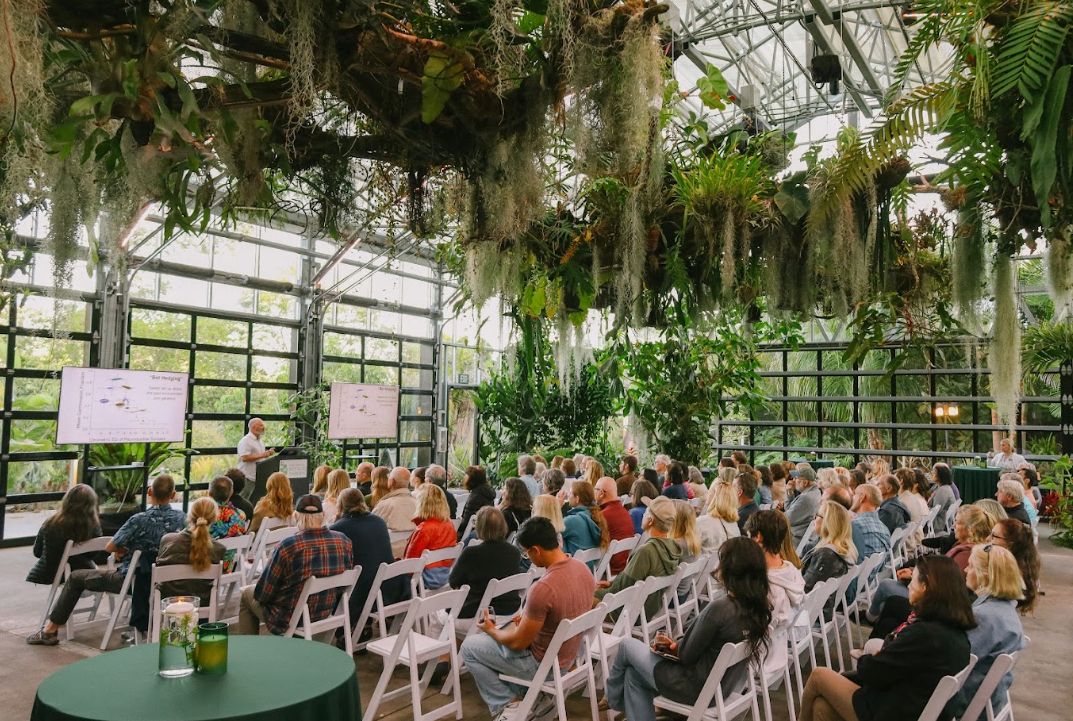
The San Diego Botanic Garden Medicinal Plants Collections and Research Consortium is made possible by funding from The Conrad Prebys Foundation, the Dickinson Family Foundation, and philanthropic donors. For more information, please visit www.sdbg.org.
Discover more from San Diego Botanic Garden, from planning a visit to keeping up with the latest news and updates.
San Diego Botanic Garden Links – Find their website, reserve tickets, join the newsletter and browse their latest Instagram posts all in one place.