Embracing the In-Situ Experience
Why showing up in person still matters
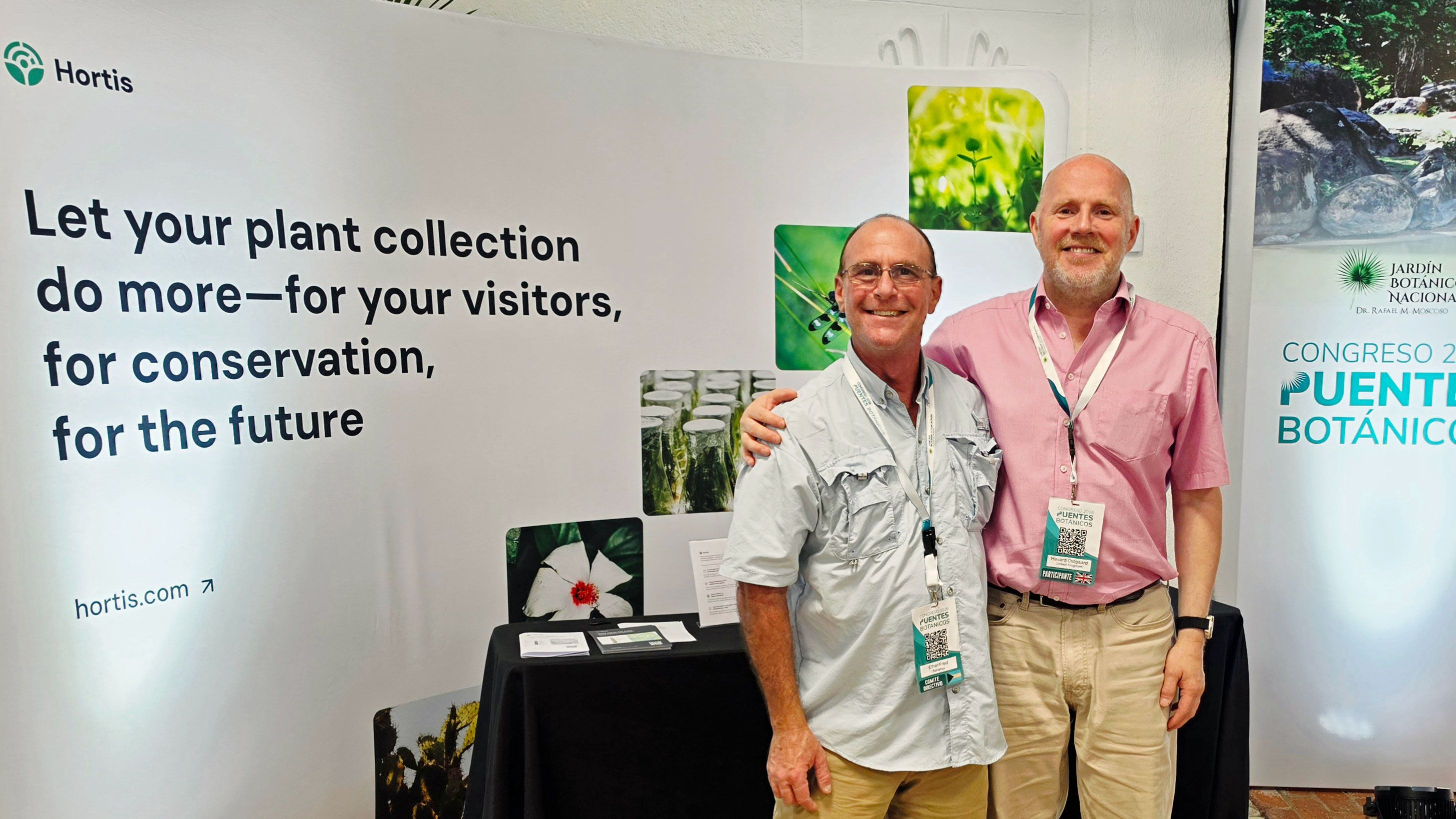
Our work at Hortis is first and foremost driven by the feedback we receive from the botanic garden community. With customers across all botanical continents, it is neither practical nor sustainable to meet every one of our users face to face, and the broad adoption of video conferencing tools has been a genuine blessing. The convenience of a Zoom call is wonderful, but it is still a poor substitute for being in the room. This is why our team has made a conscious decision to be more proactive about attending regional events, and when the opportunity arose to connect with both the Caribbean and Central American Botanic Gardens Network (CCABGN) and the Center for Plant Conservation (CPC) network, we were truly excited.
We join these events to listen, hoping to understand what people are grappling with, what is top of mind, and where there are genuine opportunities to help the community through technological innovation. We are also very aware that many of the principles underpinning traditional collection management have their roots in paper-based workflows. Hortis, being fully cloud-based and available on any device, is arguably the first truly digital living collection management platform, and this opens up real possibilities for end-to-end digital workflows that reduce friction and free up time. But we are equally mindful that our community will always want to spend as much time as possible looking after their collections and supporting their gardens' mission. Designing tools that help people focus on what truly matters, rather than adding to the administrative burden, is something we think about constantly.
So it was with that spirit, curious, grounded, and genuinely in-person, that we headed out this spring.
Two conferences, one clear message
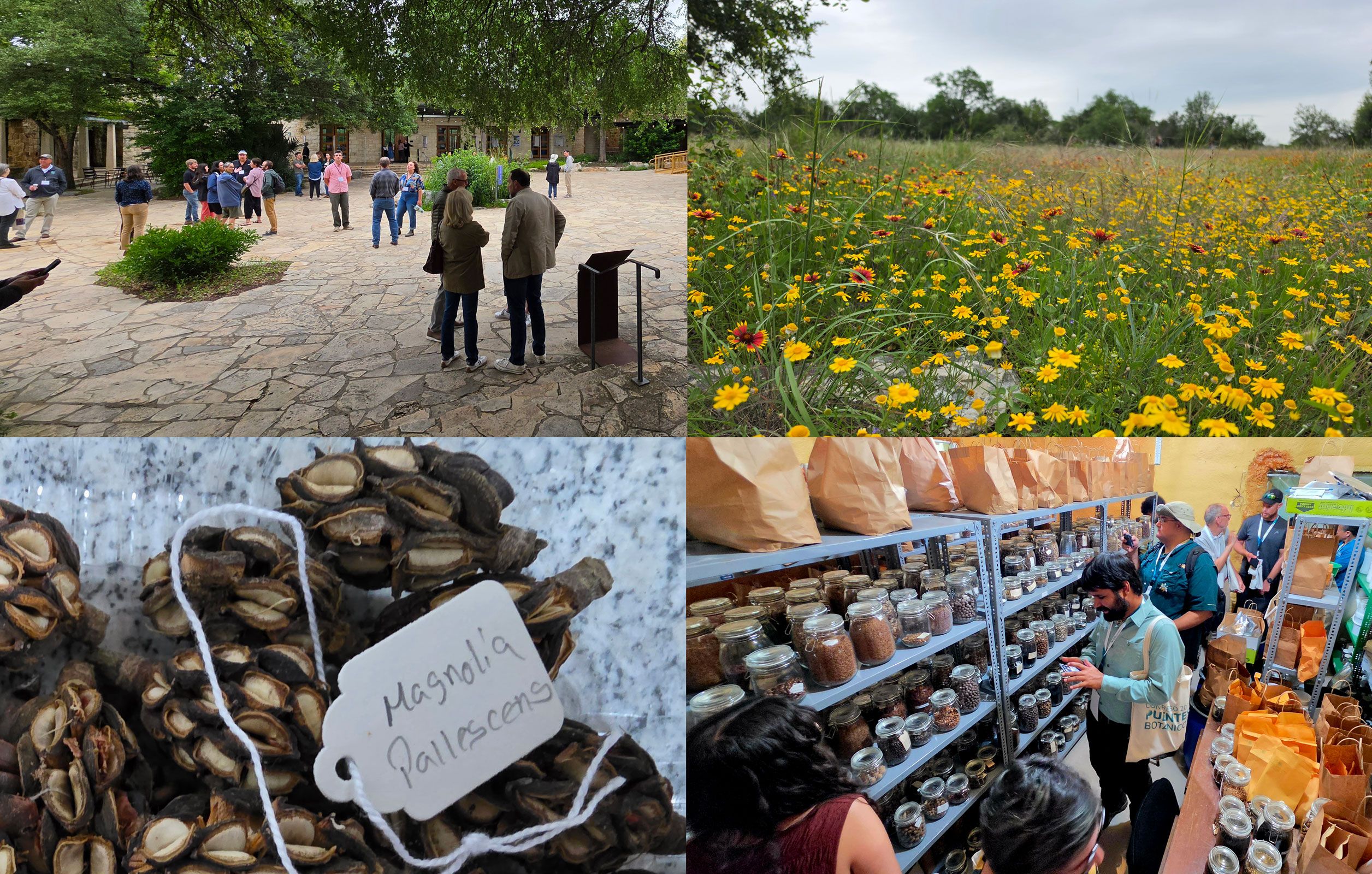
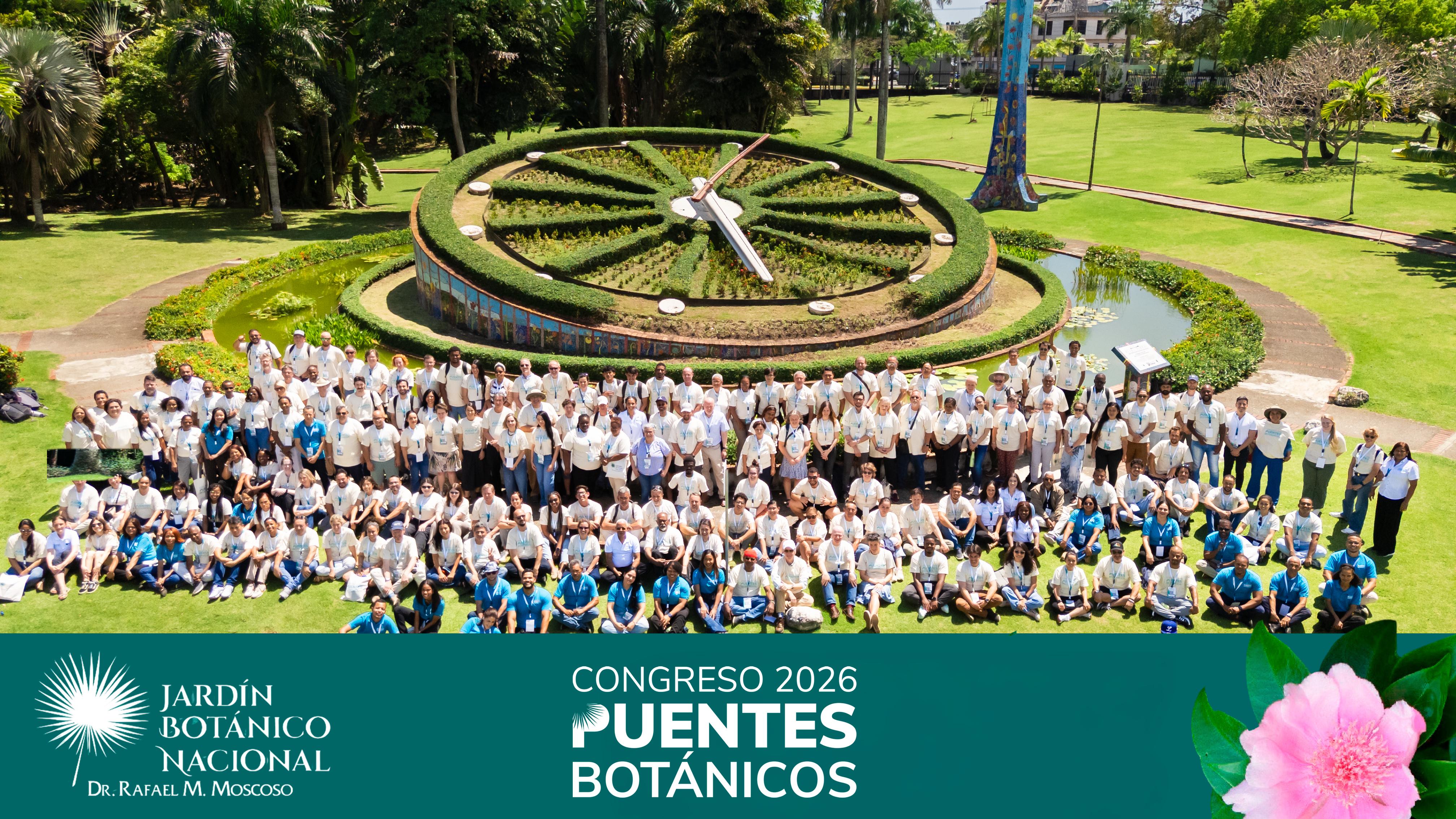
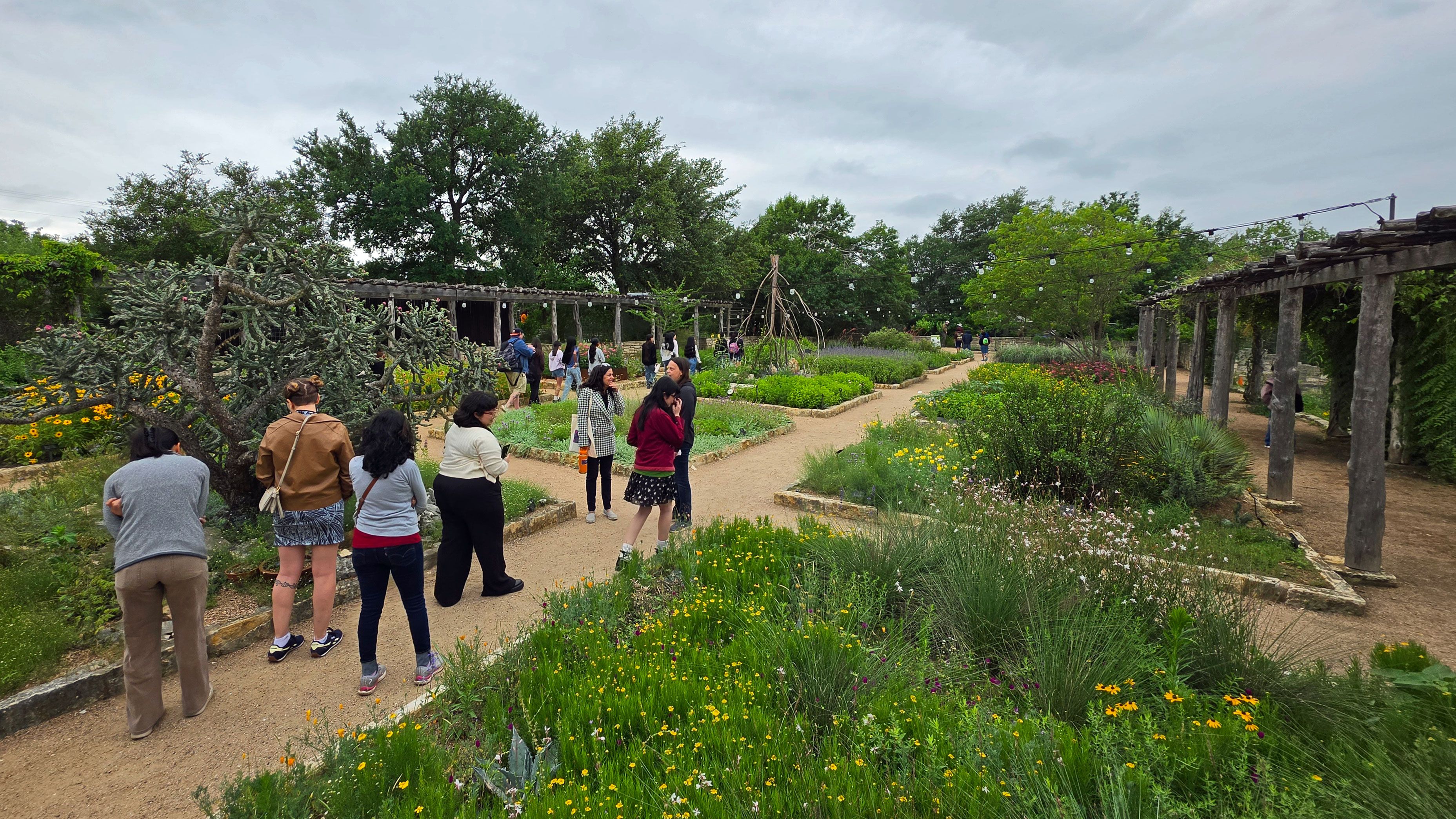
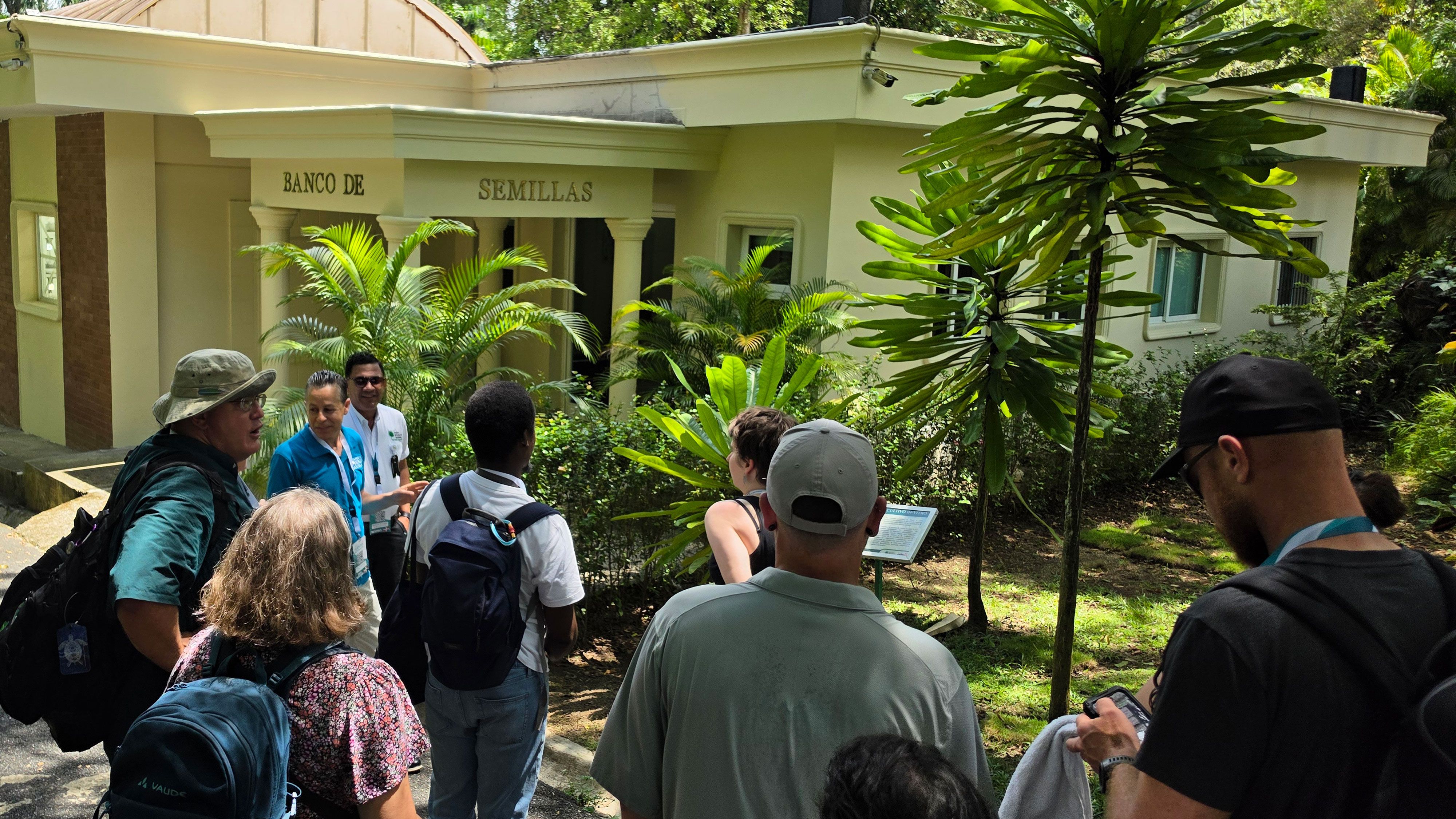
It was a great pleasure to attend two conferences this spring, both of whose focus was on plant conservation. The first was the 2026 Botanical Bridges Congress, held in late April at the Jardín Botánico Nacional Dr. Rafael M. Moscoso in Santo Domingo, Dominican Republic, the largest botanical garden in the country and a vital centre for Caribbean plant research and education. Organised by the CCABGN together with Botanic Gardens Conservation International (BGCI), the congress brought together botanical experts and conservation professionals from 32 countries across the region, sharing knowledge on themes ranging from plant conservation and climate resilience to living collection management and capacity building. The second was the CPC National Meeting, hosted by the Center for Plant Conservation at the Lady Bird Johnson Wildflower Center in Austin, Texas in early May, under the theme Preserving Plants, Sustaining Places: An Integrated Approach to Rare Plant Conservation and Recovery.
Attending both events back to back, we were struck by the shared message that the long-standing separation between in-situ and ex-situ conservation is giving way to a more holistic approach. The conservation community appears to be navigating towards what has become known as the One Plan Approach.
From parallel tracks to one plan
This is not simply a fashionable idea. It reflects a genuine shift in thinking that has been building for some time. For much of the twentieth century, conservation efforts tended to run on parallel tracks, with field biologists and botanical garden specialists each developing their own plans in relative isolation. The negotiation of the Convention on Biological Diversity marked a turning point, moving the field away from what researchers have described as a purely technologically driven approach of "putting germplasm safely away for the future," towards a more integrated model that places equal weight on protecting species where they actually live. More recently, the IUCN's One Plan Approach has formalised this thinking, bringing wild and managed populations into the same conservation conversation rather than treating them as separate concerns.
Both conferences made clear that integration is not just a matter of policy, it is a practical necessity, particularly in the tropics. Tropical plant species face disproportionate pressure, with research suggesting they are roughly twice as threatened as their temperate counterparts, largely due to the pace of habitat conversion in these regions. Ex-situ methods such as seed banking have been invaluable, but they have real limitations when it comes to tropical flora. A significant proportion of tropical and subtropical plants produce what are known as recalcitrant seeds, which cannot tolerate the drying and cold storage that standard seed banks rely on. For a substantial share of the species most urgently in need of protection, ex-situ conservation alone simply cannot be the whole answer. Strengthening the ability of these plants to survive in their natural habitats is not just preferable, in many cases it is the only viable path.
Local collections, global impact
Perhaps the most encouraging theme to emerge from both gatherings was the role that smaller, regional gardens can play. In the tropics especially, conservation is first and foremost a local endeavour. The species are there, the ecological knowledge is there, and increasingly the institutional will is there too. Smaller botanical gardens and local conservation programmes are well placed to contribute to integrated strategies, not only by maintaining living collections and seed banks, but by supporting habitat restoration, informing reintroduction efforts, and serving as genuine hubs for community engagement and environmental education. As the Botanical Bridges Congress showed, networks of such institutions across the Caribbean and Central America are already doing precisely this, pooling resources and expertise in ways that no single large institution could manage alone. The momentum at both events suggests that this model, collaborative, locally grounded, and bridging the in-situ and ex-situ divide, is very much where plant conservation is heading. Underpinning all of this is the need for reliable, accessible data, which is the thread that holds it all together, and to facilitate this is the core mission at Hortis.
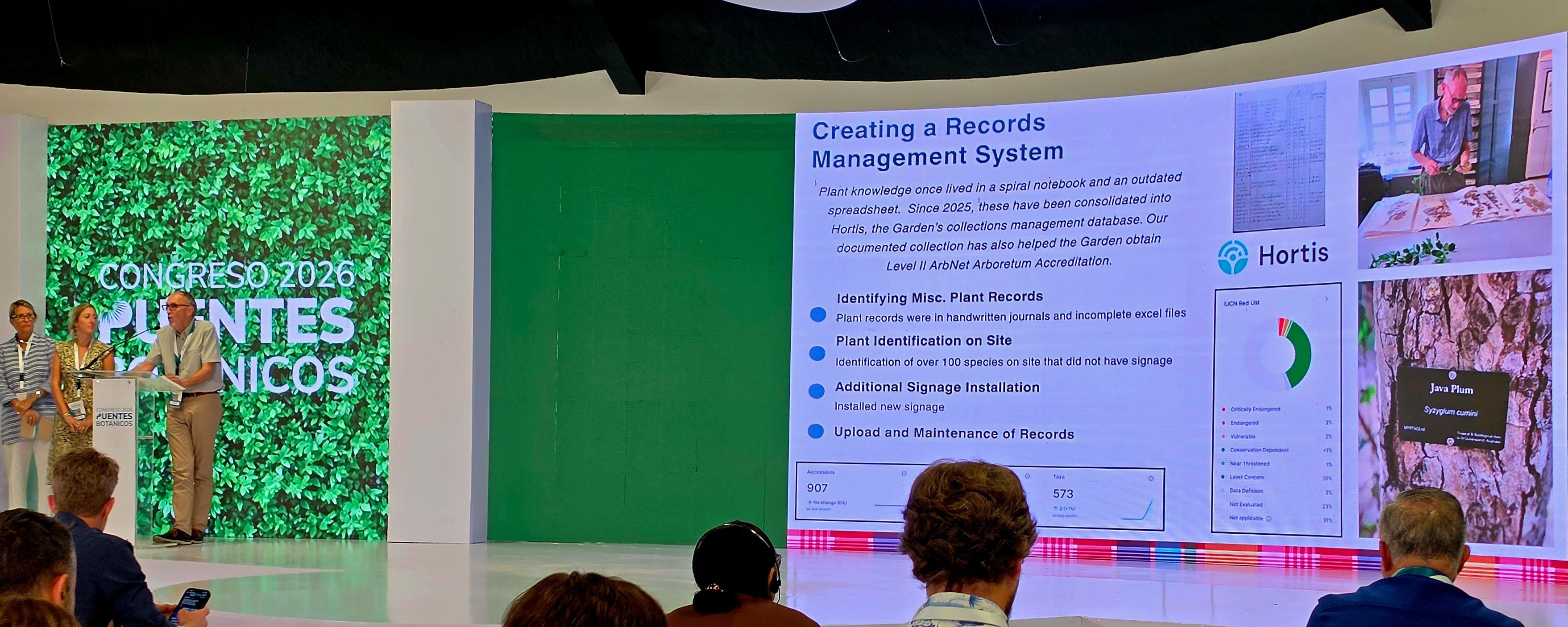
Presenting at the Botanical Bridges Congress
A version of the recording, using Spanish slides, can be viewed here.
Connect with your network
We would like to take this opportunity to encourage anyone not yet connected to one of these networks to consider joining. If you are based in the Caribbean or Central America, or if your collection focuses on that flora, CCABGN is an invaluable community to be part of. If you are based in America, the CPC is a remarkable organisation with now over 80 institutional conservation partners and a depth of shared expertise that is hard to find elsewhere. Both meetings have nearly doubled in attendance since their previous editions, with close to 200 delegates at each event this year. That kind of growth speaks for itself.
For those working anywhere in the world, BGCI remains the pre-eminent global plant conservation network and a key partner of CCABGN. If you are not yet a member, it is well worth exploring what membership could mean for your institution.
We came away from both events genuinely energised, and a large part of that was simply being around people who care deeply about the same things. These networks exist to make that possible, and we think that counts for a lot.
The birth of a new Arboretum
One of the unexpected highlights of our Texas trip was being invited by CEO Adriana Quiñones to visit the Arboretum San Antonio, a remarkable project currently taking shape on the south side of the city.
The vision was first articulated in 2021 by founder Henry Cisneros, former Mayor of San Antonio, who made the case for a place where the trees of the South Texas region could be celebrated, studied, and enjoyed by the whole community. What followed was a planning process that directly engaged over 18,000 residents before a master plan was finalised, with the arboretum expected to be publicly accessible in some form by 2028.
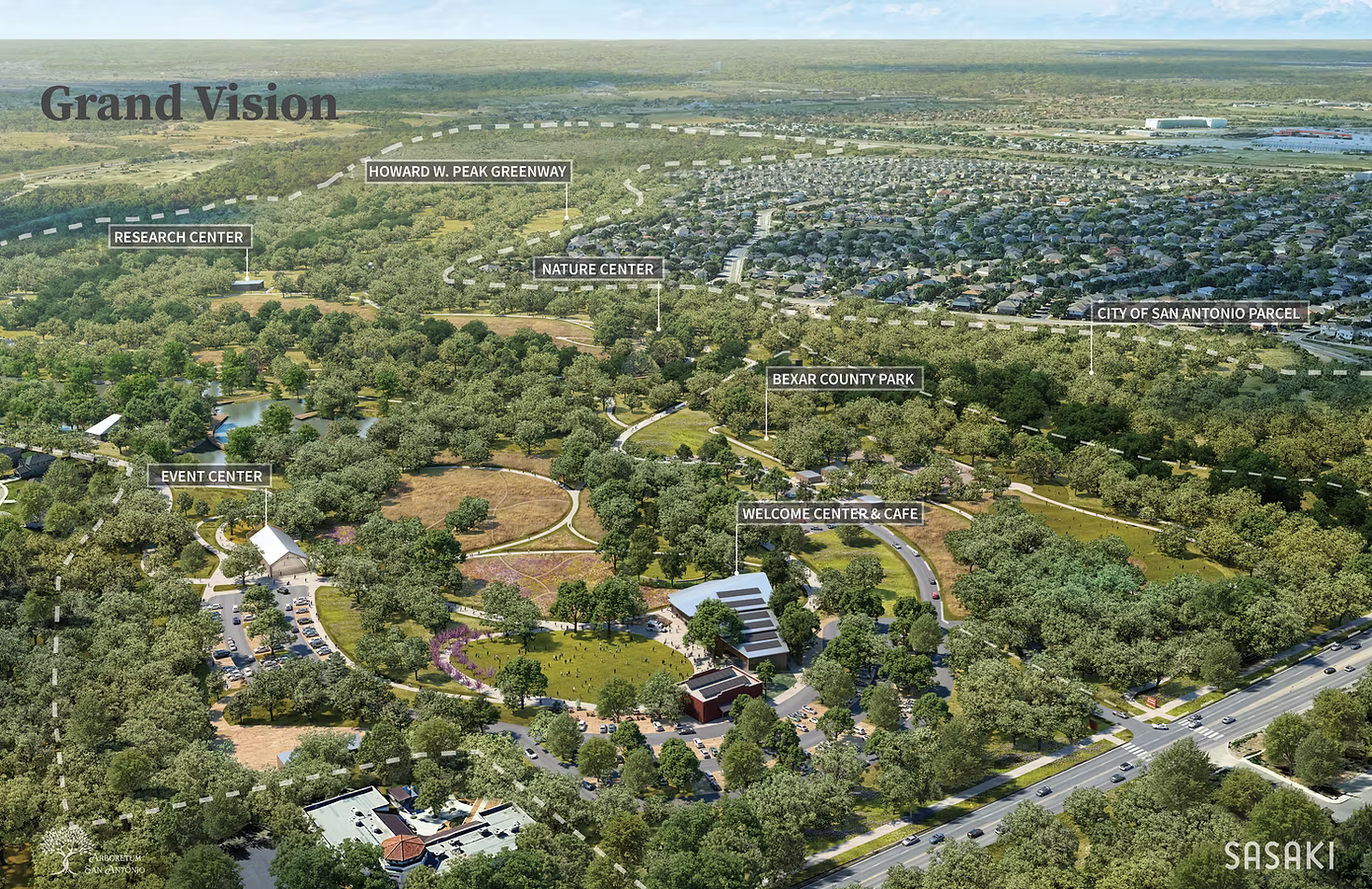
What struck us about this project is how well it embodies many of the themes that ran through both conferences. Research into how trees are responding to a changing regional climate sits alongside accessible public programming and a strong focus on the indigenous legacies and cultural heritage of South Texas. It is exactly the kind of locally grounded, community-centred institution that the conservation world needs more of, and we will be watching this one with great interest.
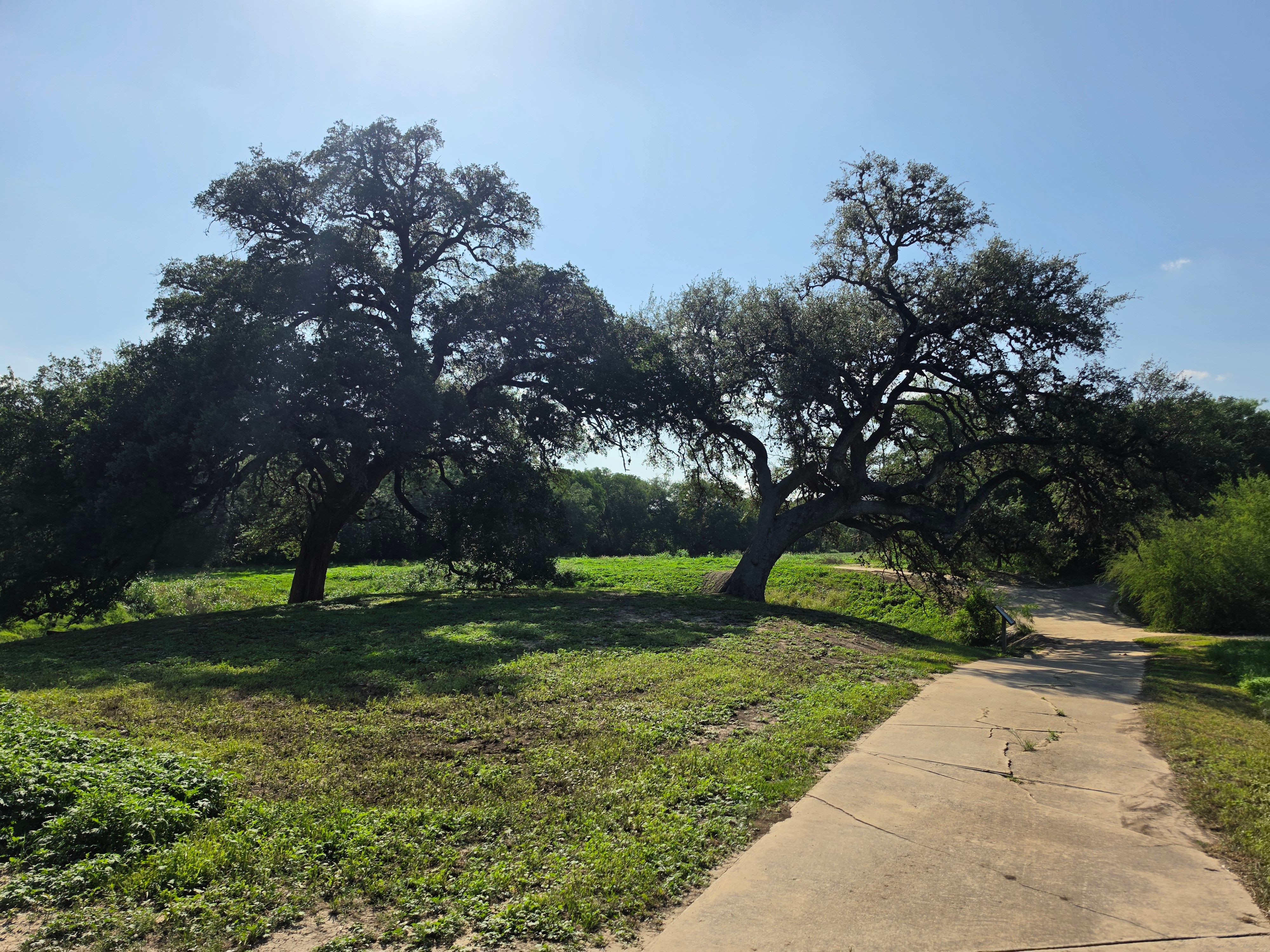
Connecting with people and plants
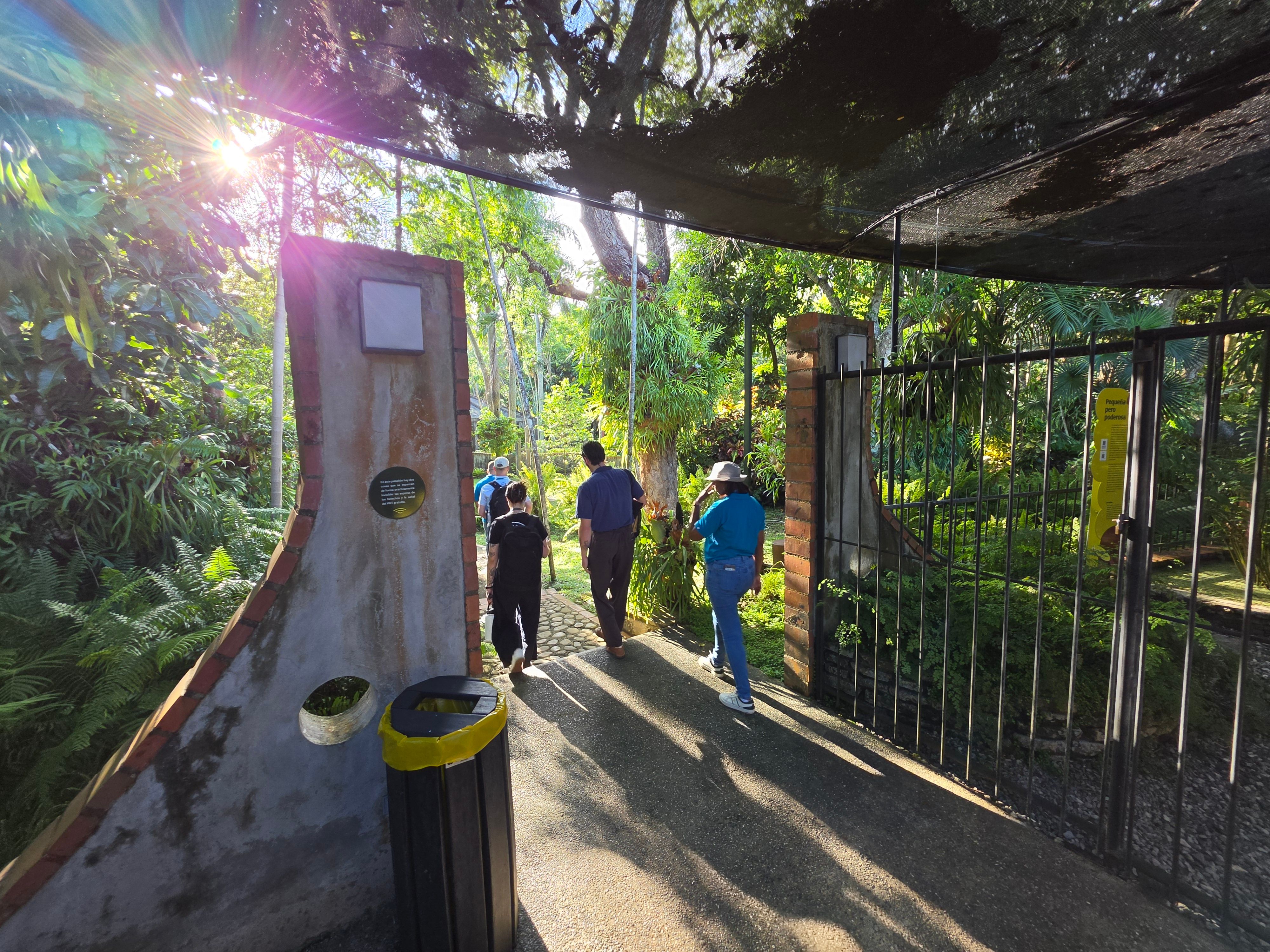
A few snapshots to bring the trip to life — enjoy the highlights!
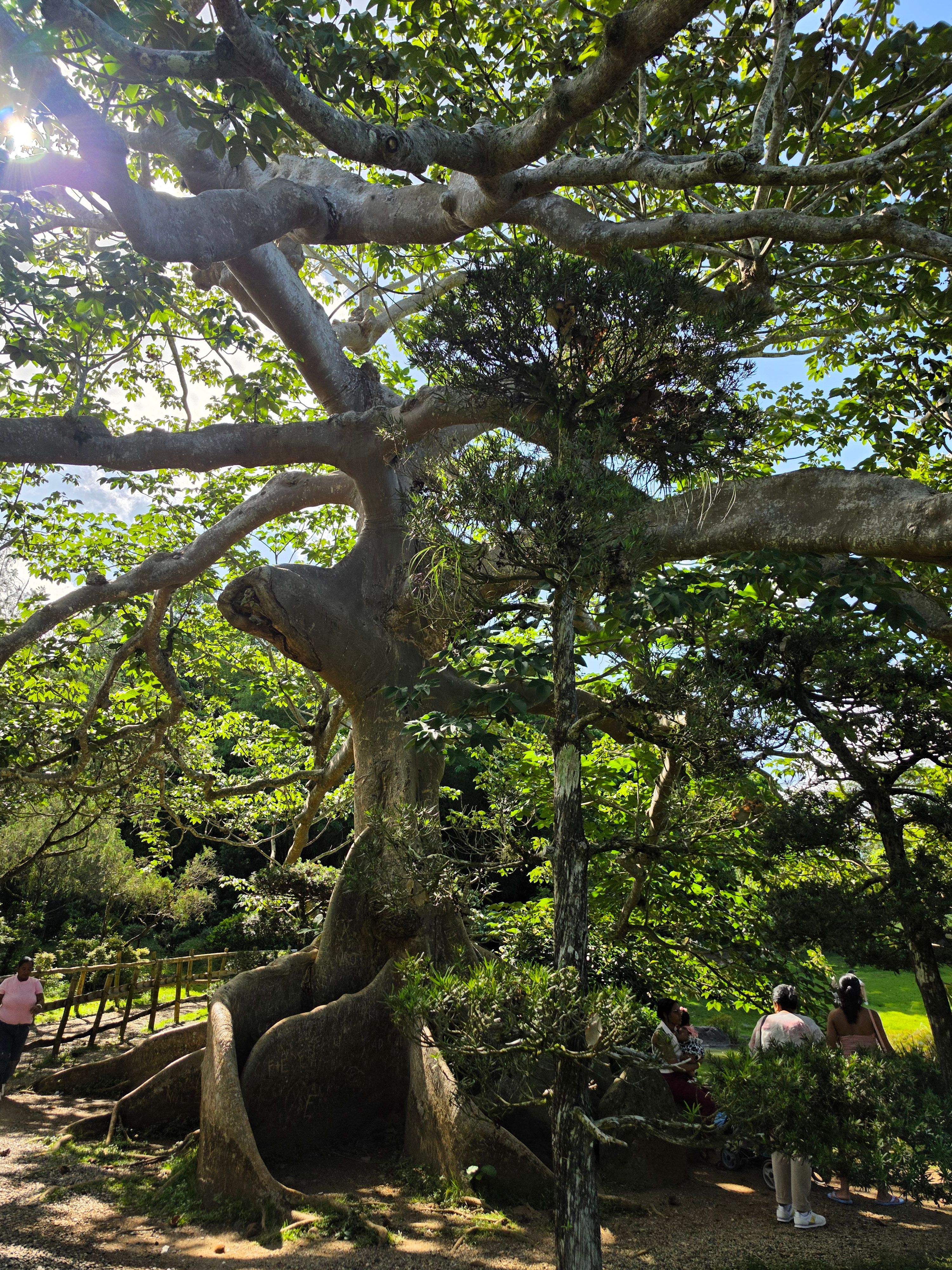
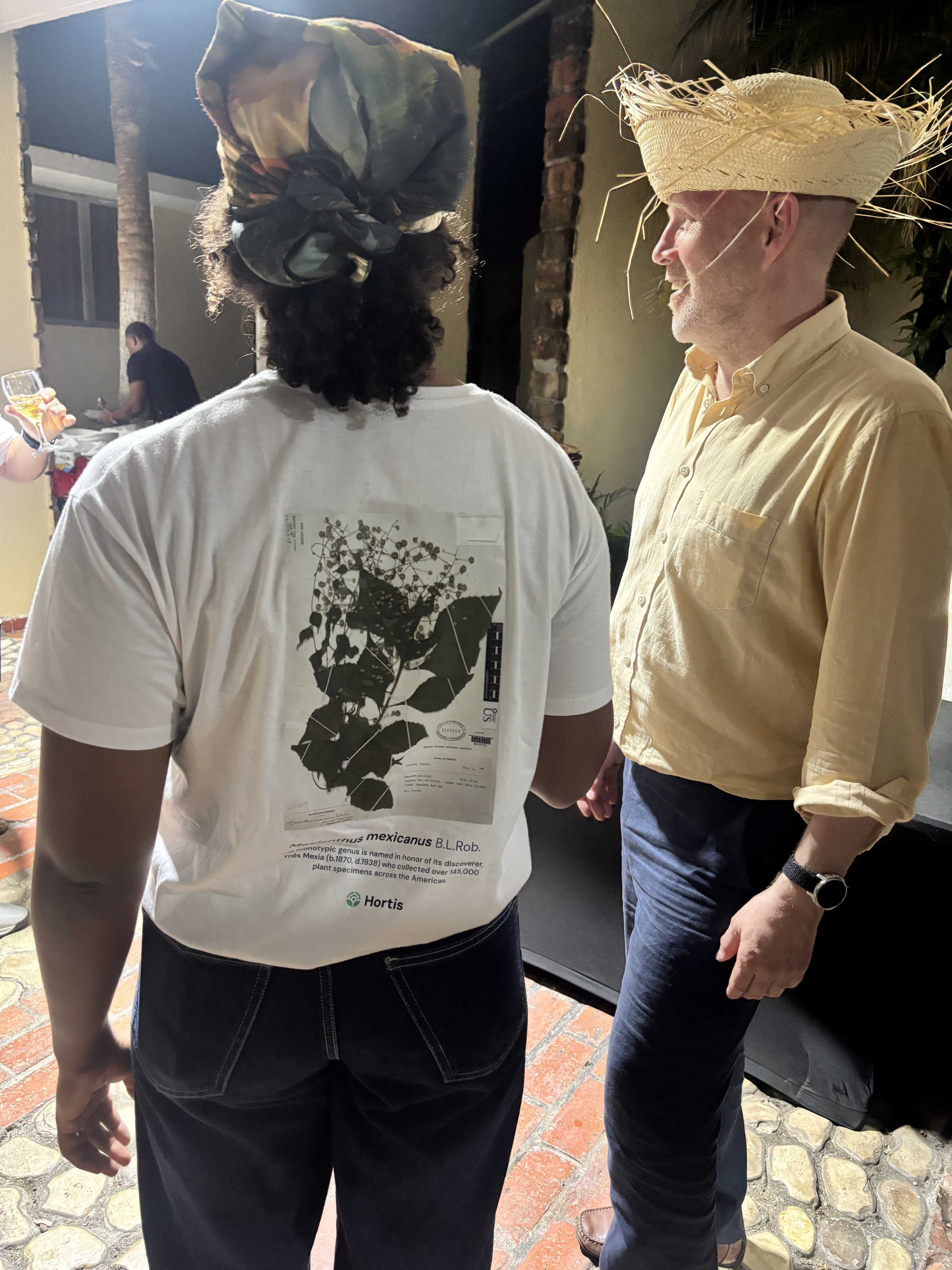
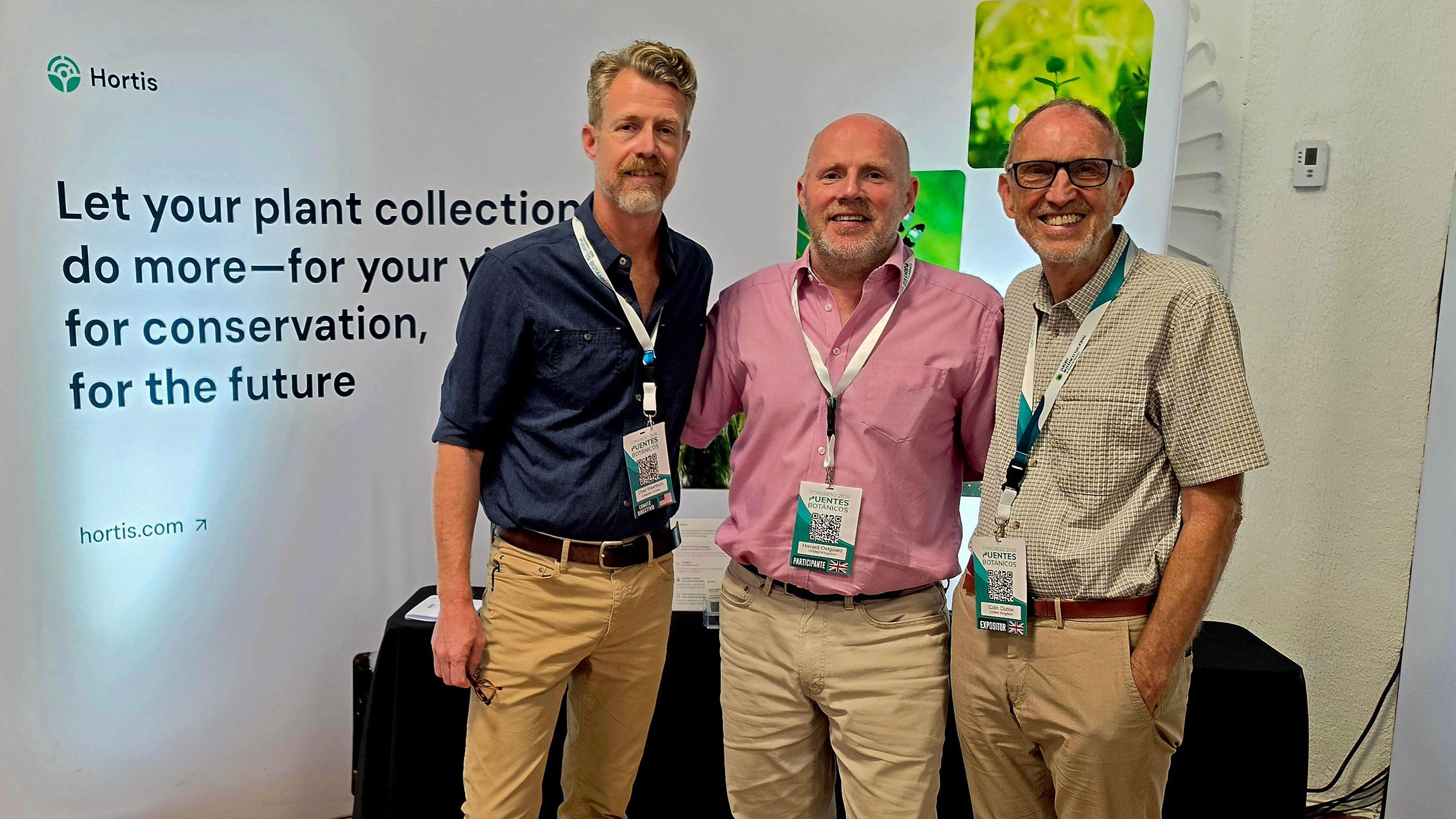
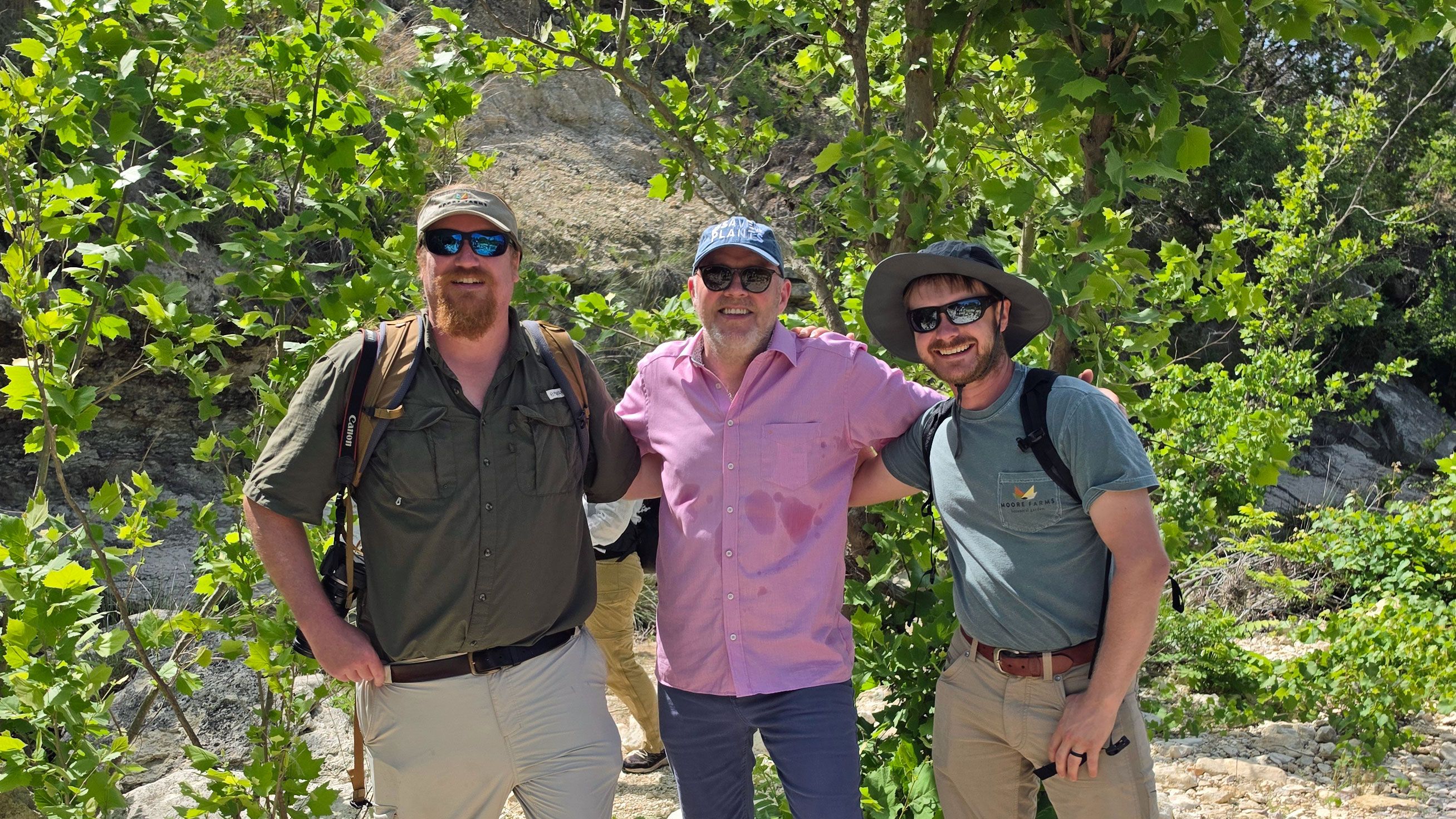

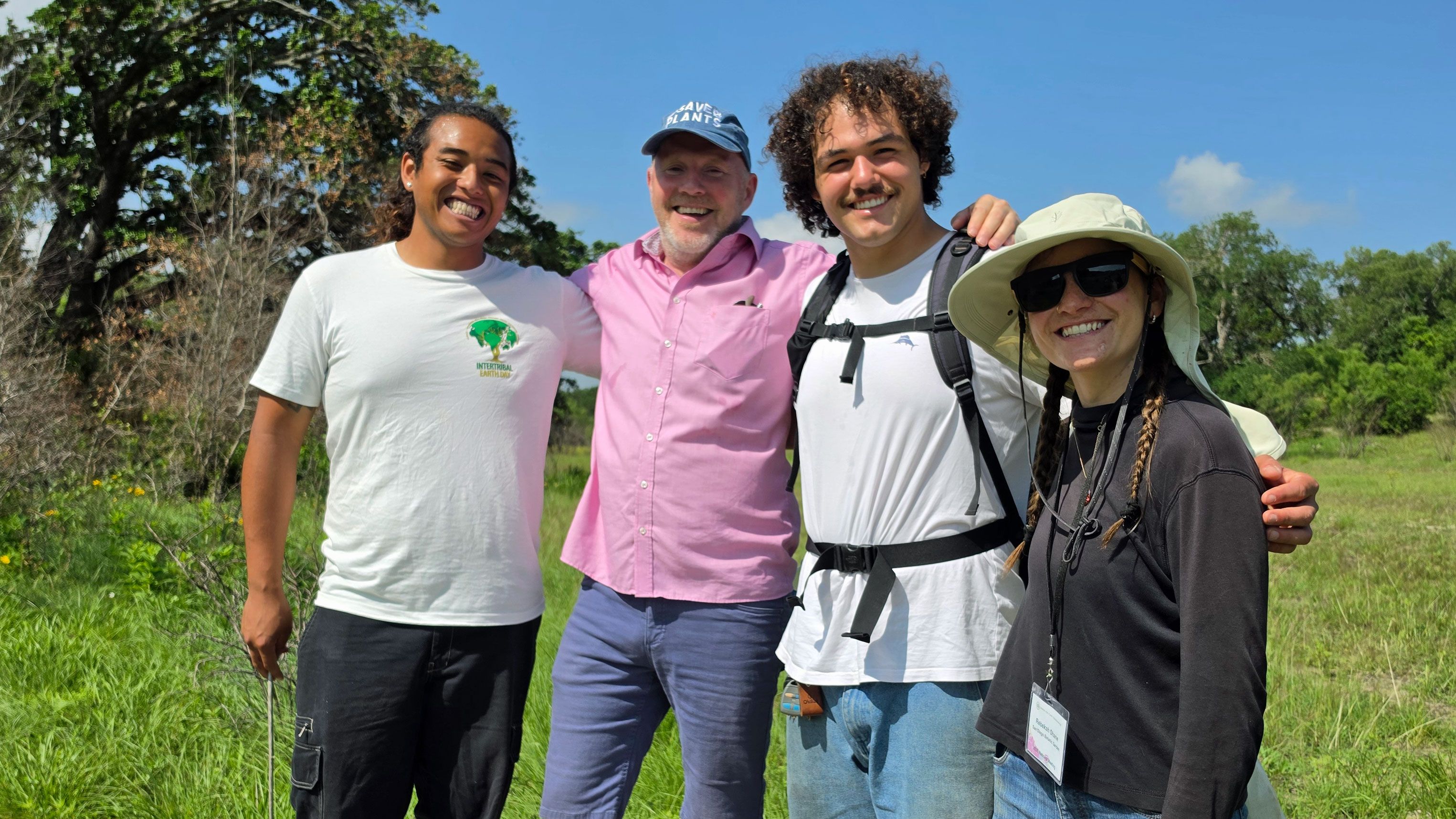
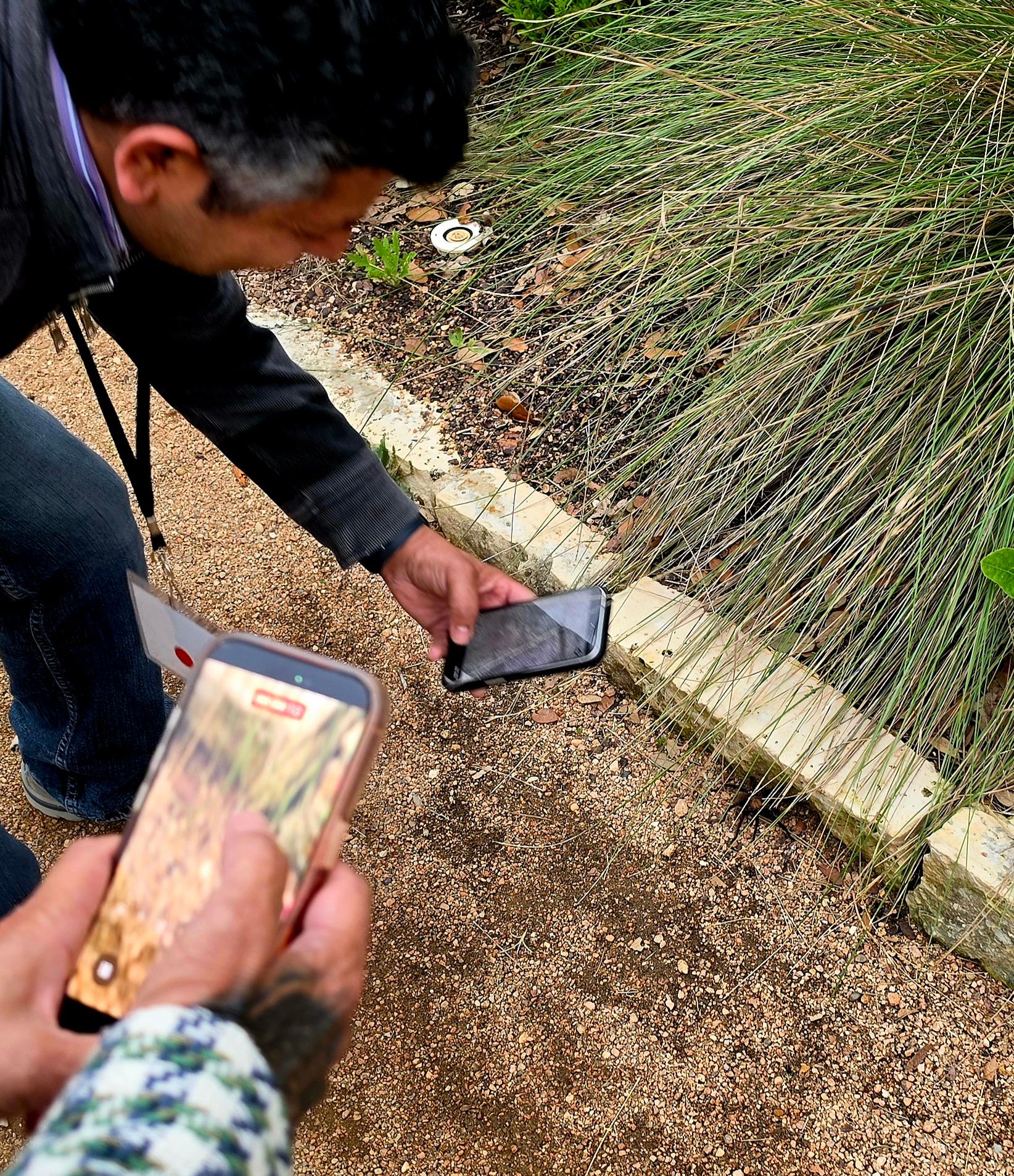
Plant conservation vibes
Congratulations — you made it to the end! As a little bonus, I wrote a tune to mark the occasion called Photosynthesis and Love. You can find it on Spotify, YouTube, and other streaming platforms. Enjoy!