Plant Conservation, GIS and Good Company at APGA 2026

This is the 14th time I have attended the Annual American Public Garden Association (APGA) Conference, and it is five years since we officially launched Hortis. The launch was somewhat muted, arriving as it did in the midst of COVID, but we are deeply grateful to everyone who believed in us in those early days. The Hortis community now consists of nearly 200 gardens across six continents, and the North American gardens play a very important role in helping us evolve.
Inspiring Innovation
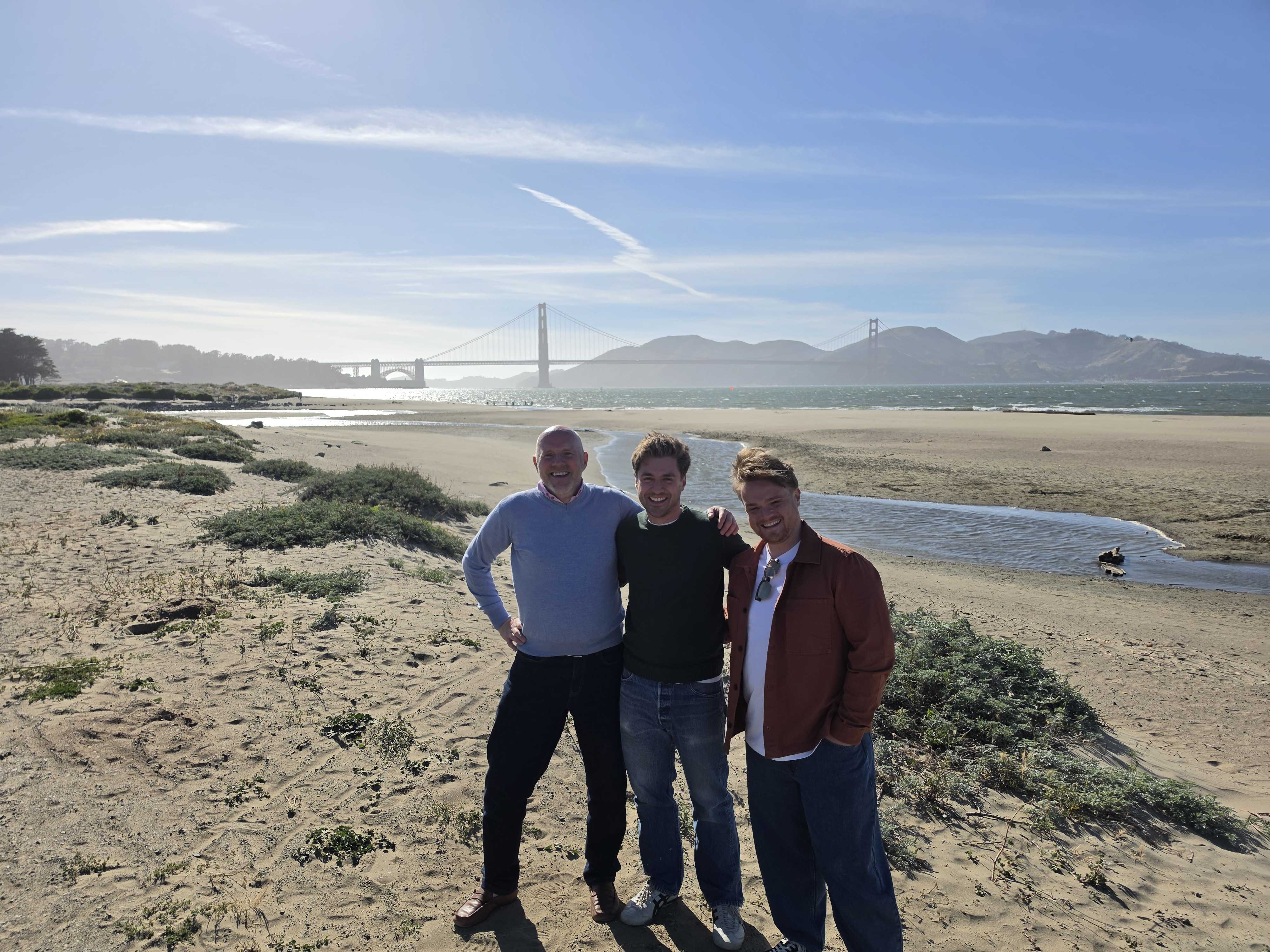
At the conference, I had the pleasure of being joined by two of my colleagues: our Growth Curator, Jamie and our Tech Lead, Miles. With three of us attending this year, we had more opportunities to sit in on sessions alongside looking after our booth. Rather than running through a long list of great talks, I wanted to highlight two topics that particularly caught my attention.
Conserving Biodiversity
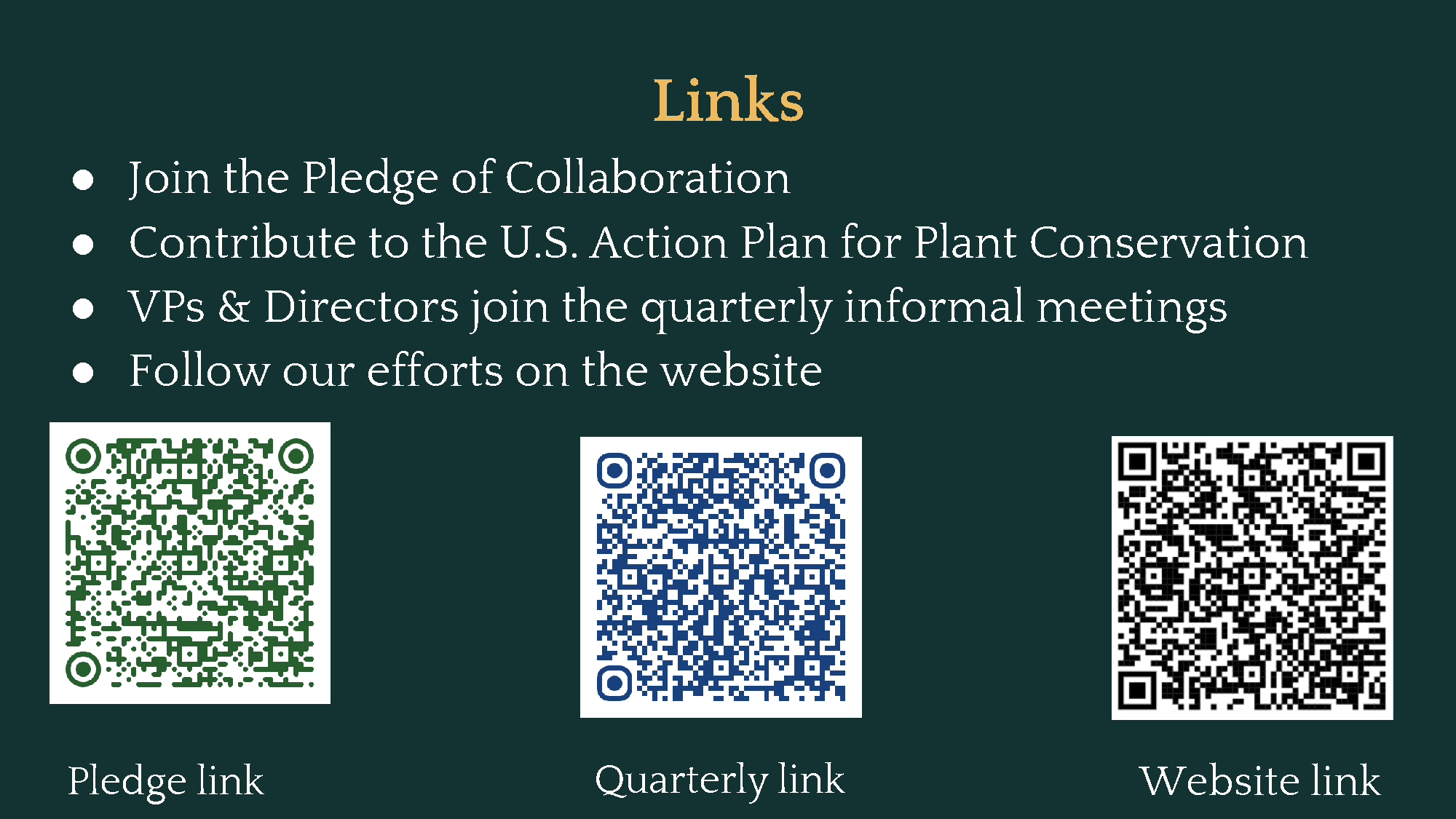
Similar to other conferences we have attended this year, and by no means unexpectedly, many sessions focused on plant conservation. I would like to highlight one in particular: "Building a US Action Plan for Plant Conservation," a joint initiative between the APGA, Botanical Garden Conservation International (BGCI), and Center for Plant Conservation (CPC). The goal of this is to engage botanic gardens in the US in collective action for conservation, and it stands as an open invitation to any garden wanting to get more involved. What I particularly appreciated was the clarity of approach, with clear guidelines, concrete actions, and dedicated working groups to move things forward. For gardens wanting to engage or deepen their contribution to plant conservation, there is really no reason to wait any longer.
If you'd like to engage and learn more we have added the resource links slide from the presentation below. Alternatively, there is a recording from the CPC conference earlier this year that I think you will find helpful [link].
From Silo to Standard: Why Mapping Deserves the Word Processor Moment
To show my age, I have a sense of flashback to the word processor wars between WordPerfect and Microsoft Word. During that era, the concept of preparing formatted documents was locked into a product and you were either in one camp or the other. Today, rich text editing with advanced formatting is fully integrated into almost every modern platform, including Hortis. The concepts are universal, and the content moves freely across tools.
Geographic mapping still feels somewhat stuck in that earlier mindset, a siloed discipline performed within a specific set of tools, where Esri's ArcGIS and the open-source product QGIS are the dominant players. At the conference, this was unmistakable: GIS was top of mind for many, and it is clear that gardens are actively investing in mapping. The assumption, often unspoken, is that serious mapping requires serious GIS infrastructure.
With Hortis, our commitment is to challenge that assumption. Not by replacing GIS, but by removing the barrier to entry. We call it botanical GIS: the powerful mapping capabilities most botanic gardens are actually looking for, without the complexity that comes with enterprise GIS platforms.
The word processor analogy holds in one more important way: when rich text editing became universal, it didn't kill Microsoft Word. Professionals who needed advanced features kept using it, and still do. What changed was that everyone else no longer had to.
That's the future we're working toward with mapping in Hortis. We don't see professional GIS platforms as competitors; we see them as part of the ecosystem we want to connect to. For gardens already invested in these platforms, Hortis is designed to work alongside them: Hosted map layers can surface within Hortis as base maps, and collection data managed in Hortis can be consumed as map layers within GIS tools for deeper spatial analysis. Staff who prefer doing that work in their tool of choice can continue to do so, without friction.
For gardens where GIS extends well beyond the plant collection, into facilities management, land stewardship, or cross-departmental workflows, that integration will only deepen over time. But for the many gardens where mapping is the plant collection, we want that capability to feel as natural and accessible as writing a document. No specialist required. No separate system to maintain. Allowing people to focus on the work at hand without technology getting in the way.
Mapping shouldn't require a GIS department. But if you have one, Hortis should feel right at home with them too.
Thanks to a Seemingly Endless Enjoyment of Wondrous Californian Flora
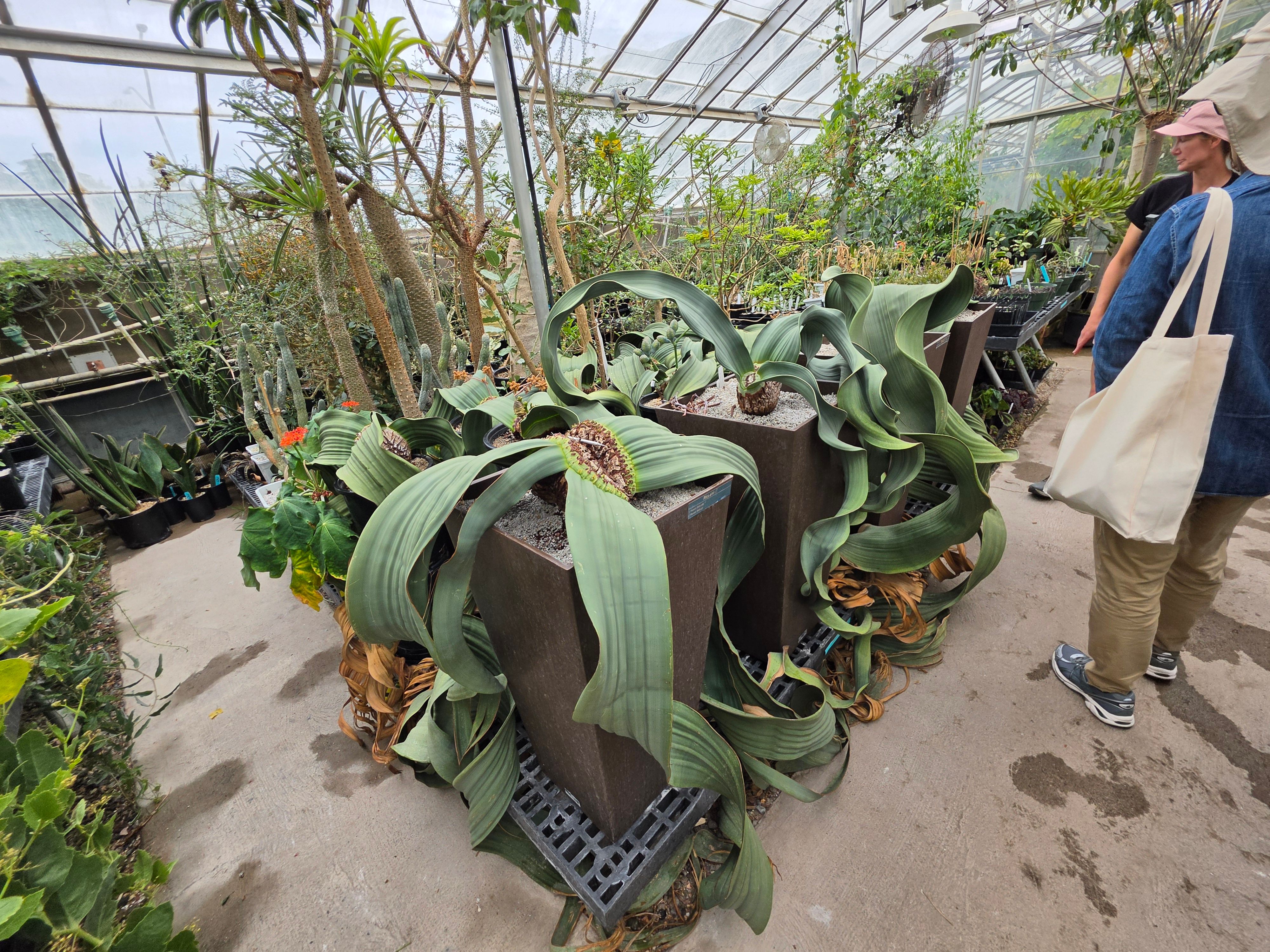
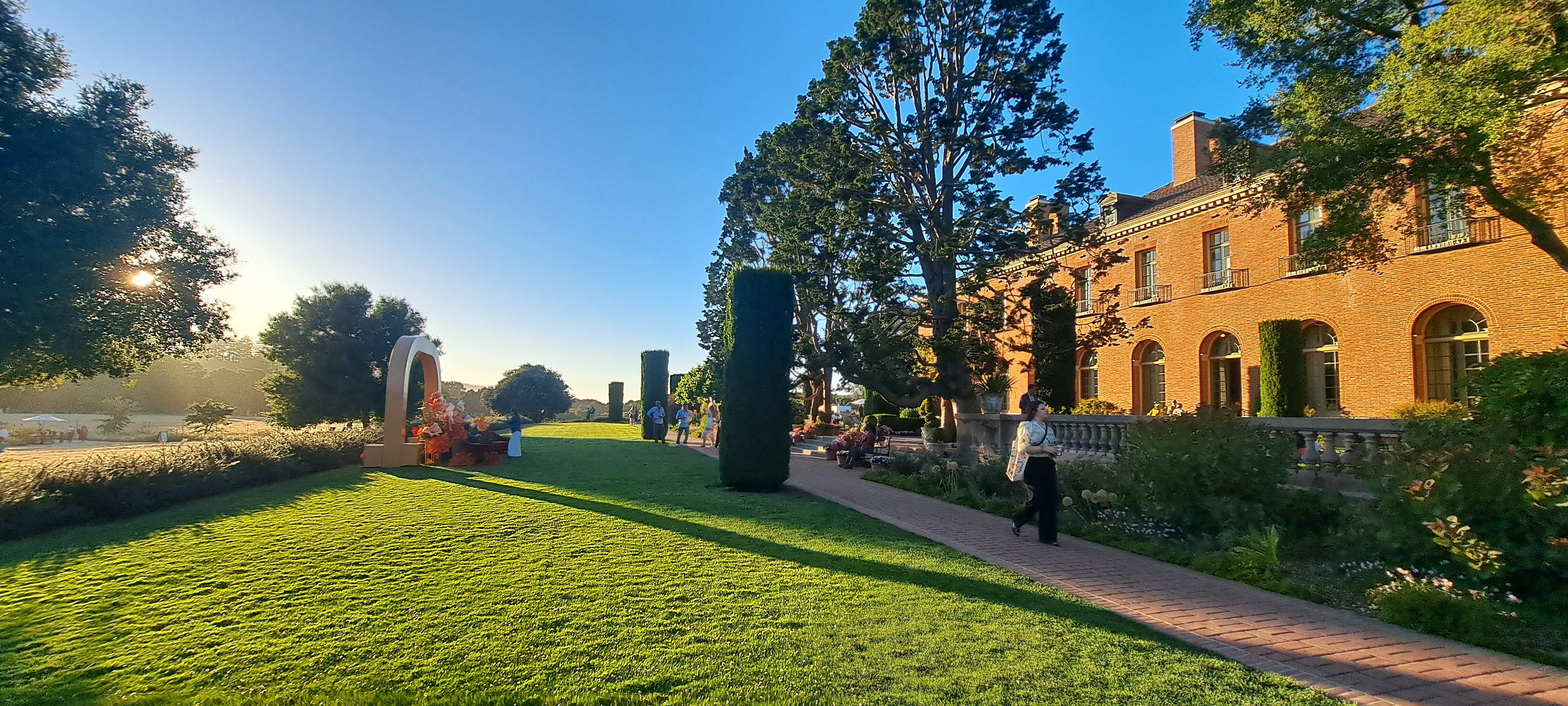
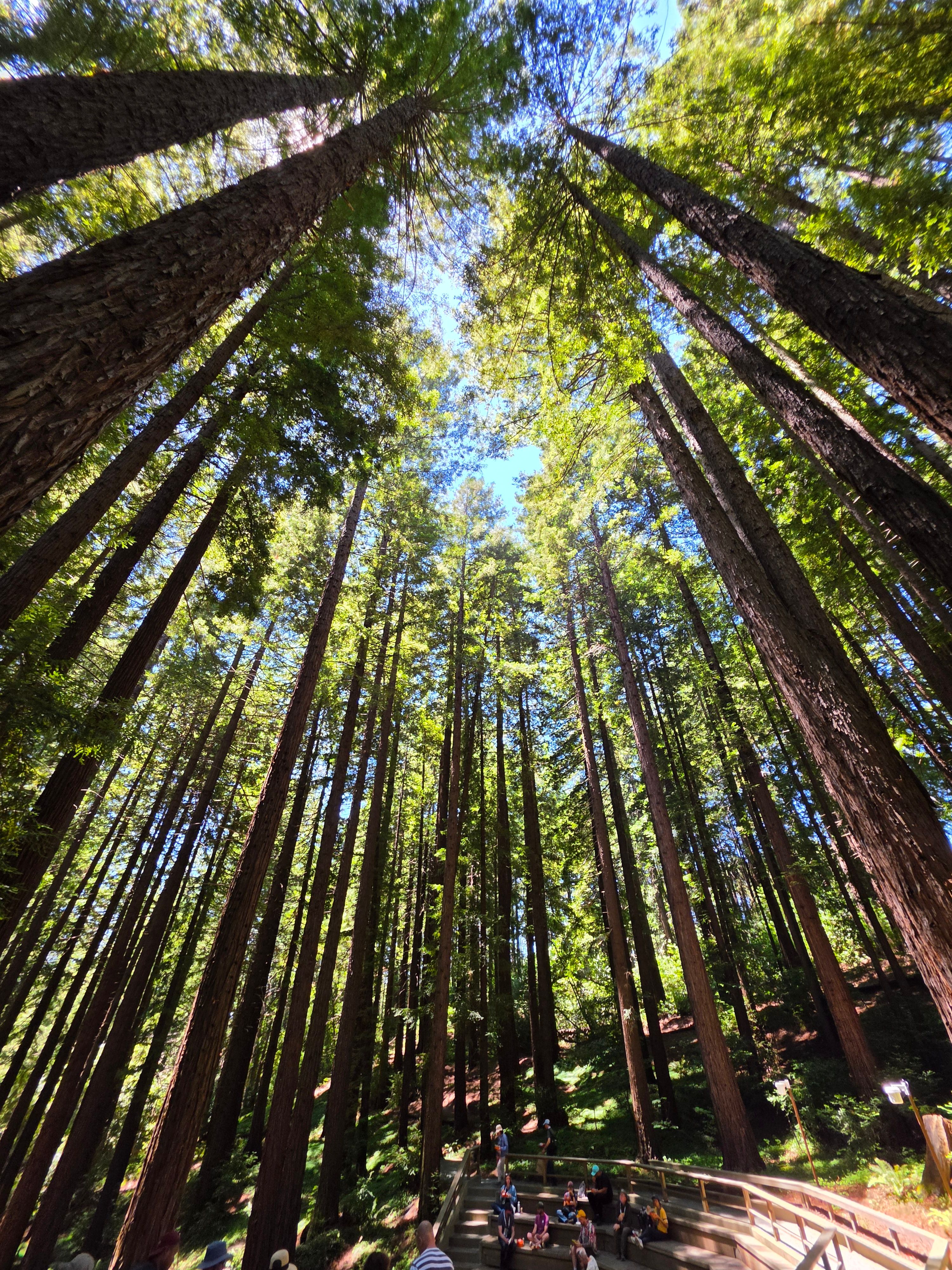
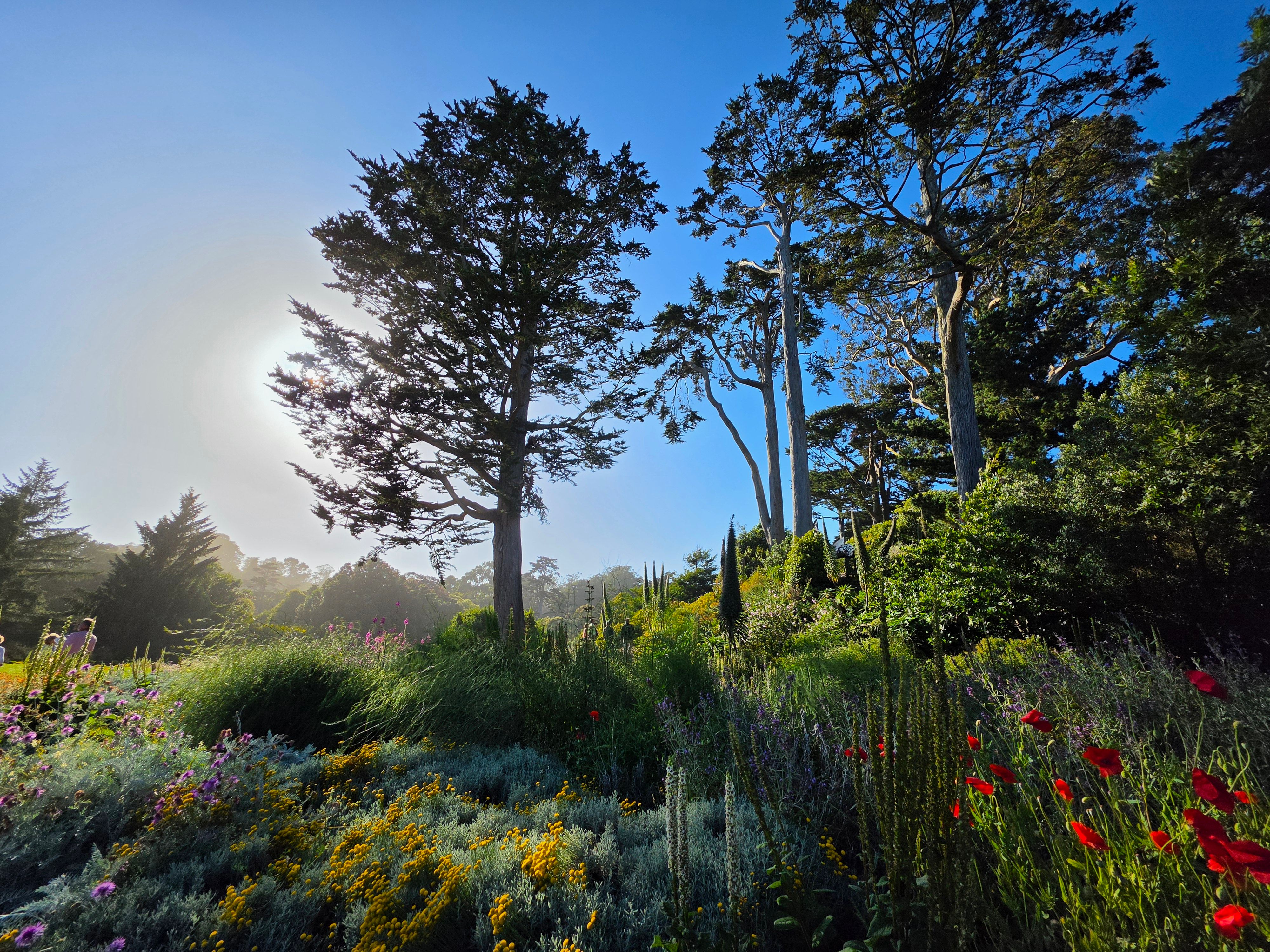
My travels to the US over the years are more or less decided by the APGA, and every year I get to see gardens I have long wanted to visit. We have added some photos at the end that barely capture these truly amazing botanical jewels, and rather than attempt to be eloquent about the experience, I have included some brief highlights below.
On Monday, we visited UC Davis Arboretum, which was truly spectacular. We were wonderfully looked after by Emily Griswold, her colleagues.
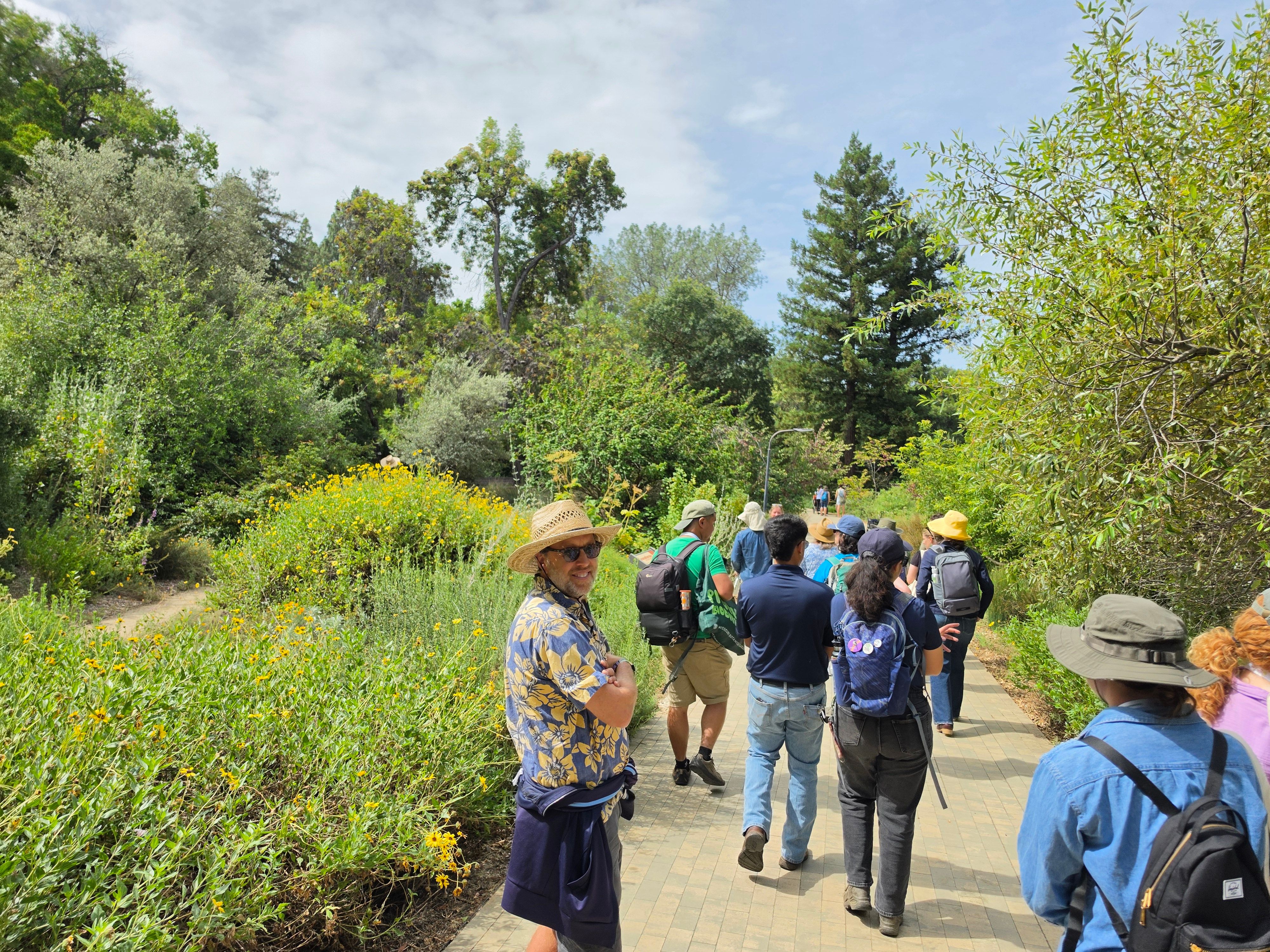
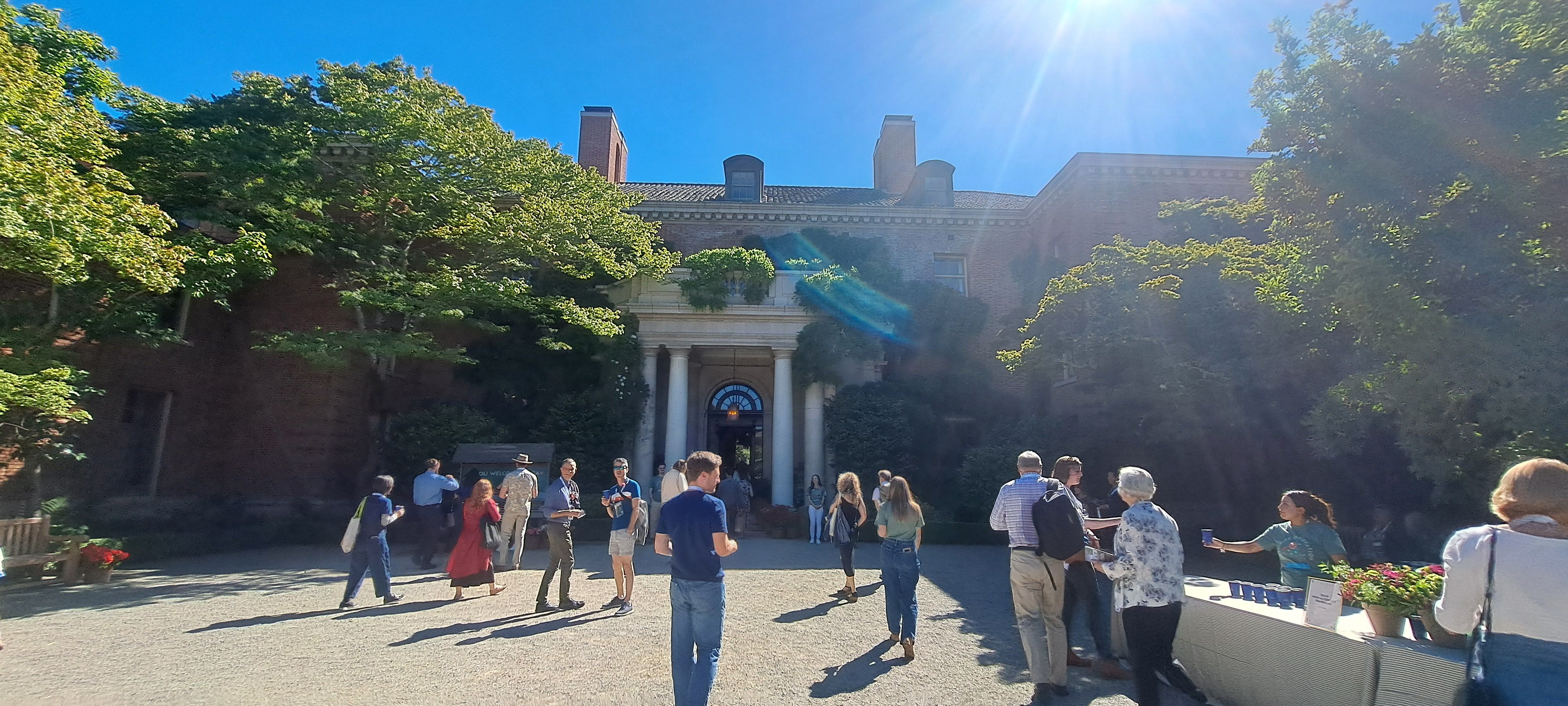
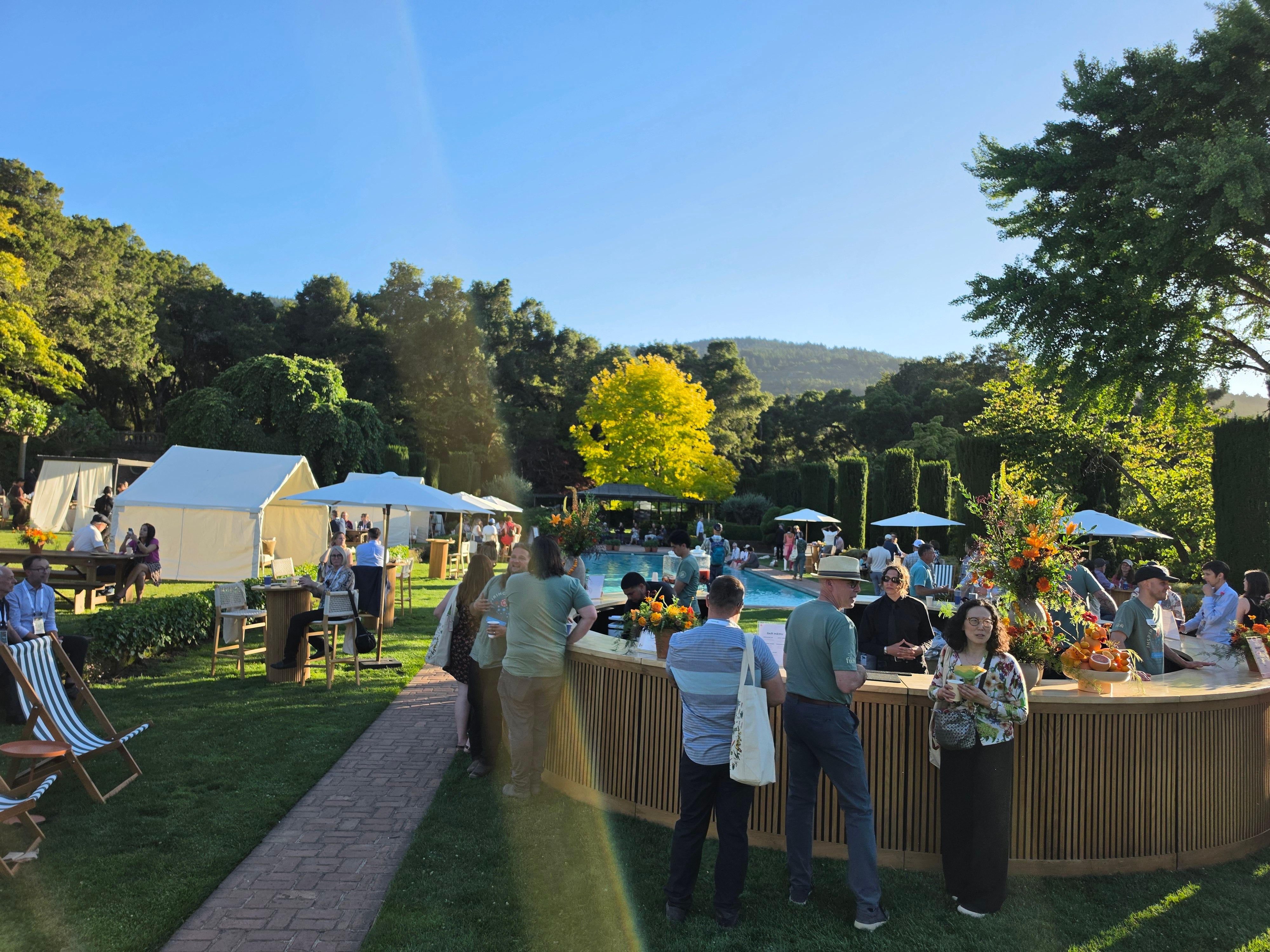
On Wednesday evening, a large number of conference attendees travelled to Filoli, a truly mesmerising space.
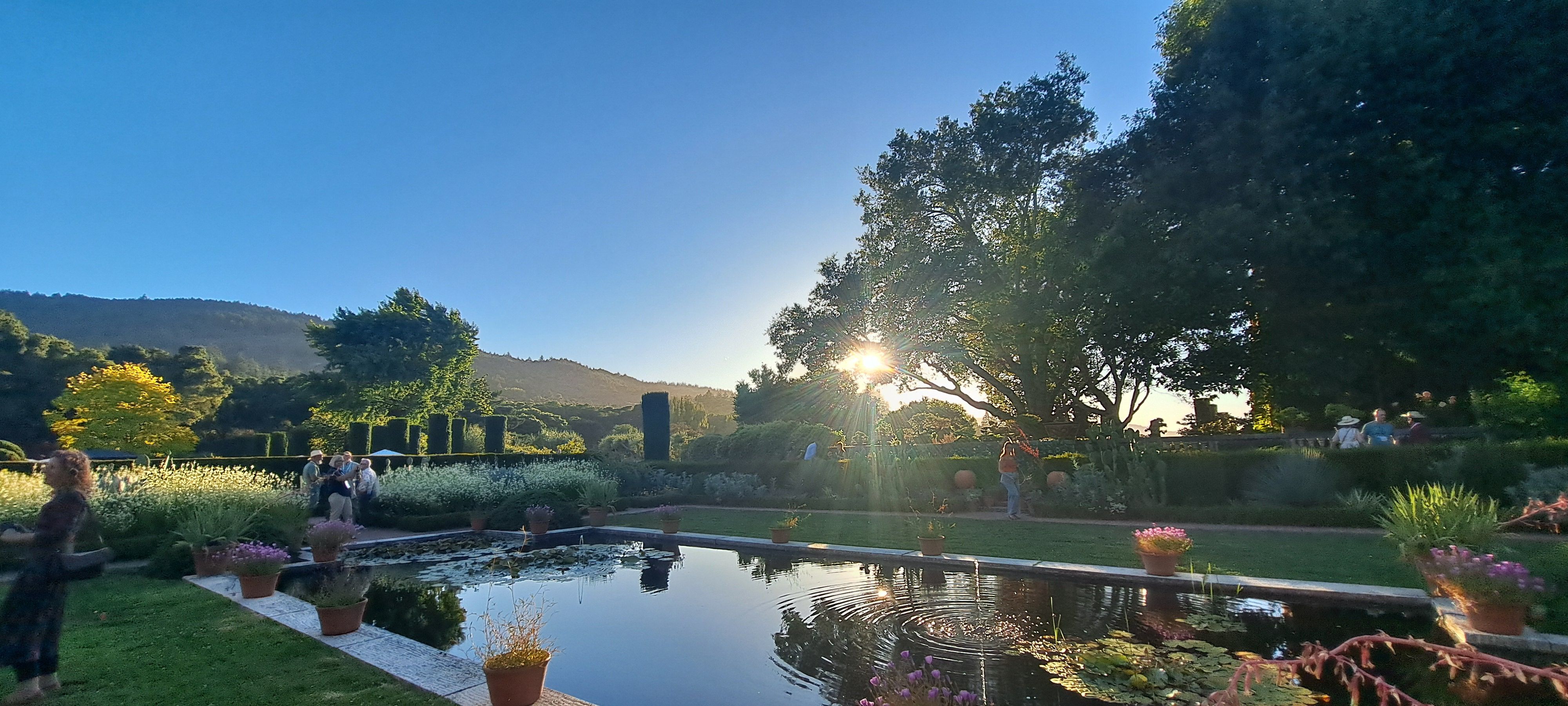
On Thursday, we were treated to another wonderful evening in California, this time at San Francisco Botanic Garden.
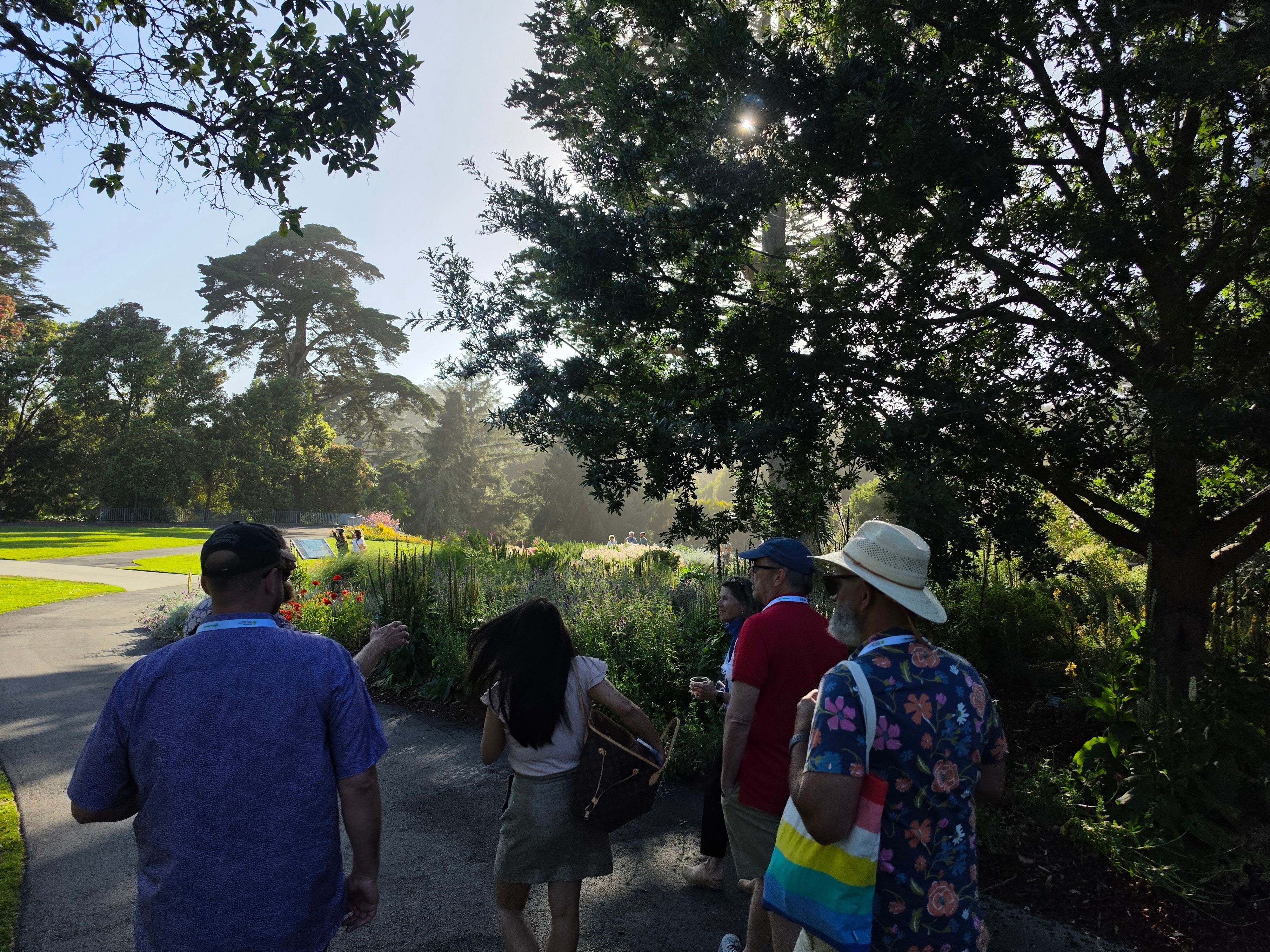
On Friday, I was fortunate enough to join a post-conference tour to three more special gardens, all of which I highly recommend. The Ruth Bancroft Garden was a revelation, an arid planting bonanza of the finest order.
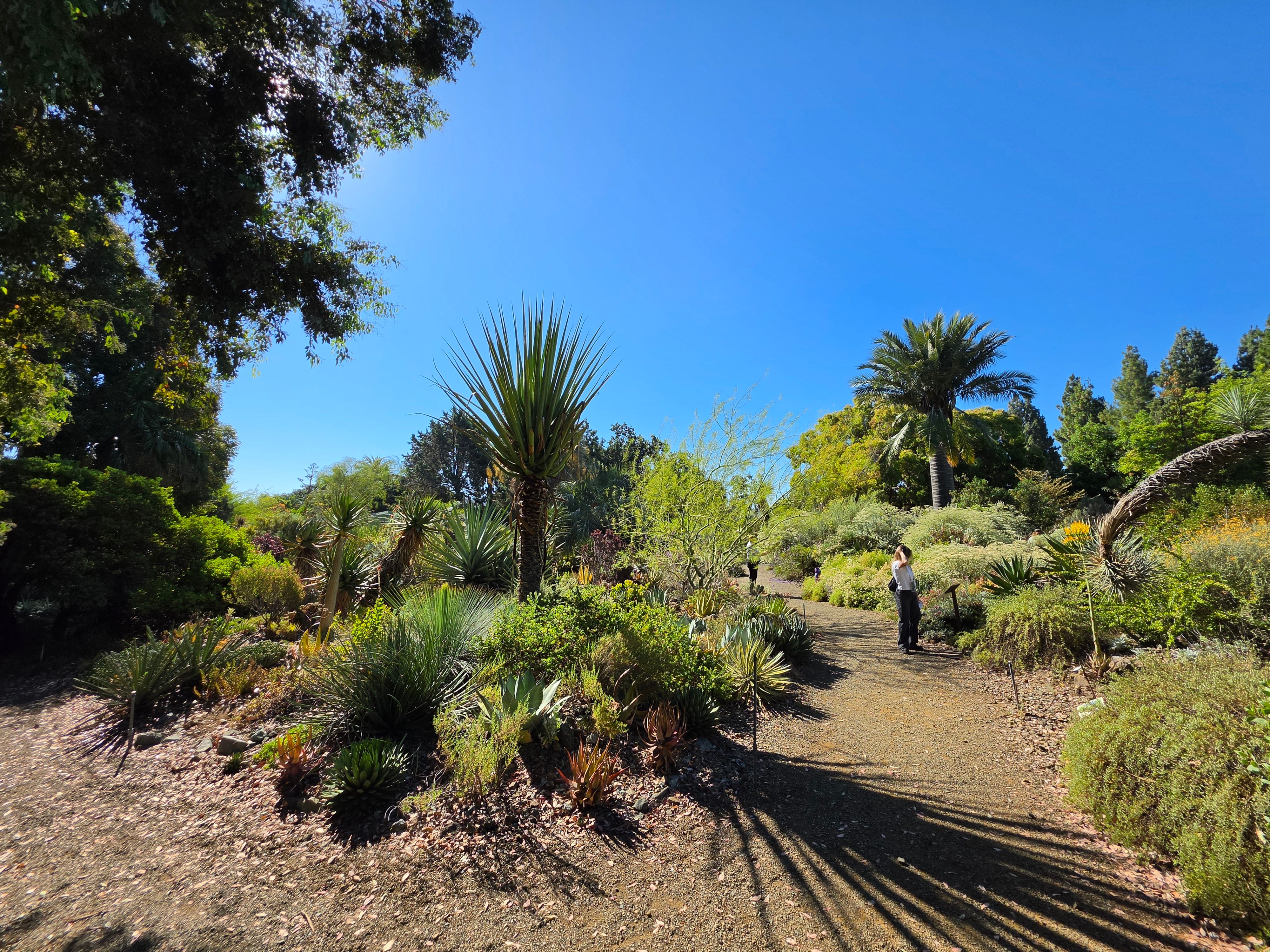
UC Berkeley Botanical Garden feels unique in so many ways: its scientifically focused collection is a marvel of diversity, and the topography creates a wonderful variety of microclimates and points of interest.
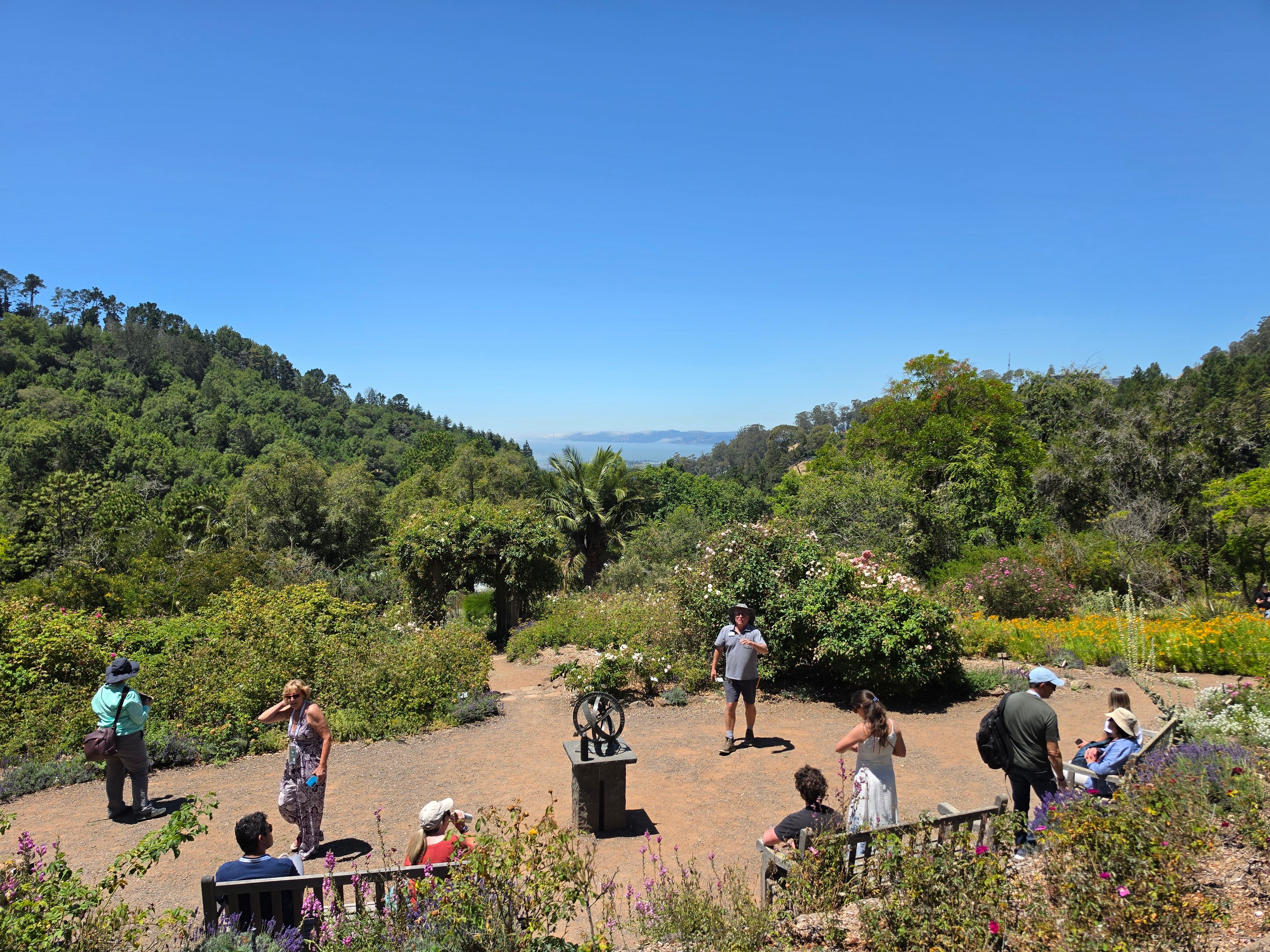
The final stop was the Regional Parks Botanic Garden, with its focus on California's native flora and over 700 rare and endangered species.
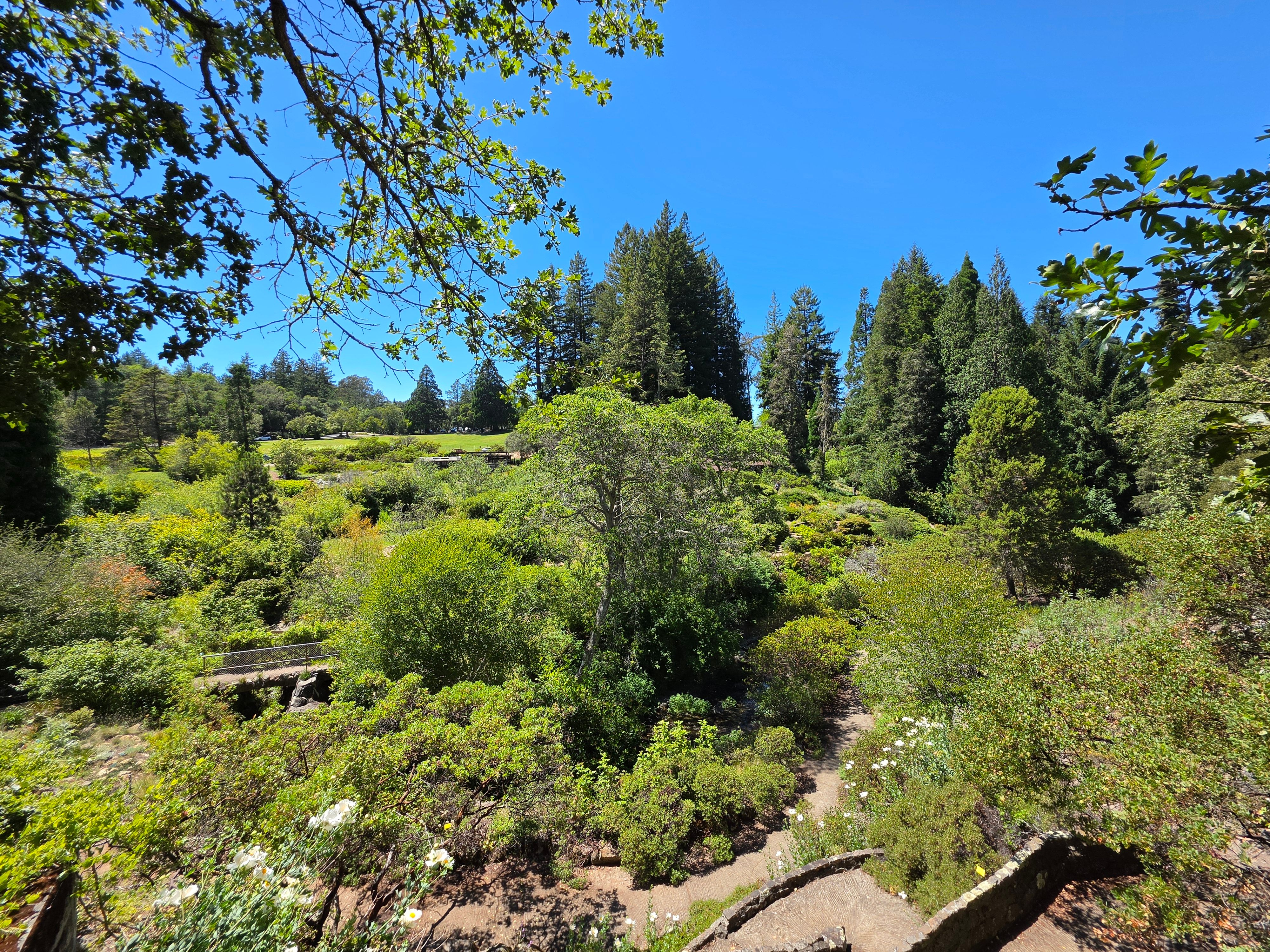
A huge thanks to Michelle Provaznik (CEO), Pam Allenstein, Aaron Sharp, and everyone else on the APGA team for looking after us and making this such a memorable experience.
Thanks for Visiting Our Booth
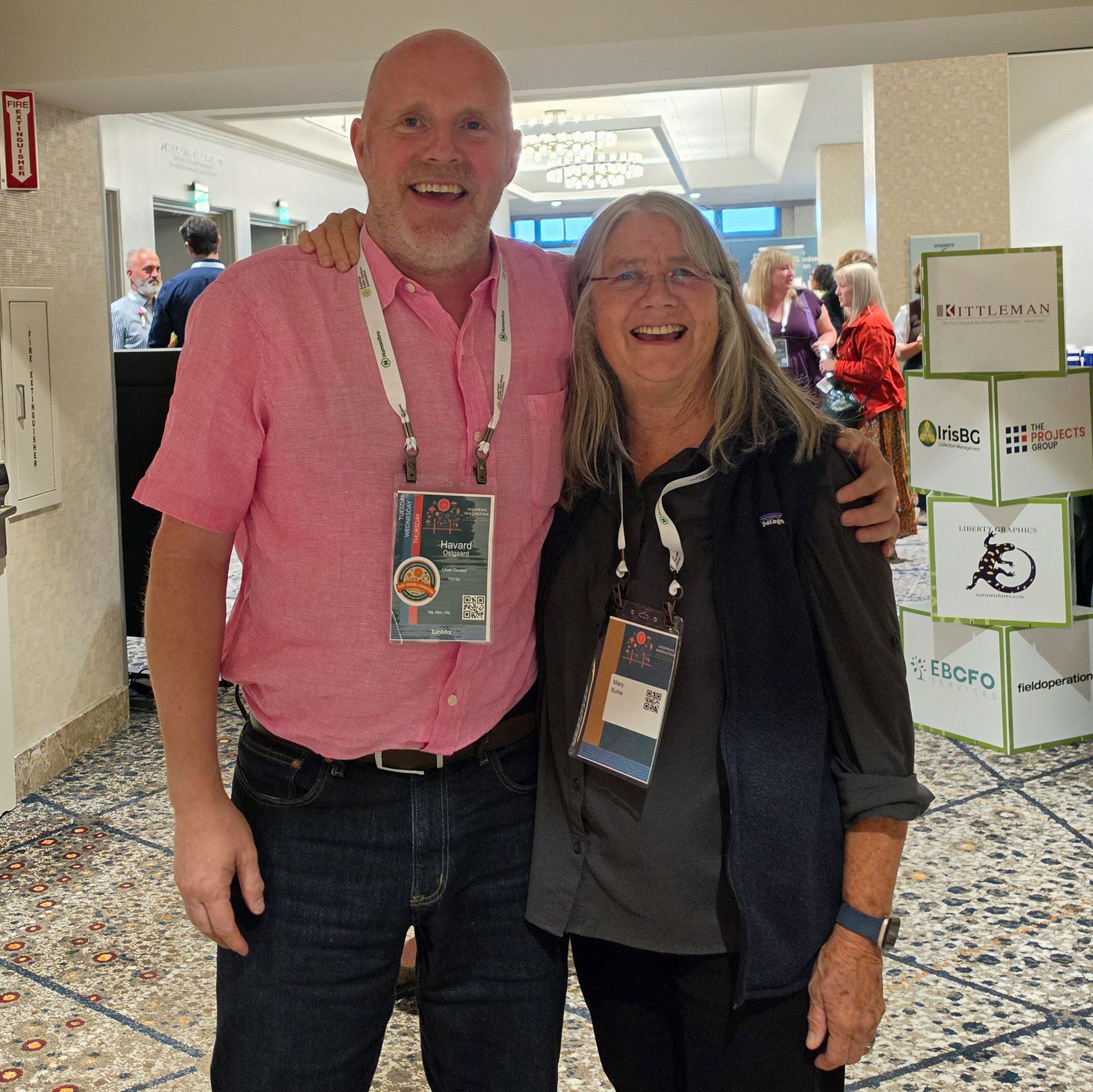
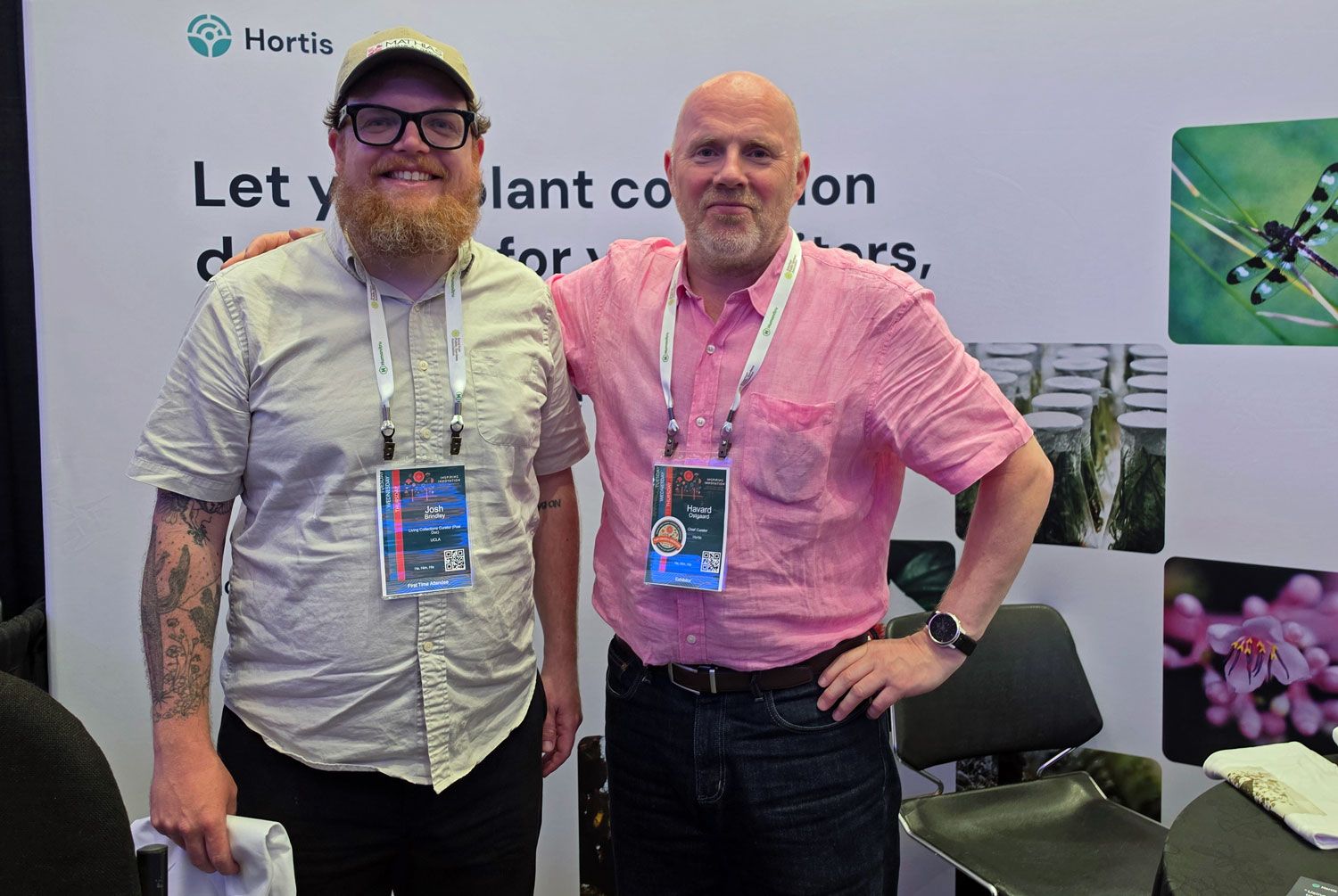
We would also like to thank everyone who stopped by our booth. It was wonderful catching up with so many familiar faces and meeting some of you for the first time. A particular mention to Josh Brindley, Living Collections Curator Post Doc at UCLA Mathias Botanical Garden, also the author of our June Garden of the Month article. 🥳
Our new T-shirt this year, commemorating the Mexican-American botanist Ynés Enriquetta Julietta Mexía, was very well received.
A City of Contrasts
Being so close to the epicentre of technological innovation, San Francisco offered its own quiet sense of wonder. Travelling through the city by cable car out to the harbour, then returning autonomously in a Waymo cab, felt like a neat encapsulation of old and new existing side by side. The weather offered its own contrasts too, with the surprisingly cool winds and coastal fog of the Bay Area hovering around 20°C (68°F), giving way to temperatures pushing 30°C (90°F) just an hour inland.